




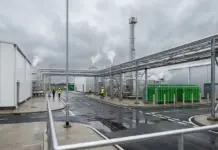


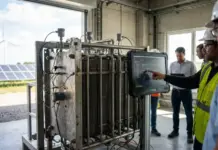




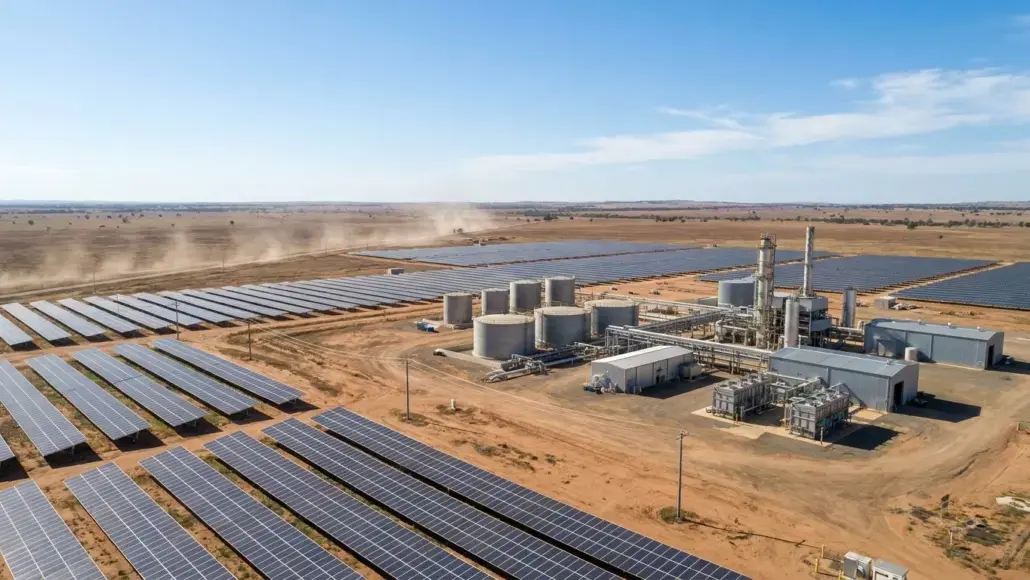

Global leader in smart PV and energy storage solutions, Trinasolar, has been awarded the contract to provide solar modules to the Good Earth Green Hydrogen and Ammonia – GEGHA project located close to Moree, New South Wales, Australia. It is well to be noted that GEGHA is the first green hydrogen and green ammonia plant in the state.
The 27MW solar farm of the project will utilize the 510W and 515W Vertex S+ (NEG18R.28) modules of Trinasolar. The modules employ n-type i-TOPCon technology and a heat-resistant dual-glass design for robustness, robustness to weather, and low degradation in long-term renewable energy usage.
Also, n-type i-TOPCon technology of Trinasolar addresses light-induced degradation so as to ensure consistent energy generation throughout the lifespan of the project. The modules can lead to long-term energy generation and low degradation, contributing to the reduction of life cycle expenses and the improvement of long-term project economics.
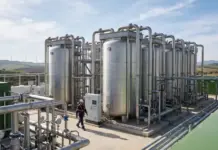
Construction is in progress and this first green hydrogen and green ammonia plant is anticipated to generate approximately 200 tonnes of green hydrogen per year and around 4,500 tonnes of low-carbon ammonia when completed. The project is intended to substitute imported fossil fuel-based fertilizers and promote emissions reduction in agriculture.
According to the Head of Australia and New Zealand, Trinasolar, Edison Zhou, “Projects like GEGHA demonstrate the important role solar plays in enabling emerging industries such as green hydrogen and low-carbon fertiliser production. By supplying high-performance Vertex S+ modules for the project’s solar farm, Trinasolar is helping provide the renewable energy foundation for green hydrogen and low-carbon ammonia production.”
As per Senior Project Manager of Hiringa Energy, Joe Cumming, “GEGHA is designed as a commercial pilot for decentralised hydrogen and fertiliser production that could be replicated across regional Australia. For a project intended to demonstrate a long-term regional model, reliable solar generation is critical. Trinasolar’s n-type dual-glass technology and experience in the Australian market were important considerations in selecting modules for the project’s solar farm.”