







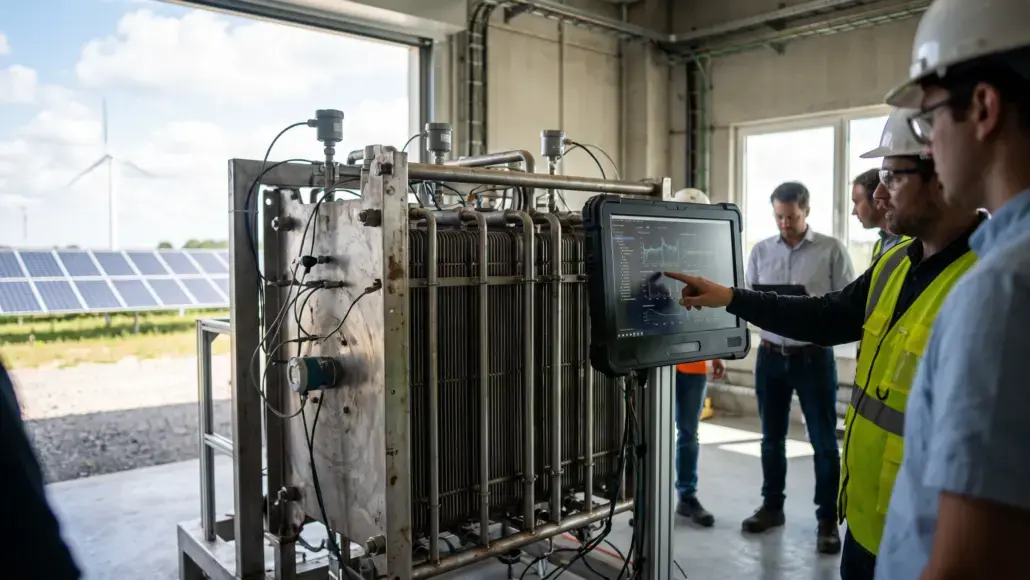

The quest for a sustainable energy future has placed green hydrogen at the forefront of global industrial strategy. However, the path to a hydrogen-powered world is paved with complex engineering challenges, primarily centered on the efficiency and durability of electrolyzer systems. As the world transitions toward renewable-driven energy grids, the variability of wind and solar power introduces a layer of unpredictability that traditional control systems struggle to manage. Enter artificial intelligence a transformative force that is fundamentally changing how we design, operate, and maintain the critical infrastructure of the hydrogen economy. By leveraging vast datasets and sophisticated algorithms, AI optimizing electrolyzer performance is becoming the linchpin of cost-competitive clean energy production, ensuring that every kilowatt of renewable electricity is utilized to its maximum potential.
The Evolution of Intelligent Control Systems in Electrolysis
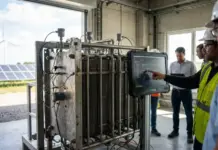
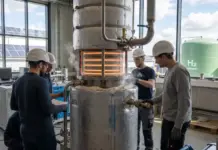
Traditionally, electrolyzer systems have operated using static control logic, where parameters like voltage, current, and pressure are set based on steady-state assumptions derived from laboratory testing. While effective for stable power sources, this approach is woefully inadequate for the dynamic nature of modern renewable energy. Artificial intelligence offers a dynamic alternative. Machine learning models, particularly those based on reinforcement learning, can process hundreds of sensory inputs in real-time including temperature fluctuations, gas purity levels, electrolyte concentration, and ambient humidity to adjust the operating setpoints of the electrolyzer stack instantaneously. This rapid responsiveness not only maximizes hydrogen output during peak solar or wind events but also protects the delicate components of the stack from the stresses associated with rapid power cycling and transient voltages.
The integration of AI starts at the very core of the electrolyzer: the electrochemical cell. By monitoring the voltage-current (V-I) curves across thousands of individual cells, AI systems can identify subtle patterns that indicate the onset of degradation, such as catalyst leaching or membrane thinning. Using Convolutional Neural Networks (CNNs) to analyze thermal imaging data from the stack, AI can detect localized hot spots before they lead to catastrophic failure. These insights allow for micro-adjustments in the power distribution across the stack, effectively “balancing” the load to extend the lifespan of the most vulnerable components. This level of granular control was previously impossible with manual or basic automated systems, marking a significant leap forward in the operational maturity of green hydrogen plants.
Digital Twins: Creating a Virtual Mirror of Hydrogen Assets
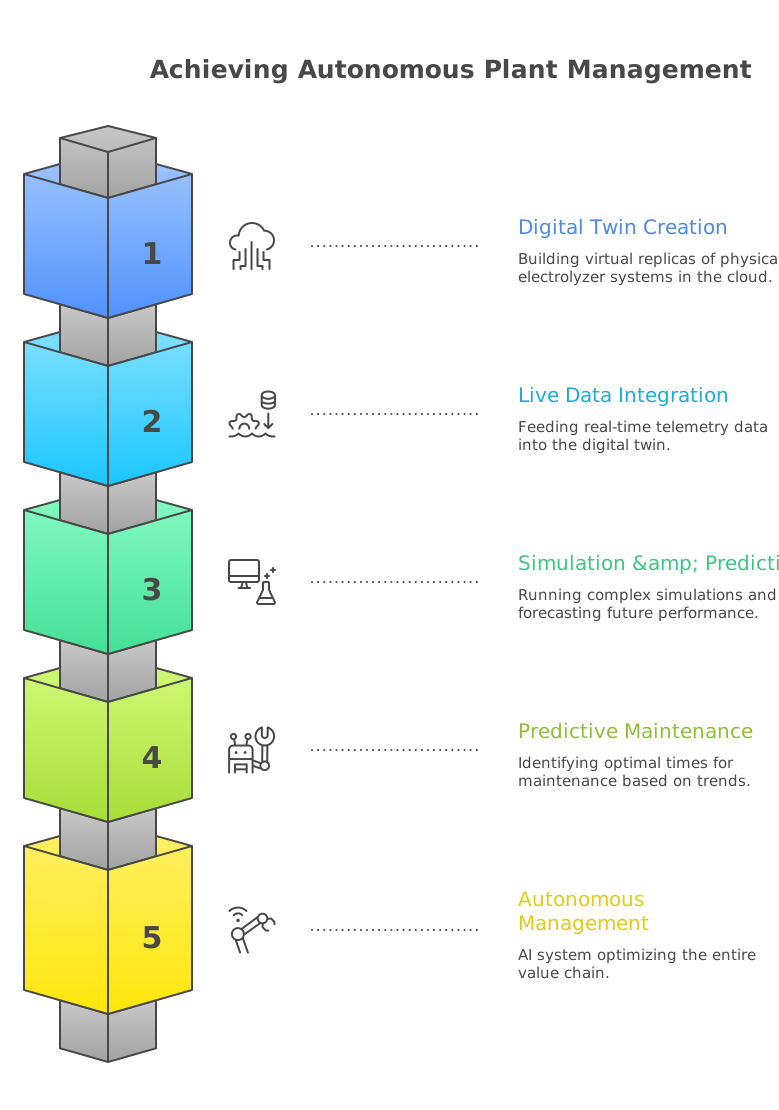
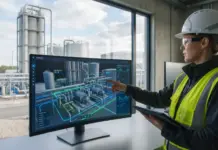
One of the most powerful applications of AI in this sector is the creation of digital twins virtual replicas of physical electrolyzer systems that exist in a cloud-based environment. These digital twins are fed with live telemetry data from the real-world plant, allowing operators to run complex simulations and “what-if” scenarios without any risk to the physical hardware. Through a digital twin, an operator can predict how a sudden surge in wind power will affect the thermal gradient of an electrolyzer stack or determine the optimal time to perform a membrane wash based on current efficiency trends.
Digital twins do more than just mirror the present; they provide a window into the future of the asset. By applying deep learning algorithms, such as Long Short-Term Memory (LSTM) networks, to historical performance data, these virtual models can forecast how a particular stack will age over the next five to ten years under different operating regimes. This predictive capability is invaluable for project developers and financiers, as it provides a higher degree of certainty regarding the long-term yield and maintenance costs of a hydrogen facility. As more data is gathered from gigawatt-scale projects, these digital twins will become increasingly accurate, eventually allowing for fully autonomous plant management where the AI system optimizes the entire value chain from electricity procurement to high-pressure hydrogen delivery.
Predictive Maintenance and the End of Costly Downtime
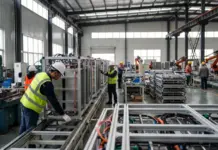
In the industrial world, unscheduled downtime is the enemy of profitability. For a green hydrogen plant, a sudden failure in a power electronics module or a leak in a gas-liquid separator can result in thousands of dollars in lost revenue and potential damage to the electrolyzer stack. AI-driven predictive maintenance replaces the traditional “run-to-fail” or “fixed-interval” maintenance strategies with a data-driven approach. By analyzing vibration data from pumps, acoustic signatures from valves, and the chemical compositions of the electrolyte, AI can detect the earliest signs of component wear long before a failure occurs.
This proactive stance allows maintenance teams to schedule repairs during periods of low renewable energy availability or scheduled grid maintenance, ensuring that the plant is always ready to operate during peak production windows. Furthermore, AI can assist in root-cause analysis by correlating disparate data points such as a slight increase in stack temperature with a minor fluctuation in water conductivity helping engineers understand why a specific component failed and suggesting design improvements for future iterations. This continuous feedback loop between operations and engineering is accelerating the technological evolution of electrolyzers, leading to more robust and reliable systems that can operate for decades in demanding industrial environments.
Grid Integration and the Optimization of Intermittent Power
The primary challenge of green hydrogen production is the mismatch between the supply of renewable energy and the demand for industrial gas. Hydrogen electrolyzers must act as flexible loads, ramping up and down to help stabilize the electrical grid. AI plays a crucial role in this balancing act. By integrating with weather forecasting models and electricity market data, AI systems can optimize the production schedule of a hydrogen plant to coincide with periods of low electricity prices or excess renewable generation. This is often referred to as “sector coupling,” where the hydrogen facility acts as a giant battery for the grid.
This “grid-aware” operation transforms the electrolyzer from a simple consumer into a valuable grid asset. In some jurisdictions, hydrogen producers can receive payments for providing demand-response services or frequency regulation, significantly improving the project’s bottom line. AI-driven optimization ensures that these maneuvers are performed within the safe operating limits of the electrolyzer stack, preventing the accelerated degradation that can occur when a system is cycled too aggressively. The AI orchestrates the entire Balance of Plant (BOP), including the cooling systems, compressors, and purifiers, to ensure they operate at peak efficiency even as the stack ramps up or down.
Accelerating Material Discovery through AI and Informatics
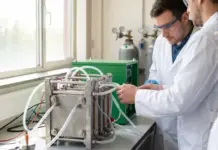
Beyond the operational phase, artificial intelligence is also revolutionizing the research and development of next-generation electrolyzer materials. The search for more efficient catalysts, durable membranes, and corrosion-resistant coatings involves testing millions of potential chemical combinations. Traditional “trial-and-error” experimentation is slow and prohibitively expensive. AI-powered materials informatics can screen thousands of candidates in a virtual environment, identifying the most promising materials based on their atomic structure and predicted electrochemical properties.
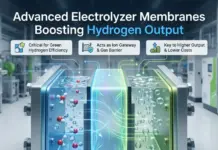
This computational approach has already led to the discovery of high-performance catalysts that use significantly less iridium and platinum, reducing the cost and environmental impact of PEM electrolyzers. Researchers are now using Generative Adversarial Networks (GANs) to design new electrode microstructures that maximize surface area while minimizing gas transport resistance. As AI models become more sophisticated, they will be able to design entirely new material architectures from the ground up, tailored to the specific operating conditions of high-pressure or high-temperature systems. This synergy between AI and material science is shortening the innovation cycle from decades to years, ensuring that the technology needed for a net-zero future is available when we need it most.
The Future of the Autonomous Hydrogen Plant
As we move toward 2030, the concept of the “Autonomous Hydrogen Plant” is moving from vision to reality. In these facilities, AI will not just optimize a single electrolyzer stack but will manage a fleet of systems across multiple locations. This “fleet-wide” optimization allows for better management of spare parts, shared learning across different geographical sites, and more efficient integration with global hydrogen trading platforms. The AI will monitor global market prices for ammonia, methanol, and gaseous hydrogen, automatically shifting the plant’s output to the most profitable product in real-time.
Security is also a major focus of AI integration. As hydrogen plants become more digitally connected, they also become potential targets for cyber-attacks. AI-driven anomaly detection systems can monitor network traffic and control system commands to identify and block unauthorized access or malicious activities. This layer of digital defense is essential for protecting the critical infrastructure of the new energy economy. By ensuring both the physical and digital resilience of hydrogen assets, AI is providing the stability needed to attract trillions of dollars in global investment.