























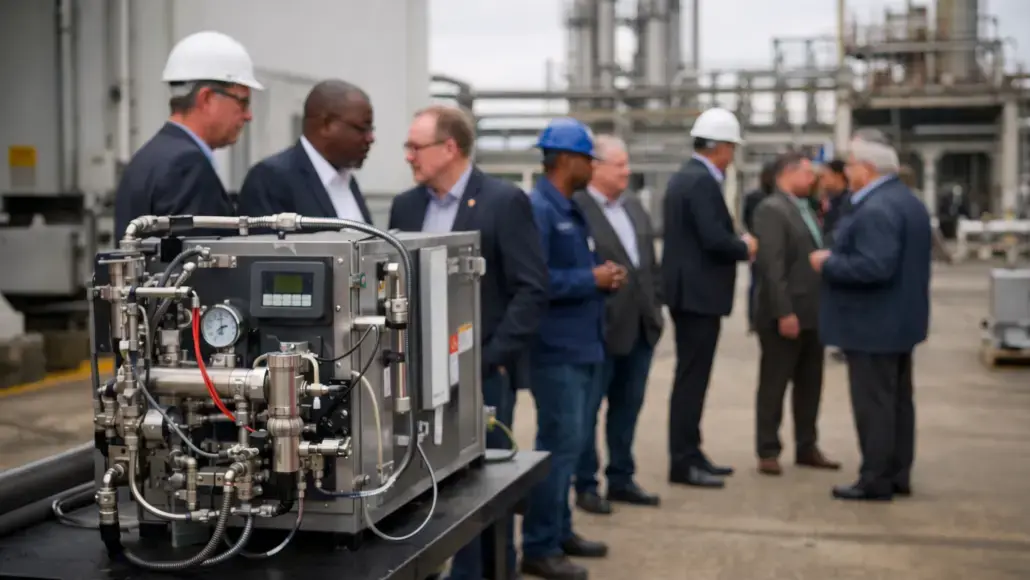

Ms Lusizo Makhubela, the Chairperson of the Portfolio Committee on Science, Technology and Innovation, highlighted the official launch of the 2kW PEM electrolyser on July 31, 2026 in Sasolburg as a significant turning point in South Africa’s journey toward establishing a globally competitive, knowledge-driven economy.
The collaboration between the Department of Science, Technology and Innovation, Sasol, the South African National Energy Development Institute as well as the HySA Infrastructure Centre of Competence at North-West University, is a demonstration of what can be accomplished when government, academia, and industry team up in pursuit of a common national vision, she said.
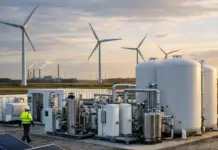
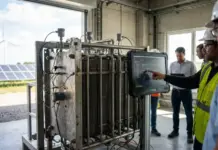
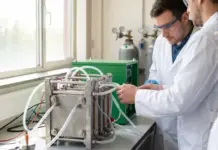
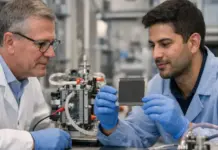
The 2kW PEM electrolyser was launched at the Sasol One Site in Sasolburg, South Africa.
The electrolyser launch is more than just a technological feat, Ms Makhubela said. As per her, it is evidence of South Africa’s increasing potential to innovate home-grown technologies, develop local innovation systems and cement their country as a pioneer in the growing hydrogen economy.
She further opines that the committee has always asked for greater investments in research and innovation along with technology commercialisation. Scientific discoveries, as per her, should not remain limited to laboratories, and they must be transformed into practical solutions that generate jobs, bolster industries and enhance the standard of life of South Africans.
It is well to be noted that hydrogen technologies offer a strategic chance for South Africa. Ms Makhubela says that they have world-class scientific expertise in the country, plentiful renewable energy resources and substantial platinum group metal reserves, putting them in an advantageous position to establish themselves as a global leader when it comes to green hydrogen technologies as well as fuel cell innovation.
Projects like this electrolyser help develop local technical capabilities, promote industrial localization, develop essential abilities, and create fresh opportunities for entrepreneurs, researchers as well as aspiring scientists. They also reaffirm their commitment to a just energy transition, led by innovation, sustainable development, and inclusive economic expansion.
Ms Makhubele said the committee welcomed this partnership, as it symbolises the National System of Innovation at its finest – integrating together public institutions, higher education along with the private sector to address national challenges and open up future economic possibilities.
The launch also emphasized the necessity for consistent public investment in research and development. The intellectual property associated with the facility was developed via public funding, and it is an illustration of how government investment, paired with solid collaboration between universities, public research establishments as well as industry can create technologies that have genuine commercial and societal value.
Ms Makhubela remarked that the parliament remained devoted to offering supervision to strengthen funding for science, technology and innovation. The committee would keep working to advocate for policies and programmes that promote excellence in research, facilitate technology transfer and guarantee that innovation yields tangible advantages for all South Africans.
Notably, she congratulated the department, Sasol, North-West University, and the South African National Energy Development Institute, as well as all the scientists, engineers, researchers, and technicians whose dedication had made this accomplishment possible. This is far more than a scientific feat, the official debut of this locally developed PEM electrolyser. This work shows that South Africa has the capacity, the ability and the will to develop internationally competitive technologies and to stand out at the highest standards of scientific and technological innovation.
Makhubela concluded that she calls upon all the role-players to keep striving to invest within innovation, establish alliances, and develop a future where science and technology promote inclusive growth, industrial development and mutually beneficial prosperity.