




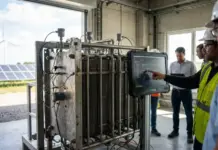
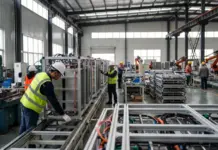
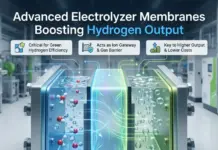
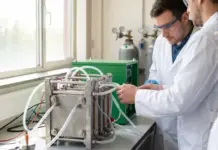


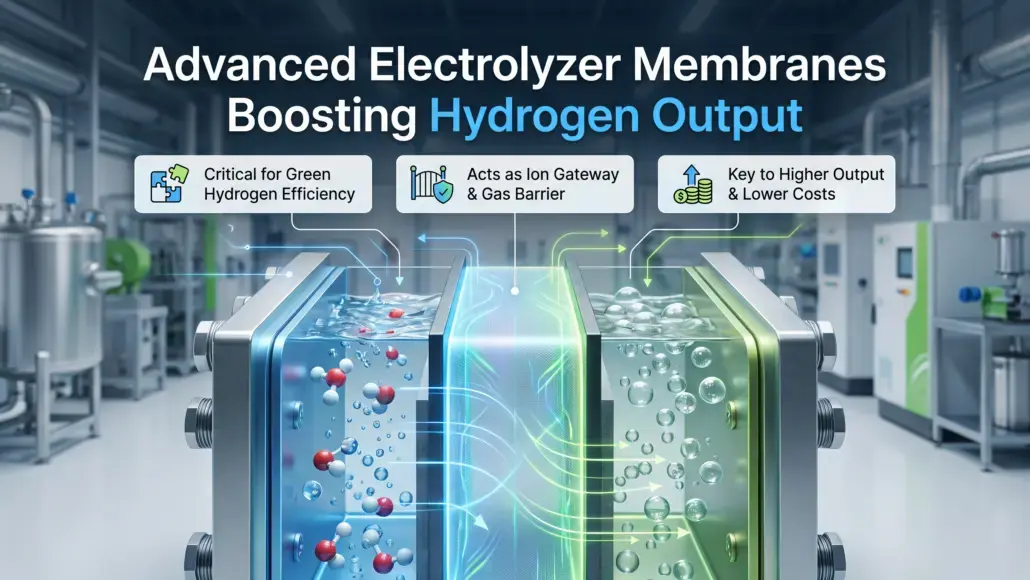

The efficiency of green hydrogen production is a complex puzzle with many pieces, but none are more critical than the thin, polymer film that separates the two halves of an electrolyzer cell. These advanced electrolyzer membranes are the unsung heroes of the energy transition, acting as both a gateway for ions and a barrier for gases. As the world pushes for higher hydrogen output and lower costs, the performance of these membranes has become the primary focus of researchers and industrial manufacturers alike. A membrane that is just a few microns thinner or slightly more conductive can translate into megawatts of additional energy savings at the plant scale. By pushing the boundaries of material science, the industry is developing a new generation of membranes that are more durable, more efficient, and more environmentally sustainable than ever before.
The Dual Role of Membranes in Electrochemical Water Splitting
To understand the importance of advanced electrolyzer membranes, one must first look at their dual function within the electrolyzer stack. On one hand, the membrane must be a highly efficient conductor of ions protons (H+) in Proton Exchange Membrane (PEM) systems or hydroxide ions (OH-) in Anion Exchange Membrane (AEM) and alkaline systems. This ion transport is the heart of the electrochemical reaction the faster the ions can move through the membrane, the higher the current density the system can handle. This transport typically occurs via two mechanisms: the Grotthuss mechanism (where ions “hop” along a chain of water molecules) and the vehicular mechanism (where ions are carried by water molecules moving through the polymer matrix).
On the other hand, the membrane must be an absolute barrier to the product gases: hydrogen and oxygen. Gas crossover the unintended migration of hydrogen into the oxygen stream or vice versa is a significant safety and efficiency concern. It not only leads to the loss of valuable product but can also create potentially explosive gas mixtures if not strictly controlled. Advanced membranes are engineered with complex molecular structures that provide a tortuous path for gases while maintaining wide, highly hydrated channels for ions. Balancing these two contradictory requirements high ion conductivity (associated with high water content) and low gas permeability is the central challenge of membrane engineering.
Innovations in Polymer Chemistry: Moving Beyond Traditional PFSA
For decades, the industry standard for PEM systems has been perfluorosulfonic acid (PFSA) polymers, most notably the Nafion family. These materials are incredibly durable and highly conductive due to their unique phase-separated structure, but they have several drawbacks. They are expensive to manufacture, and because they contain fluorine, they are subject to increasing regulatory scrutiny regarding “forever chemicals” or PFAS. This has led to a massive research effort to develop advanced electrolyzer membranes that are PFAS-free, utilizing hydrocarbon-based polymers or other sustainable alternatives.
These new hydrocarbon membranes, such as those based on sulfonated poly(phenylene sulfone) (sPPS) or sulfonated poly(ether ether ketone) (SPEEK), offer several potential advantages. They are typically less expensive to produce and can be engineered to have a higher ion exchange capacity (IEC) than traditional fluorinated materials. IEC is a measure of the number of active sites available for ion transport per unit mass of the polymer. By increasing the IEC, researchers can achieve high conductivity even in membranes that are significantly thinner than historical standards. Furthermore, these hydrocarbon films can be engineered to have lower gas permeability, further improving the safety and efficiency of the electrolyzer stack.
Mechanical Reinforcement and the Quest for Thinner Membranes
In the world of electrolysis, thinner is almost always better from an efficiency standpoint. A thinner membrane has less internal (ohmic) resistance, which means less energy is wasted as heat during operation. However, as membranes get thinner, they become more fragile and more prone to mechanical failure or gas crossover. To overcome this, advanced electrolyzer membranes often incorporate a reinforcement layer, such as a porous expanded PTFE (ePTFE) mesh or a specialized woven fabric made from high-strength engineering plastics. This reinforcement acts like the rebar in a concrete slab, providing structural integrity while allowing the active polymer to fill the pores and conduct ions.
The development of these reinforced composite membranes has allowed manufacturers to reduce membrane thickness from over two hundred microns down to less than thirty or forty microns in some advanced applications. This reduction in thickness has a direct and measurable impact on hydrogen output. By lowering the ohmic resistance of the cell, thinner membranes allow the electrolyzer to operate at higher voltages and current densities (up to 2-3 A/cm²) without overheating. This efficiency gain is critical for large-scale facilities where even a one percent improvement in energy conversion can lead to millions of dollars in operational savings over the life of the project.
Enhancing Durability through Radical Scavengers and Additives
One of the most significant challenges to membrane longevity is chemical degradation caused by the formation of radical species, such as hydroxyl and hydroperoxyl radicals. These radicals are formed as byproducts of the electrochemical reaction and can attack the polymer backbone, leading to membrane thinning and eventual failure. To mitigate this, advanced electrolyzer membranes are now being functionalized with radical scavengers, such as cerium or manganese oxides. These additives act as “chemical armor,” neutralizing the radicals before they can damage the membrane.
This chemical stabilization is essential for ensuring that the electrolyzer can operate for several years without the need for stack replacement. Furthermore, the integration of these scavengers allows the membrane to operate at higher temperatures, which further improves the kinetics of the water-splitting reaction and increases hydrogen output. By ensuring that the membrane remains intact and performant over tens of thousands of operating hours, these advancements are significantly lowering the maintenance costs and increasing the uptime of green hydrogen plants. The result is a more reliable and bankable asset for energy investors.
Operating under High-Pressure and Dynamic Loading
Modern green hydrogen plants are rarely static they must ramp up and down to match the variability of wind and solar power. This dynamic loading creates significant mechanical stress on the membrane as the pressure and temperature within the stack fluctuate. Advanced electrolyzer membranes are designed with high mechanical toughness and low swelling ratios to handle these conditions. Low swelling is particularly important, as it prevents the membrane from expanding and contracting excessively when it hydrates and dehydrates, which can lead to delamination from the electrodes or the formation of pinholes.
Operating at high pressure (often 30-50 bar) is another key requirement, as it allows the hydrogen to be fed directly into pipelines or storage tanks without additional mechanical compression. Membranes must be able to withstand these pressures while maintaining their gas barrier properties. Innovative “cross-linked” polymer designs are helping to address this, creating a three-dimensional network that is much more resistant to mechanical deformation than traditional linear polymers. These advanced designs ensure that the membrane remains a robust and reliable component of the electrolyzer system, even under the most demanding industrial operating regimes.
Future Horizons: The Role of AI in Membrane Design
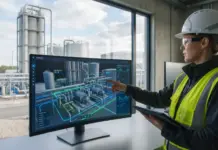
As we look toward the future, the design of advanced electrolyzer membranes will increasingly be driven by artificial intelligence and machine learning. Molecular dynamics simulations can now predict how a particular polymer architecture will behave under different temperatures and pressures, allowing researchers to screen thousands of potential materials before a single one is synthesized in the lab. This “digital-first” approach to material science is accelerating the innovation cycle, bringing higher-performance membranes to market in a fraction of the time.
We can also expect to see the development of “smart” membranes that incorporate sensors to monitor their own health and performance in real-time. These membranes could provide early warning signs of degradation or gas crossover, allowing for even more precise predictive maintenance. By combining advanced chemistry with digital intelligence, the next generation of membranes will ensure that green hydrogen production is not only efficient but also incredibly resilient and safe.