


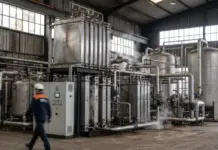
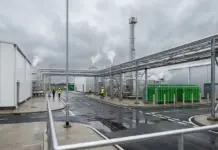


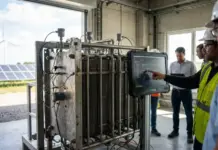
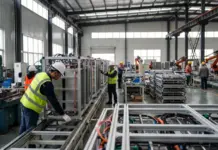
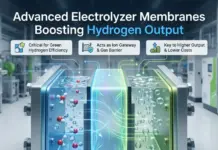
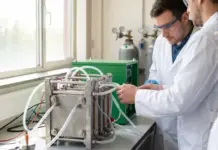



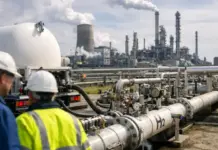
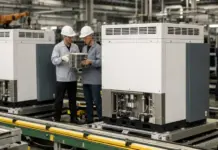
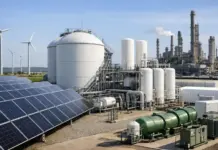
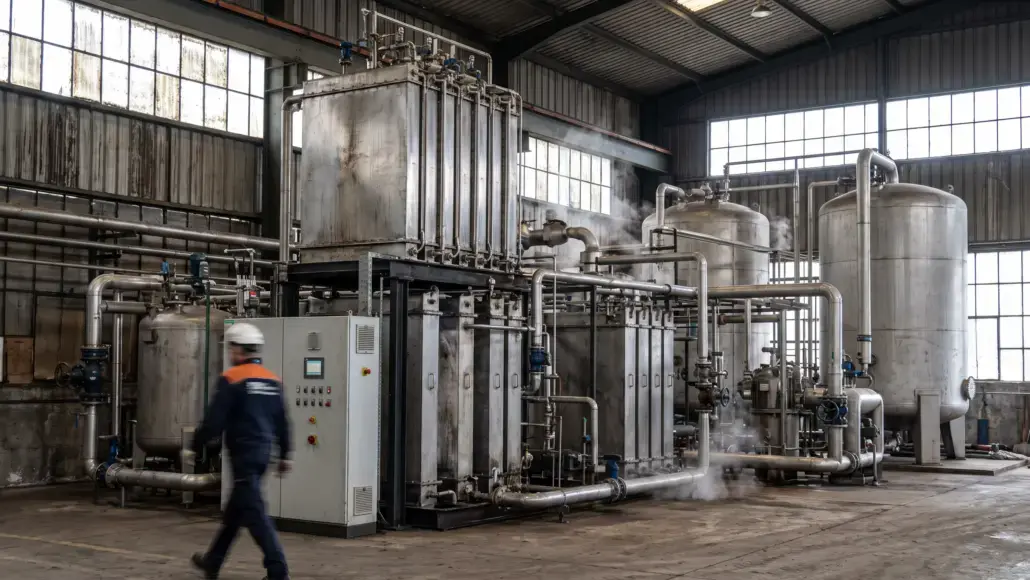

The transition to a carbon-neutral global economy hinges on the ability to decarbonize the world’s most energy-intensive industries. Sectors such as primary steel production, ammonia synthesis, and petroleum refining are currently responsible for a significant portion of global greenhouse gas emissions, largely due to their reliance on hydrogen produced from fossil fuels. While low-temperature electrolysis technologies have made significant strides, they often fall short of the specific high-capacity and high-efficiency requirements of heavy industry. Solid Oxide Electrolyzers (SOEC) have emerged as the premier solution for these “hard-to-abate” sectors. By operating at elevated temperatures and seamlessly integrating with existing industrial heat sources, these systems are redefining the boundaries of what is possible in green hydrogen production, offering a pathway to deep decarbonization that is both technically feasible and economically compelling.
The Industrial Logic of High-Temperature Steam Electrolysis
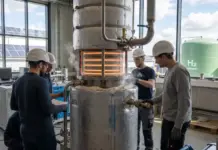
The fundamental advantage of Solid Oxide Electrolyzers lies in their operating principle. Unlike alkaline or proton exchange membrane (PEM) systems that split liquid water at relatively low temperatures, SOEC systems electrolyze steam at temperatures between seven hundred and nine hundred degrees Celsius. From a thermodynamic perspective, this is a game-changer. At these temperatures, a significant portion of the energy required to break the molecular bonds of water is supplied as heat rather than expensive electricity. This reduction in electrical demand allows SOEC systems to achieve efficiencies that can reach ninety percent or higher on a lower heating value basis, making them the most energy-efficient electrolysis technology available today.
For an industrial facility, this efficiency translates directly into lower operating costs. In large-scale operations where electricity can account for up to eighty percent of the total cost of hydrogen, a ten to twenty percent reduction in electrical consumption represents millions of dollars in annual savings. Furthermore, because these systems utilize ceramic electrolytes rather than liquid chemicals or rare earth membranes, they are inherently more robust and better suited for the continuous, high-output demands of industrial baseload production. The ability to produce hydrogen at the scale and cost required by heavy industry is the primary reason why SOEC is increasingly being viewed as the “industrial workhorse” of the hydrogen economy.
Synergistic Integration with Industrial Heat Sources
One of the most powerful arguments for the adoption of Solid Oxide Electrolyzers is their ability to create thermal synergy within an industrial complex. Many of the very processes that require hydrogen also generate vast amounts of high-grade waste heat. In a traditional setup, this heat is often lost to the environment. However, when paired with an SOEC system, this waste heat can be captured and used to generate the steam necessary for the electrolysis process. This creates a circular energy economy where the byproduct of one industrial reaction becomes the primary driver for another.
In the steel industry, for example, the heat generated from blast furnaces or electric arc furnaces is a perfect match for the thermal requirements of solid oxide electrolysis. The green hydrogen produced can then be fed back into the direct reduction of iron (DRI) process, replacing the carbon-intensive coking coal traditionally used. This level of integration doesn’t just reduce carbon emissions it optimizes the entire energy balance of the steel mill. Similar synergies exist in the chemical sector, where the heat from exothermic reactions in ammonia synthesis can be recycled to power the production of the hydrogen feedstock. This symbiotic relationship between production and process heat is a unique advantage of SOEC technology that low-temperature alternatives simply cannot replicate.
Advancements in Ceramic Material Science and Durability
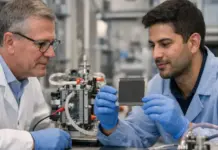
The core of the solid oxide electrolyzer is the ceramic cell, typically composed of an yttria-stabilized zirconia (YSZ) electrolyte and specialized electrodes. Historically, the high operating temperatures of these systems posed significant challenges for material durability and stack longevity. Thermal expansion mismatches between the ceramic and metallic components could lead to mechanical stresses and leaks over time. However, the last decade has seen a revolution in material science that has addressed these issues. Engineers have developed new ceramic-metal composites, or cermets, and advanced glass-ceramic sealants that are designed to withstand the rigors of high-temperature operation for tens of thousands of hours.
Moreover, innovations in electrode architecture have significantly improved the electrochemical performance of the cells. By optimizing the triple-phase boundary the area where the electrode, electrolyte, and gas phase meet researchers have managed to increase current densities and reduce internal resistance. This means that modern SOEC stacks can produce more hydrogen from a smaller footprint, further improving the capital efficiency of the system. The development of protective coatings for metallic interconnects has also mitigated the problem of chromium poisoning, which was once a major cause of degradation in high-temperature systems. These technological milestones have moved solid oxide electrolysis from a promising laboratory concept to a bankable industrial technology.
Economic Scaling and the Journey to Gigawatt Capacity
The transition of Solid Oxide Electrolyzers from pilot projects to gigawatt-scale industrial hubs is now well underway. While the initial capital expenditure for SOEC systems has historically been higher than for alkaline systems, the gap is closing rapidly. The manufacturing of ceramic cells is being revolutionized through automated processes such as tape casting and screen printing, which are similar to those used in the electronics and solar industries. As production volumes increase, the per-unit cost of SOEC stacks is falling, following a classic learning curve.
When evaluating the economics of industrial hydrogen, the “Levelized Cost of Hydrogen” (LCOH) is the most critical metric. Because of its superior efficiency and the ability to utilize low-cost industrial heat, SOEC often delivers a lower LCOH than its competitors, especially in high-electricity-price environments. Governments and private investors are recognizing this, with massive subsidies and investment funds being directed toward large-scale SOEC manufacturing and deployment. In Europe and Asia, several multi-hundred-megawatt projects are already in the engineering phases, aimed at replacing “grey” hydrogen in refineries and chemical plants. This scale-up is essential for achieving the price parity needed to make green hydrogen the default choice for global industry.
Versatility and the Potential for Co-Electrolysis
Another unique capability of Solid Oxide Electrolyzers that is gaining significant traction is co-electrolysis. Unlike other electrolysis technologies, SOEC systems can simultaneously electrolyze water (steam) and carbon dioxide to produce synthesis gas, or syngas a mixture of hydrogen and carbon monoxide. Syngas is the foundational building block for a wide variety of sustainable fuels and chemicals, including synthetic aviation fuel (SAF), green methanol, and carbon-neutral plastics.
This capability allows industrial facilities to not only produce green hydrogen but also to capture and repurpose their own carbon dioxide emissions. For example, a cement plant or a refinery could capture its CO2 flue gas and feed it into an SOEC unit alongside steam to produce the raw materials for carbon-neutral fuels. This transforms the electrolyzer from a simple hydrogen producer into a sophisticated carbon utilization tool. The flexibility of SOEC to switch between pure hydrogen production and co-electrolysis mode provides industrial operators with a versatile asset that can adapt to changing market demands and regulatory requirements. This multi-functional nature of the technology is a major differentiator in the increasingly complex landscape of the energy transition.
The Future of the Industrial Hydrogen Hub
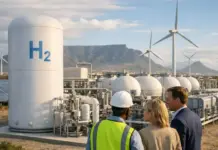
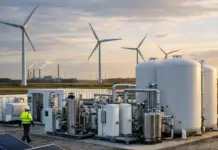
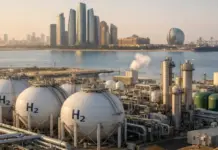
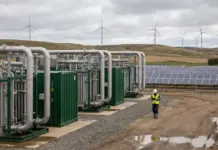
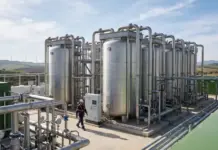
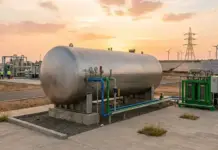
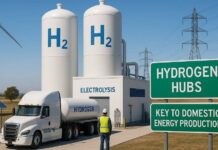
The ultimate vision for Solid Oxide Electrolyzers is the creation of integrated industrial hydrogen hubs. In these hubs, large-scale SOEC plants will be co-located with heavy industries, renewable energy sources, and hydrogen storage facilities. This localized production and consumption model eliminates the need for expensive long-distance hydrogen transport infrastructure, which remains one of the primary bottlenecks of the hydrogen economy. By producing hydrogen exactly where it is needed and utilizing the available local heat and power, these hubs will maximize efficiency and minimize costs.
As we move toward 2030 and beyond, the role of SOEC in these hubs will only grow. The ongoing research into lower-temperature solid oxide cells (operating in the five hundred to six hundred degree range) promises to even further reduce material costs and broaden the range of industrial applications. Furthermore, the development of reversible SOEC systems which can produce hydrogen when renewable energy is abundant and generate electricity when it is scarce will provide these hubs with a critical tool for grid balancing and energy security. The industrial hydrogen revolution is not just coming it is being powered by the unique capabilities of solid oxide technology.