









The global shift toward a renewable-centric energy grid has introduced a fundamental challenge: the inherent intermittency of wind and solar power. Unlike traditional fossil-fuel-based power plants that can provide a steady “baseload” of electricity, renewable sources are subject to the whims of the weather and the diurnal cycle. This volatility creates periods of significant oversupply, where electricity prices can even turn negative, and periods of undersupply that threaten grid stability. To manage this imbalance, the energy system requires large-scale, flexible loads that can absorb excess energy and provide stability. Dynamic electrolyzer operation has emerged as the most promising solution to this problem. By acting as a responsive “buffer” that can ramp up and down in seconds, green hydrogen production facilities are becoming a vital component of the modern grid, ensuring that every kilowatt-dozen of clean energy produced is either used immediately or stored for future use.
The Paradigm Shift: From Constant Load to Flexible Resource
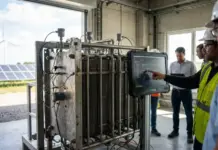
Historically, industrial electrolyzers were designed to operate at a steady, constant load. This was logical when they were connected to stable coal or nuclear power plants. However, in a renewable-heavy world, this “steady-state” mindset is an obstacle. Dynamic electrolyzer operation represents a paradigm shift where the production of hydrogen is synchronized with the availability of renewable electricity. Modern electrolyzer technologies, particularly Proton Exchange Membrane (PEM) systems, are uniquely suited for this role. They can ramp from zero to full capacity in less than a minute and can even provide “overload” capacity for short durations to help absorb sudden surges in renewable output.
This flexibility transforms the electrolyzer from a simple electricity consumer into a sophisticated grid management tool. When there is a surplus of wind power on a stormy night, the electrolyzer can ramp up to maximum production, converting that excess electricity into valuable hydrogen gas. Conversely, when the wind dies down and demand peaks, the electrolyzer can quickly scale back or shut down entirely, freeing up electricity for other critical needs. This responsiveness is essential for preventing the “curtailment” of renewable energy the wasteful practice of shutting down wind turbines or solar farms when the grid cannot handle their output.
Grid Services and the Economics of Flexibility
The ability to operate dynamically opens up new revenue streams for green hydrogen producers. In many energy markets, grid operators pay for “ancillary services” technical functions that maintain the frequency and voltage of the electrical system. Because dynamic electrolyzers can respond almost instantaneously to grid signals, they are ideally suited for frequency regulation and demand-response programs. By providing these services, hydrogen plants can significantly offset their operational costs, making green hydrogen more competitive with fossil-fuel alternatives.
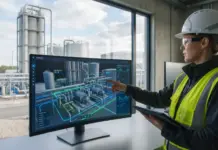
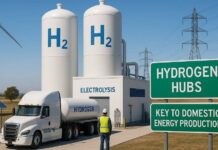
Furthermore, dynamic operation allows producers to take advantage of electricity price volatility. By focusing production during hours of low or negative electricity prices which typically coincide with high renewable output producers can drastically lower the “Levelized Cost of Hydrogen” (LCOH). This “price-following” strategy is a core component of the business case for modern hydrogen hubs. Advanced software and artificial intelligence are now being used to automate these decisions, integrating real-time market data with weather forecasts to ensure that the electrolyzer is always operating at the most economically and environmentally beneficial level.
Technical Challenges of Rapid Power Cycling
While the benefits of dynamic operation are clear, the process of constantly ramping power up and down creates significant technical challenges for the electrolyzer hardware. Each power cycle introduces thermal and mechanical stresses into the electrolyzer stack. For example, as the current density changes, the internal temperature of the stack fluctuates, leading to the expansion and contraction of the membranes and electrodes. Over thousands of cycles, these stresses can lead to material fatigue, delamination, and a gradual decline in efficiency.
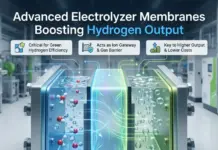
To address these issues, engineers are developing new materials and design strategies specifically for dynamic environments. This includes reinforced membranes that can handle rapid pressure changes and advanced catalyst coatings that remain stable even when the current is cut off. Furthermore, sophisticated thermal management systems are now being integrated into the “Balance of Plant” to maintain a stable operating temperature regardless of the power input. By using heat exchangers and buffer tanks to store thermal energy, these systems ensure that the electrolyzer stack remains within its optimal temperature window, significantly extending its operational life. The goal is to create a system that is as rugged and reliable as a traditional alkaline unit while maintaining the high-speed responsiveness of a modern digital device.
The Role of PEM vs. Alkaline in Dynamic Grids
The choice of electrolyzer technology is a critical factor in the success of dynamic operation. Proton Exchange Membrane (PEM) technology is currently the leader in this space due to its solid polymer electrolyte and thin-cell architecture. PEM systems have very low thermal mass and can handle high current densities, allowing them to follow renewable signals with incredible precision. They are also capable of high-pressure operation, which simplifies the integration with hydrogen storage systems.
However, traditional Alkaline Water Electrolysis (AWE) is also evolving to meet the demands of the dynamic grid. While older alkaline units were slow to respond and required a constant “trickle” of power to maintain polarization, the new generation of “pressurized” and “zero-gap” alkaline electrolyzers has significantly improved its flexibility. These modern alkaline systems can now ramp at rates that are sufficient for most grid services, and they do so with a lower capital cost and a reliance on more abundant materials like nickel. In many large-scale projects, a hybrid approach is being considered using a large alkaline baseload for steady production and a smaller PEM unit for rapid frequency regulation. This combination provides the best balance of cost, scale, and responsiveness.
Integrating with Large-Scale Hydrogen Storage
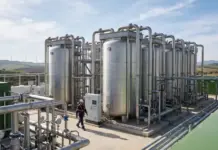
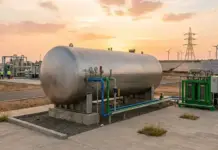
For dynamic operation to be truly effective, it must be paired with adequate hydrogen storage. If an electrolyzer ramps up to absorb excess wind power, there must be a place to put the resulting gas. Large-scale storage solutions, such as salt caverns or depleted gas fields, are essential for decoupled energy systems. These “hydrogen batteries” allow the grid to store terawatt-hours of clean energy for weeks or even months, providing a solution for the seasonal variability of renewables that lithium-ion batteries cannot match.
The integration of dynamic electrolysis with geological storage creates a truly resilient energy system. During a sunny summer, excess solar power can be converted to hydrogen and pumped into underground caverns. This hydrogen can then be retrieved in the winter to power fuel cell plants or provide heat for industrial processes. This long-duration energy storage is the “missing link” in the transition to a one hundred percent renewable grid. Dynamic electrolyzers are the interface that makes this seasonal energy shift possible, converting the volatile power of nature into a stable and storable molecular fuel.
The Future of Grid-Integrated Hydrogen Production
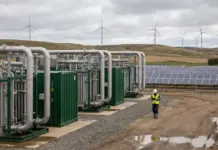
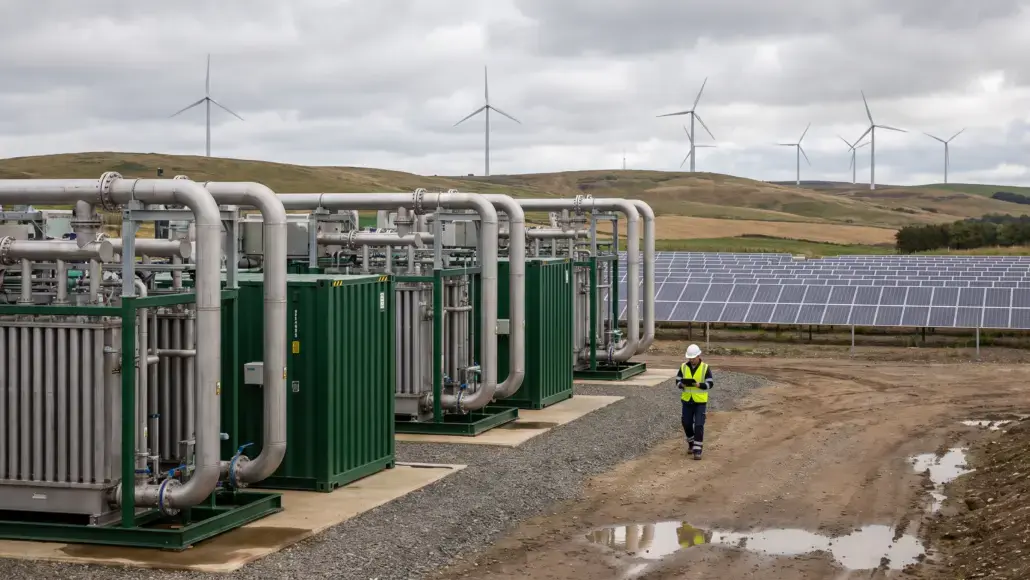
As we look toward the future, the integration between the hydrogen economy and the electrical grid will only become deeper. We are moving toward a world of “smart hydrogen hubs” where electrolyzers are co-located with offshore wind farms or massive solar arrays. In these facilities, the electrolyzer will act as the primary control mechanism for the entire energy complex, automatically balancing the output of the renewable generators with the needs of the grid and the demands of the hydrogen market.
Advancements in digital control systems and the Internet of Things (IoT) will allow for the coordinated operation of thousands of distributed electrolyzers. Small-scale units at refueling stations or in commercial buildings will work together as a “Virtual Power Plant,” providing the grid with a massive, distributed resource for flexibility and stability. This level of coordination will require a new regulatory and market framework that recognizes the value of dynamic operation and provides the right incentives for producers to provide these critical services. The transition to a green energy future is not just about producing clean power it is about managing it intelligently through the power of dynamic electrolysis.