


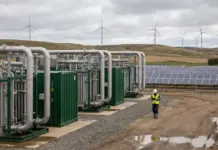
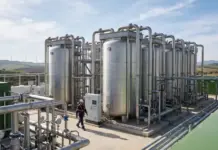

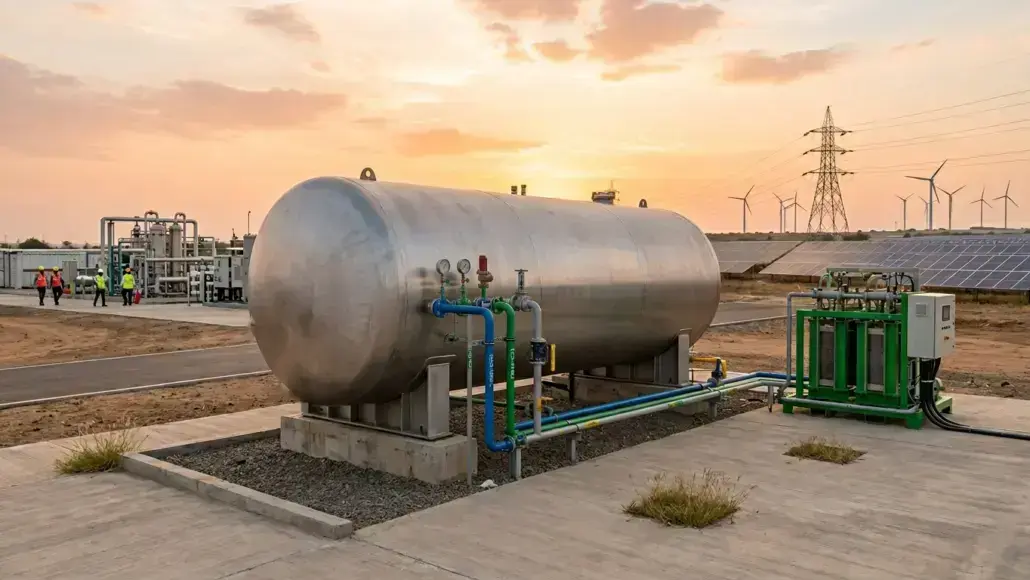

Wolong Enaide, which happens to be a major player in the green energy sector, has gone ahead and secured a pioneering 100 NM³ Anion Exchange Membrane – AEM green hydrogen project contract based out of China’s Guangxi. This development happens to mark a major step when it comes to the region’s embrace of advanced electrolysis tech as far as sustainable energy generation is concerned.
This AEM Green Hydrogen Project Contract also highlights the broader commitment by China when it comes to speeding up its energy shift and attaining ambitious decarbonisation objectives.
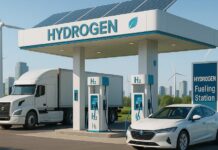
It is well to be noted that the push when it comes to decarbonisation in China is driven by way of national strategy so as to decrease carbon emissions, elevate energy security, and move toward an energy mix that’s much cleaner. Apparently, green hydrogen that’s produced via the electrolysis of water making use of renewable electricity is regarded as a major element in terms of decarbonising certain rough industrial verticals and also transportation.
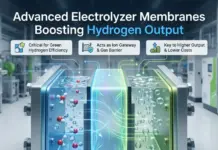
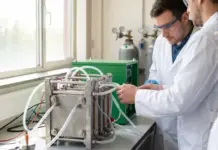
China has in a way substantially throttled the green hydrogen capabilities that it holds, hence reflecting a robust industrial and government push towards the clean energy vector. It is worth noting that the AEM electrolysis tech, at the centre of the Guangxi project by Wolong Enaide, is gaining immense speed because of its very unique benefits. It is well to be noted that AEM electrolysers are characterised because of their capacity to function sans any expensive metals like platinum or radium, which, by the way, are mostly needed within proton exchange membrane – PEM electrolysers.
Apparently, this cost-effectiveness goes on to position AEM technology as a very competitive option, thereby potentially bringing the cost of green hydrogen much closer to the one that’s produced by way of traditional alkaline electrolysers. Moreover, AEM systems go on to provide a dynamic response capacity, enabling them to integrate efficiently along with fluctuating energy sources such as solar and wind power. This stands as a critical trait so as to make utmost use of green hydrogen production.
Wolong Electric Group, via its JV with Wolong Enapter Hydrogen Technologies Ltd, has been pretty pivotal in terms of localising as well as commercialising AEM electrolyser technology in China. The collaboration happens to focus on production of AEM electrolysers locally so as to cater to the growing demand of the Chinese market. The offering by Wolong within the hydrogen energy chain has extended to overall solutions which include the likes of hydrogen production power supplies which are efficient along with AEM water electrolysis devices.
The company has already gone ahead and sourced major orders when it comes to its AEM electrolysers, thereby indicating a rising market acceptance as well as demand.
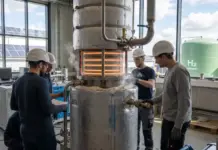
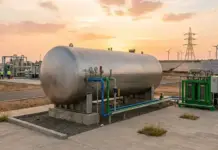
Although the Guangxi project is a 100 Nm³ initiative, it is indeed pretty pioneering for the entire region, as it happens to contribute towards many major impacts. Industrially, it goes on to signify the broadened commercialisation as well as practical rollout of AEM electrolysis technology in China, hence showcasing a very viable on-site generation of hydrogen.
Economically, AEM technology adoption, because of its minimised dependence on costly materials, may as well lead to a lower cost of green hydrogen production, thereby pushing growth when it comes to local green energy industries and, at the same time, creating novel economic opportunities within the region, such as Guangxi.
The fact is that environmentally as well as geopolitically, this as well as other similar projects happen to sync with broader objectives of China to attain carbon neutrality and, at the same time, offer Chinese solutions in terms of global transition issues, hence, in a way, reinforcing the country’s role as being a leader when it comes to green energy innovation. This pioneering project by Wolong Enaide is indeed a major step that actualises the green hydrogen endeavours of China and also advances sustainable energy solutions.