





LCH2, the Lewis County Hydrogen Alliance, Inc., announced on July 28, 2026, the start of Phase 1 project evaluation work for the Lewis County Forestry Residuals to Fuel-Grade Hydrogen & Dispatchable Clean Power project, partially funded by a grant received from the Centralia Coal Transition Board.
The project that turns forest residuals into hydrogen for fuel is funded in part by a $400,000 award under LCH2’s $3.9M grant request submitted to the Centralia Coal Transition Grants Energy Technology Board and will bring together LCH2, Ways2H, The Devonshire Group, and HydrogenXT to move forward with a replicable clean-energy platform for Lewis County.
It is well to be noted that the initial award of $400,000 for Phase 1 provides support for a project evaluation package that includes site diligence, concept engineering, a permitting roadmap, and commercialization planning as well as a capital-readiness assessment. The work is aimed at defining the essential parameters for the project to transition from project assessment into comprehensive engineering, trial development, and private capital execution.
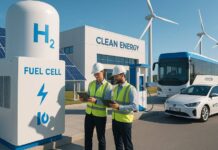
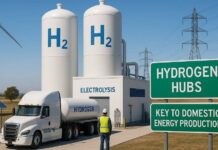
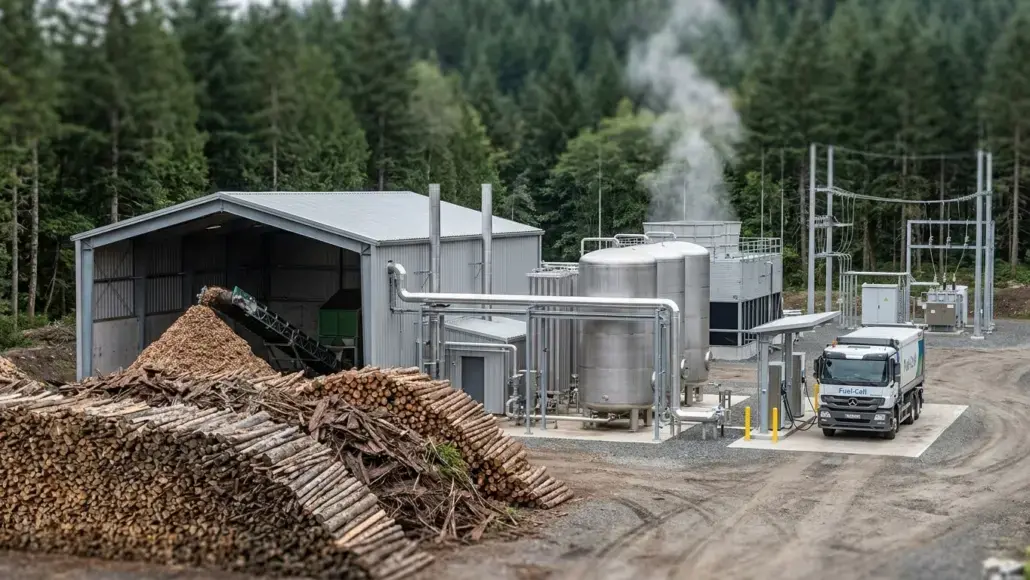
The project aims to transform forest residuals into hydrogen for fuel, captured carbon dioxide or carbon-based products, and dispatchable clean power, without the combustion of the feedstock. The platform is being designed for industrial users and transportation fleets, as well as energy-intensive operations that require dependable clean power, including potential self-sufficient data center infrastructure. This project illustrates a way to increase local energy durability by turning an underutilized local biomass resource into multiple high-value clean energy products, improving forest health and creating economic possibilities within rural communities. With Lewis County leading the way, LCH2 is developing a scalable and replicable model that will benefit communities throughout Washington and assist them to meet clean energy and decarbonization goals.
Interestingly, LCH2 is the nonprofit beneficiary and grant coordinator. The Devonshire Group is providing support for delivery management, biomass supply-chain evaluation, and stakeholder coordination activities. Thermochemical conversion technology and engineering support are being supplied by Ways2H. HydrogenXT is helping with project development, commercialization, offtake strategy, and integration with hydrogen fuel and power clients.
According to the executive director of LCH2, Ken Cavallon, “Lewis County has the forest resources, the energy transition need, and the industrial know-how to become a national proving ground for clean hydrogen from forest residues. Phase 1 is about discipline: validate the site, the feedstock, the engineering, the permits, the customers, and the capital pathway before anyone asks the community or investors to take the next step. We are grateful that the Centralia Coal Transition Grants Energy Technology Board shares our vision for a more sustainable future for our region.”
As per Jean-Louis Kindler, co-founder & director of Ways2H, “This project is a powerful fit for the Ways2H platform because it focuses on a real local resource, a real clean-fuel need, and a phased pathway to commercial deployment. Our role is to help translate the technology into a practical, financeable system that can turn underused biomass into hydrogen fuel and carbon products.”
Skip Sponsel, the Devonshire Group’s vice president, opines that “forestry residuals are often treated as a disposal problem. LCH2 is asking a better question: How can that material become a durable source of regional economic value, forest resilience, and clean energy? That is the kind of implementation challenge The Devonshire Group was built to help solve.”
Says Chief Customer Officer of HydrogenXT, Karl Tussy, “The commercial opportunity is not just producing hydrogen; it is connecting clean hydrogen fuel to customers who can use it reliably and economically. HydrogenXT is focused on helping this project develop the offtake, customer, and integration pathway needed to move from promising assessment to bankable deployment.”
Phase 1 results will inform future partner selections and debates around private sector investment. Future phases are contingent upon technical results, permits, commercial obligations, funding requirements, and other applicable authorizations.