

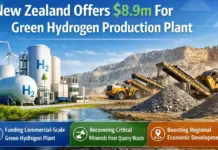









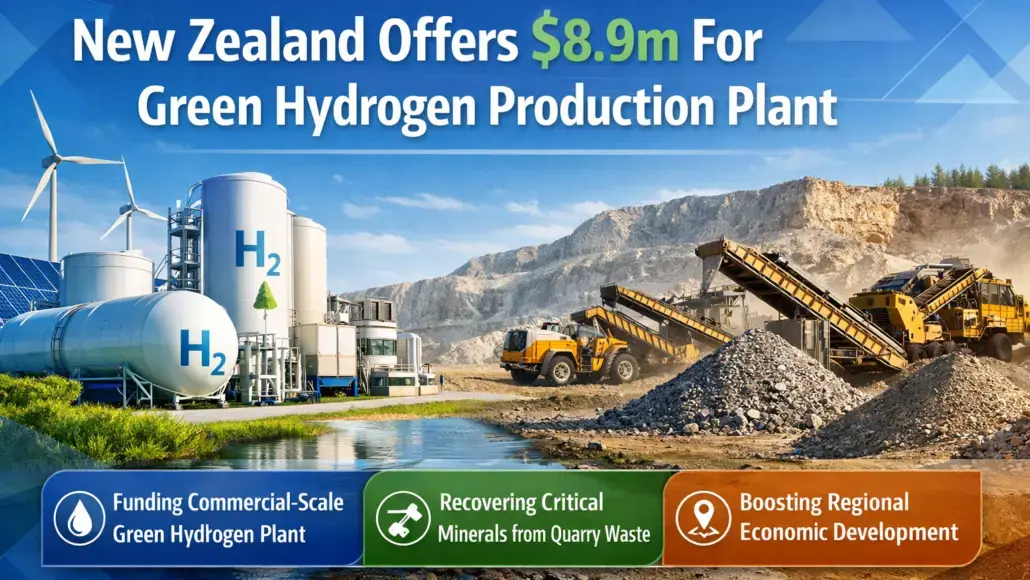

The New Zealand Government is all set to offer NZ$15 million, which is almost US$8.9 million, by way of the Regional Infrastructure Fund – RIF in order to support a commercial-scale plant in Southland which looks forward to green hydrogen production and also reclaiming critical minerals from the quarry waste. Announced by Shane Jones, the Regional Development, Resources and Associate Energy Minister, the project is an integral part of the wider endeavours by the government to make the regional economic development robust, enhance energy resilience and also help emerging low-emissions industries. The details pertaining to the announcement have been published on the official website of the New Zealand government.
Apparently, the funding is going to support a NZ$31 million, or approximately US$18.4 million, commercial-scale plant located in Southland and developed by one of the private sector materials technology companies. As per the government, the facility is going to apply a patented procedure which helps produce green hydrogen while simultaneously separating valuable minerals from the quarry waste materials.
Regional infrastructure funding for the growing energy sector
It is well to be noted that the investment is going to be rolled out via an integration of loan and equity arrangements, with final nuances still under discussion.
According to the government, the support comes from NZ$80 million, or approximately US$47.3 million, which has been allocated as per the RIF for critical minerals projects.
Mr Jones remarked that the initiative goes on to showcase the intent by the government to support technologies which can make a contribution toward regional economic progress and simultaneously develop alternative sources of energy. He described hydrogen as a part of a much wider industrial opportunity when it comes to New Zealand, especially across sectors in which electrification is less applicable.
According to the Regional Development, Resources and Associate Energy Minister, Shane Jones, “New Zealand needs a range of energy solutions to support economic growth and improve resilience. Hydrogen has the potential to play an important role in reducing emissions in parts of the economy where electrification isn’t the best option.”
Notably, the Government has identified heavy transport and also a few industrial applications as pockets wherein hydrogen could as well complement electrification. In such kinds of settings, battery weight, functional range and high-temperature industrial procedures can indeed make way to a few operational challenges.
Development of Hydrogen linked to a broader energy plan
Interestingly, this announcement does sync in with the Hydrogen Action Plan of New Zealand and also certain wider efforts so as to diversify the energy mix of the country. The Government has also offered support to certain other steps which have been focused on long-term energy innovation, such as the superhot geothermal drilling project that looks to expand renewable energy alternatives via geothermal technologies which are advanced
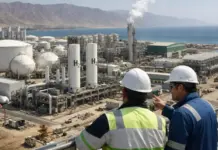
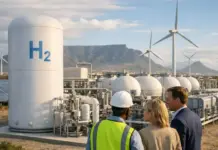
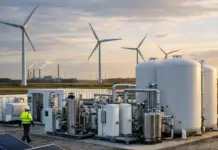
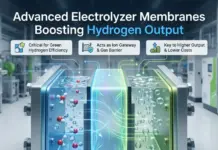
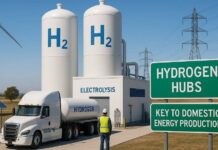
Green hydrogen production takes place by way of electrolysis, which is a process separating hydrogen and oxygen through using electricity. Hydrogen is regarded as green when electricity which is utilized gets derived from renewable sources. Officials take into account this technology as a potential contributor when it comes to reducing emissions in many hard-to-abate sectors.
Also, the Southland facility also showcases a growing policy stress on integrating resource development with certain advanced manufacturing capacities. The project is expected to recover minerals from the quarry waste while at the same time producing hydrogen and combining resource efficiency along with the production of low-emissions energy.
Emphasis on regional capacity and innovation
According to the government, the project could help with the development of certain new industrial capabilities across regional New Zealand through mixing energy innovation along with local technical experience and expertise. The fact is that the ministers have increasingly linked infrastructure as well as science investment to regional economic resilience and, of course, future sector growth.
This direction is also seen in the broader government planning, such as the science investment which had been recently announced. This plan marks out priorities when it comes to research, innovation and technology development throughout major industries.
Mr Jones says that the projects which combine advanced manufacturing and energy technology as well as critical mineral development can indeed add value throughout multiple sectors and at the same time also help in placing the regions of New Zealand to play a major role in growing sectors.