



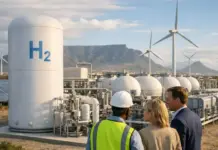












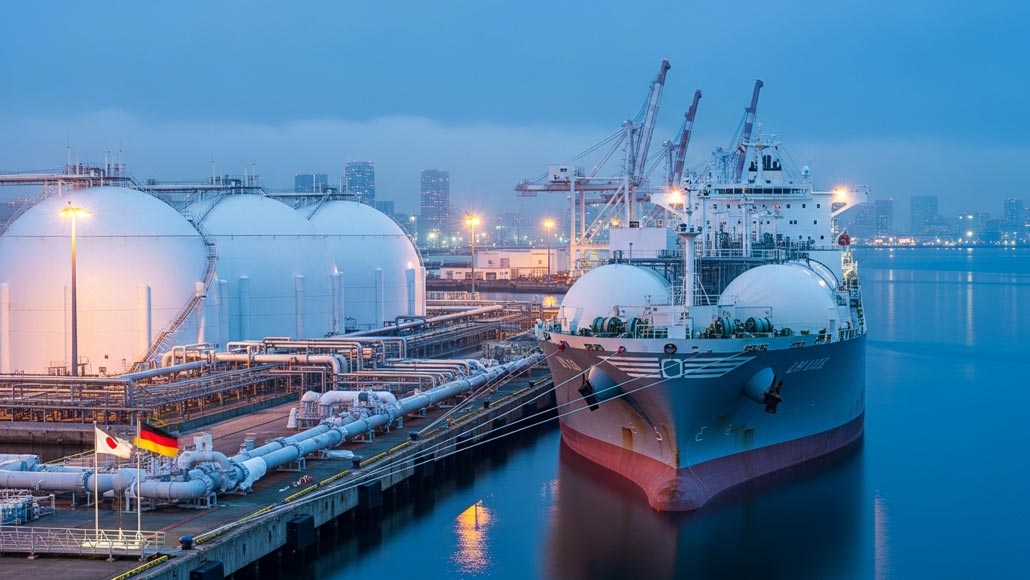

A new international hydrogen corridor is commissioning due to a memorandum of understanding that has been signed on September 15, 2025, in Osaka. The deal, which has been penned during the Hydrogen Energy Ministerial Conference, goes on to bring together Kawasaki Heavy Industries, Toyota as well as Kansai Electric Power, all of which are regarded as Japanese heavyweights, and the German players of the likes of Daimler Trucks along with the Port of Hamburg’s management body. Their objective is to create a cross-border hydrogen supply network linking production and transport as well as end-use in mobility and industry that’s cost-effective.
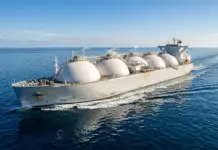
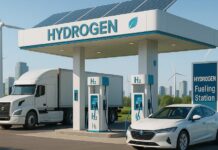
Although the details are yet to come, the ambition looks pretty clear – integrate the liquefied hydrogen transport infrastructure, which would be led by Kawasaki; hydrogen-powered vehicle fleets through Toyota and Daimler; and port and logistics hubs within Hamburg and Osaka.
Yasuhiko Hashimoto, president of Kawasaki, said that the partners are going to bring together companies having strong commitment in terms of making use of hydrogen throughout various industrial sectors like ports and mobility that includes commercial vehicles, logistics as well as power generation. Kawasaki looks forward to targeting nothing short of a full-fledged global hydrogen corridor.
But the economics do remain the sticking point. The high cost of hydrogen continues to act as a barrier for its widespread uptake. Kawasaki, which has developed the first commercial liquefied hydrogen carrier in the world, happens to be betting on scale along with sectoral demand aggregation in order to drive down the expenditure. However, without infrastructure timelines that are very detailed or binding offtake agreements, this still happens to remain a strategic bet in terms of long-term industrial alignment between both Japan and Germany.