












The Environmental Assessment Service – SEA of Chile for the Magallanes and Chilean Antarctic region recommended the authorisation of the Environmental Impact Study for the Integral Project for the Production and Export of Green Ammonia – HNH Energy. The recommendation comes in the Consolidated Evaluation Report, which was published on August 25, 2026. The project is an $11 billion investment with a 50-year operating life.
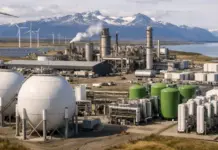
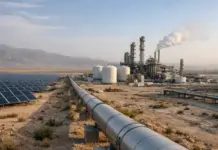
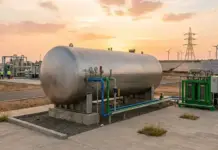
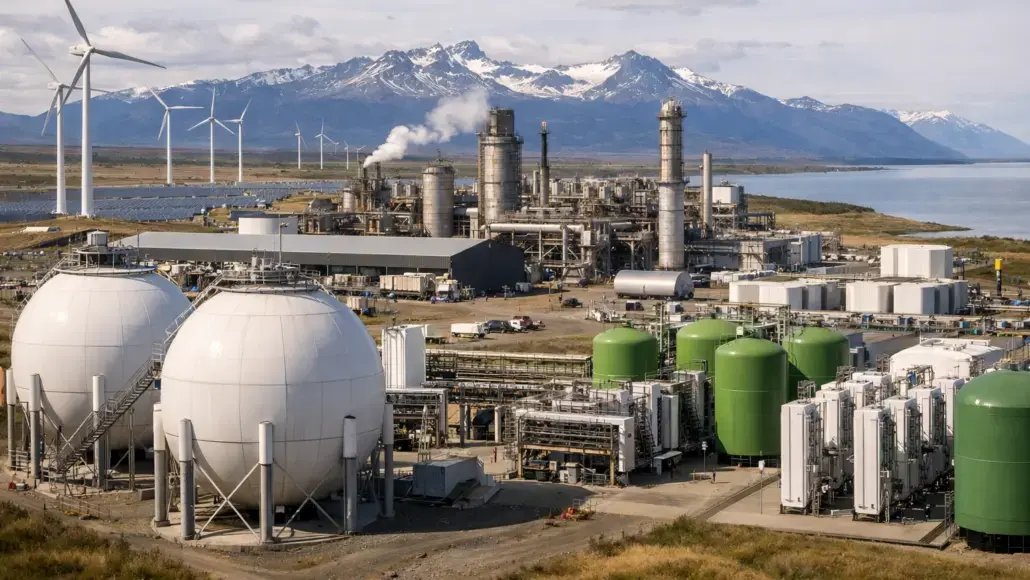
Combined green ammonia production complex in Chile
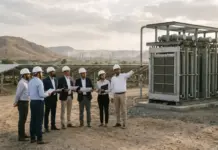
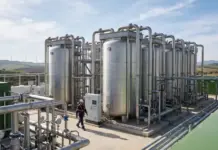
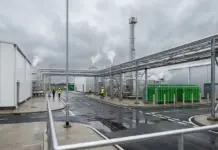
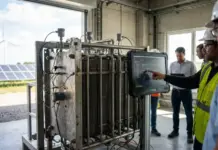
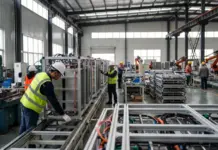
The development will include a process plant so as to produce ammonia from green hydrogen as well as a seawater desalination plant which will provide water for hydrogen production as well as the rest of the facilities. The project comes in amid a number of hydrogen-related projects which are experiencing calendar delays in Europe, whereas other players still are chasing acquisitions in the wind sector, like the purchase of an onshore project in Romania.
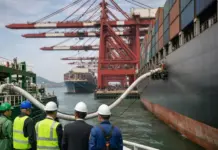
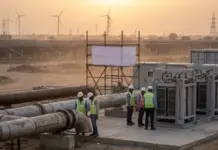
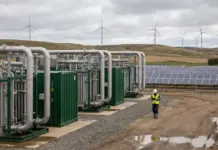
The complex also goes on to include a 1.4 gigawatt wind farm with 194 turbines in order to supply the required electricity and a port that has facilities for storage and export of ammonia by sea and also for receipt of project components as well as parts.
Cumulative jobs at 7,000, timeline extending to 2084
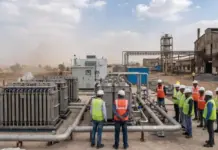
The Green Ammonia Production Complex in Chile will create up to 3,998 jobs during construction, 1,777 during operation and 1,110 during closure, for a total of 6,885 jobs throughout the three phases, the report said. The filing says the plan includes two camps to accommodate personnel who need housing at the site, referred to as camp 1,000 and camp 3,000.
The project closure is scheduled to start in the H1 of 2083 and complete in the second half of 2084, with landform restoration as the last step. The report will be sent to the municipalities of Punta Arenas and San Gregorio as well as Laguna Blanca for their comments.
SEA confirms the corrections made by the project owner
Given the size of the project, it was considered for multiple categories of evaluation, such as substations, high-voltage transmission lines, generating plants over 3 megawatts, maritime terminals, submarine outfalls, and industrial facilities over 2,000 kVA, as well as aggregate extraction projects. The holder of the project included voluntary environmental commitments during the review, such as the development of interpretive viewpoints known as Aikes, along with the active management of the cultural heritage of the Estancia San Gregorio Typical Zone, in addition to the vibration monitoring in its structures. Additional responsibilities include a road management plan, encouragement of local hiring, a program of socio-labour best practices and surveillance of birds by means of carcass surveys surrounding the turbines.
It is well to be noted that the SEA recommendation was based on the fact that the project holder rectified the errors, oversights, and mistakes identified during the assessment; that the project is in compliance with relevant environmental laws and industry permit guidelines and that it takes into account the impacts set out according to Article 11 of Law No. 19,300 that prompted the obligation for an Environmental Impact Study. The report also says the project will be constructed in phases – a second phase, involving a further wind farm of around 2.1 gigawatts, will be regarded as another project in the future in order to supply the complementary energy the plant requires to function at its maximum production capacity.
The time limit agencies with environmental authority to sign off on the Consolidated Evaluation Report is August 24, as per the notice issued by the SEA. Among those that already conveyed their view is the National Geology and Mining Service – Sernageomin of Magallanes, which disclosed no observations.