

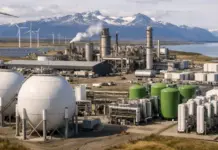



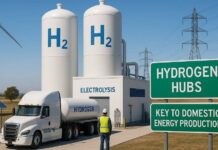


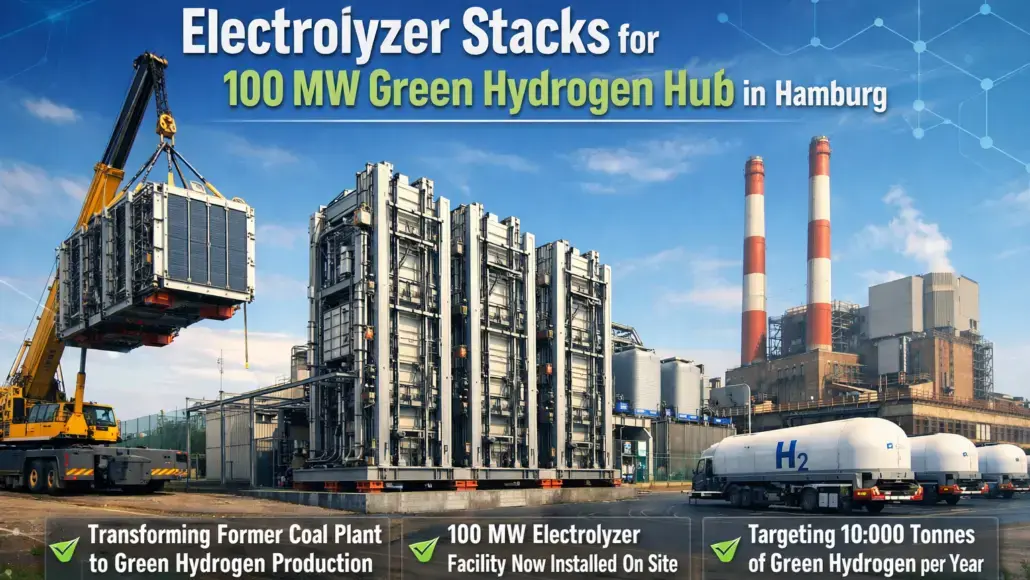

Hamburg aims to produce commercial hydrogen by the second half of 2027 and is now installing core PEM equipment at the former Moorburg coal plant.
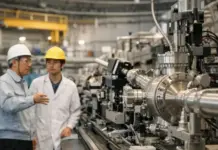
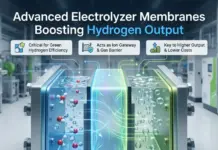
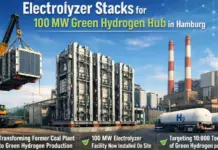
The last groups of Siemens Energy electrolyzer stacks have arrived at the Hamburg Green Hydrogen Hub, bringing the main equipment for the 100MW plant to the site.
The project aims to produce some 10,000 tonnes of green hydrogen per year, to be distributed via the HH-WIN hydrogen network and a dedicated trailer-loading facility in Hamburg.
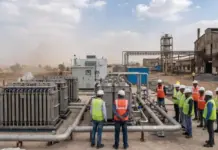
As the last electrolyzer stack groups arrive at the former Moorburg coal-fired power station for 100 MW Green Hydrogen Hub in Hamburg, it has taken the project from civil construction to the installation of its main hydrogen-production equipment.
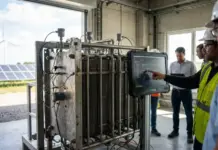
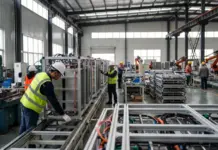
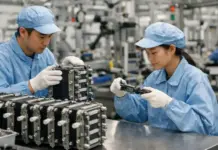
The stacks were produced at the Siemens Energy electrolyzer plant in Berlin and are currently being installed in the new building at Moorburg. Hamburger Energiewerke, which is building the plant, said the deliveries had taken place in recent weeks and called the stacks the foundation of the future plant.
This is an extremely significant distinction – the milestone is delivery of the core electrolyzer stacks, not completion of the full 100 MW facility.
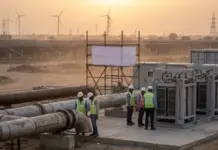
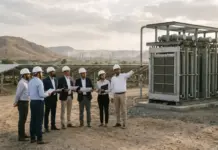
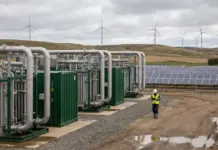
It is well to be noted that Siemens Energy is delivering and installing 6 PEM electrolyzer units, which combine to make the 100 MW Green Hydrogen Hub in Hamburg. Other systems, such as electricity distribution, cooling, water treatment, and compression, as well as hydrogen handling, are being provided independently as part of the balance-of-plant work.
The goal is to start commercial operations in the H2 of 2027 with a yearly output of approximately 10,000 tonnes of green hydrogen.
Moorburg’s aging power grid gives hydrogen a head start
The site is one of the more significant facets of the project.
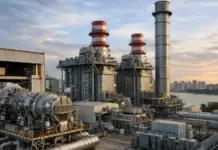
The coal-fired power station from Moorburg shut down after just six years in operation in July 2021. Later, the Hamburger Energiewerke bought the site and dismantled parts of the plant but kept the infrastructure that could be used again for hydrogen production.
Existing facilities include workshops and water-treatment equipment, as well as storage buildings, and the high-voltage grid connection on site has been adapted so as to supply renewable electricity to the electrolzer.
This makes Moorburg more than just a metaphorical coal-to-hydrogen transformation. Many greenfield electrolyzer projects need to build their own infrastructure, and HGHH can use existing infrastructure at an established industrial energy site.
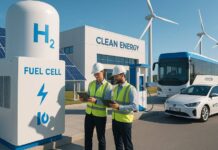
The project makes use of proton exchange membrane, or PEM, electrolysis, which can alter its operating level fairly rapidly, making it suitable to power supply that changes in accordance with wind and solar generation.
Pipeline connection already moving forward
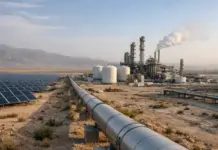
The positive aspect is that HGHH is being developed as an integral component of the HH-WIN hydrogen distribution network and does not rely solely on truck deliveries.
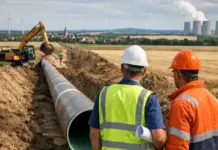
Hamburger Energienetze has already entered into a hydrogen grid-connection agreement along with HGHH and plans to construct an injection facility some 350 meters away from the future electrolyzer.
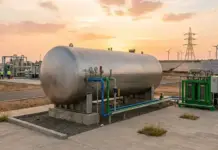
The installation is going to compress and convert hydrogen and then feed it into the HH-WIN at a pressure of approximately 25 bar or, with additional compression, into the broader hydrogen core system in Germany at pressures of as much as 70 bar.
A trailer-loading station will be another option available to customers not directly linked to the pipeline network.
This indeed matters commercially. Without customers and a practical means of transporting hydrogen to them, a 100 MW electrolyzer is not much use. Moorburg is under development as part of a broader framework with production, local distribution, and connection to the emerging hydrogen backbone in Germany that is planned to come online in synchronization.
100 MW is an anchor project, but not enough when it comes to Hamburg alone
The scale needs some perspective too. HGHH anticipates an output of around 10,000 tonnes, or about 110 million cubic meters of hydrogen, per year.
Hamburg had in the past estimated that it could ultimately need as much as three billion cubic meters of hydrogen every year so as to replace fossil fuel use within its industrial as well as commercial sectors.
Moorburg is thus not designed to be able to meet the hydrogen needs of Hamburg in the future on its own. It is an important preliminary large-scale production anchor that can help develop the network, operational expertise, and customer base for a far bigger hydrogen market.
The developers also say they will slowly begin to ramp up hydrogen production as the distribution network evolves and that they aim to reach customers in multiple industries instead of a single buyer.
Apparently, that is one of the main checks for the project. The delivery of stacks indicates that the plant is being physically built. The commercial success of the plant after its commissioning will depend on the competitiveness of the supply of electricity, dependable utilization, and adequate hydrogen demand.
Luxcara has a 74.9% share in the project, whereas Hamburger Energiewerke owns 25.1%. Siemens Energy has also signed a 10-year maintenance agreement for the electrolyzer equipment.
With the stacks now on site, attention is now centered around the installation, integration as well as commissioning of the entire plant prior to the scheduled 2027 launch.