




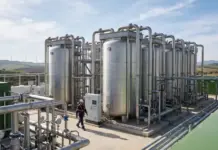
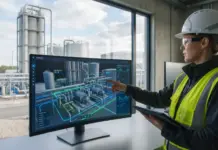
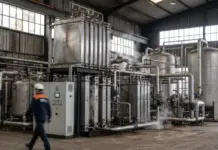
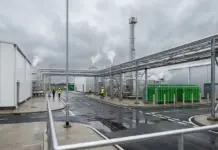







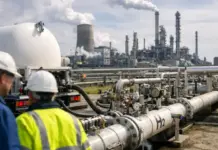
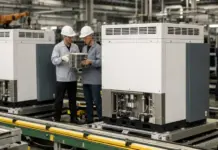
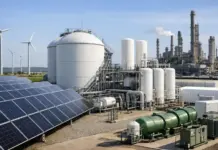
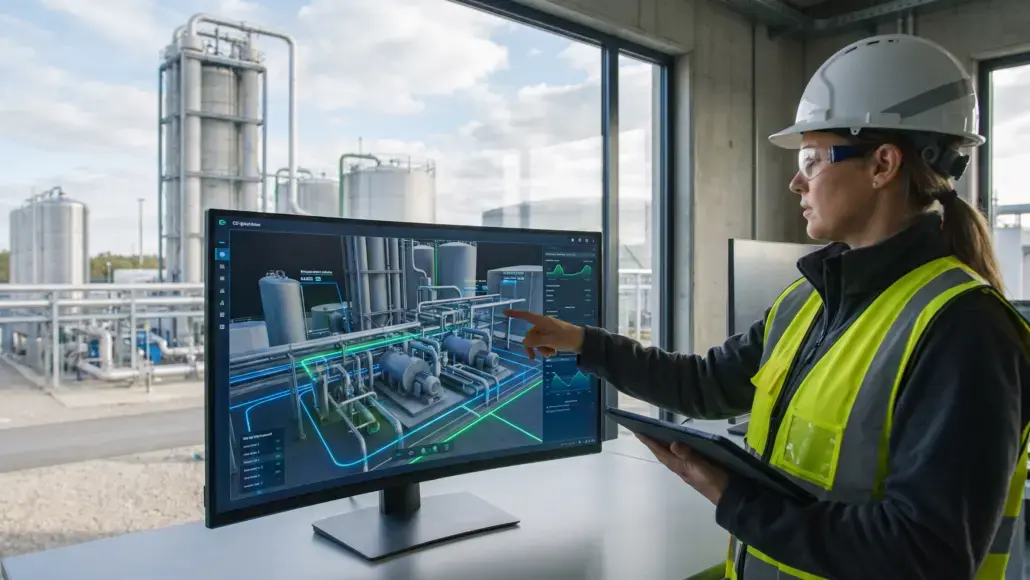

The industrial landscape is currently witnessing a profound digital transformation, and the burgeoning green hydrogen sector is at the very forefront of this evolution. As hydrogen production facilities scale from pilot projects to massive gigawatt-scale hubs, the complexity of managing these assets grows exponentially. To ensure maximum efficiency, safety, and reliability, plant operators are increasingly turning to a revolutionary concept: the digital twin. A digital twin is a dynamic, virtual replica of a physical asset, process, or system that is updated in real-time with data from its physical counterpart. By creating a living digital mirror of a hydrogen production plant, operators can gain unprecedented insights into the performance of their equipment, allowing them to optimize every aspect of the facility from individual electrolyzer cells to the entire global supply chain. This synergy between the physical and digital worlds is the key to unlocking the full economic and environmental potential of green hydrogen.
The Architecture of a Digital Twin in Hydrogen Production
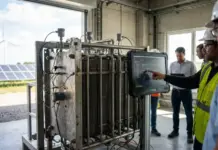
To understand the power of digital twins for hydrogen production, one must first look at how they are constructed. A high-fidelity digital twin is not just a 3D model it is a sophisticated integration of engineering physics, real-time telemetry, and historical data. The process begins with the “digital thread” a continuous flow of data from sensors located throughout the physical plant. These sensors monitor thousands of variables, including current density, stack temperature, pressure gradients, gas purity, and water conductivity. This data is fed into a central platform where it is processed by advanced physics-based models and machine learning algorithms.
The digital twin uses this information to simulate the behavior of the plant under any given set of conditions. It can calculate the “remaining useful life” of a membrane, predict the onset of catalyst degradation, or simulate how a change in the cooling water temperature will affect the overall efficiency of the stack. Because the twin is “alive” meaning it evolves as the physical plant ages it provides a far more accurate representation of the asset’s current state than any static simulation ever could. This level of transparency is essential for managing the complex, non-linear interactions that occur within a high-pressure, high-power electrolyzer system.
Predictive Analytics and the Elimination of Unscheduled Downtime
In the world of heavy industry, unscheduled downtime is a major source of financial loss. For a hydrogen plant, a sudden failure in a power converter or a leak in a gas-liquid separator can stop production for days, leading to missed delivery schedules and increased maintenance costs. Digital twins transform maintenance from a reactive task to a proactive strategy through predictive analytics. By analyzing the subtle trends in sensory data, the digital twin can identify the “signatures” of impending failure weeks or even months before they occur.
For example, a slight, progressive increase in the voltage required to maintain a constant current might indicate the early stages of electrode fouling. While this change might be too small for a human operator to notice, the digital twin can detect the anomaly and alert the maintenance team. This allows repairs to be scheduled during planned outages or periods of low renewable energy availability, ensuring that the plant remains at peak production during the most profitable windows. Furthermore, by simulating different repair scenarios in the virtual world, engineers can determine the most efficient way to perform the maintenance, minimizing the time that the physical asset is offline. This “virtual-to-physical” feedback loop is significantly increasing the “uptime” and profitability of modern hydrogen facilities.
Optimizing the Balance of Plant (BOP) and Energy Use
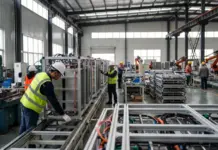
While the electrolyzer stack is the core of the plant, it is supported by a complex network of ancillary systems known as the Balance of Plant (BOP). This includes water purification units, cooling systems, gas compressors, and power electronics. Each of these components consumes energy and contributes to the overall cost of hydrogen production. Digital twins for hydrogen production are increasingly being used to optimize the performance of the entire integrated system, not just the stack.
The digital twin can act as a master orchestrator, adjusting the setpoints of the cooling pumps and compressors in real-time to match the dynamic output of the electrolyzer. For instance, as the stack ramps up to absorb excess wind power, the digital twin can preemptively increase the cooling flow to manage the thermal surge, preventing the stack from exceeding its safe operating temperature. It can also identify energy-saving opportunities, such as using the heat generated by the compressors to pre-warm the feedwater, thereby improving the overall thermodynamic efficiency of the facility. By viewing the plant as a single, holistic system, the digital twin ensures that every component is operating at its “sweet spot,” maximizing hydrogen output for every unit of energy input.
Facilitating Renewable Integration and Grid Services
The primary challenge for green hydrogen plants is the variability of their power source. To be truly “green,” these plants must follow the erratic patterns of wind and solar generation. This requires a level of operational flexibility that is difficult to manage manually. Digital twins provide the computational power needed to bridge this gap. By integrating with weather forecasting systems and electricity market data, the digital twin can run thousands of simulations to determine the optimal production schedule for the coming days.
Should the plant ramp up to take advantage of a predicted surge in solar power, or should it throttle back to provide frequency regulation services to the grid? The digital twin can evaluate the economic trade-offs of these decisions in seconds, considering the impact on stack degradation and the current price of hydrogen. This “grid-aware” optimization allows the hydrogen plant to act as a valuable asset for the electrical system, helping to stabilize the grid while maximizing its own revenue. As energy markets become increasingly complex and volatile, the ability to make data-driven, automated decisions in the virtual world will be a major competitive advantage for hydrogen producers.
Lifecycle Management and the “Lessons Learned” Loop
The value of a digital twin extends far beyond the daily operation of a single plant. It provides a comprehensive record of the asset’s entire lifecycle, from design and construction to decommissioning. This “digital history” is a goldmine of information for future engineering efforts. By comparing the predicted performance of a system with its actual behavior in the real world, designers can identify flaws in their models and improve the design of the next generation of electrolyzers.
This creates a continuous “lessons learned” loop that is accelerating the technological evolution of the industry. If a particular stack design consistently shows premature degradation in the digital twins of multiple plants, the engineering team can use that data to redesign the component before it is deployed in new projects. Furthermore, digital twins can be used to train plant operators in a safe, virtual environment, allowing them to practice handling emergency scenarios and complex start-up procedures without any risk to the physical equipment. This improves safety and ensures that the workforce is prepared to manage the massive scale-up of the hydrogen industry.
The Future: Towards a “Digital Twin of the Hydrogen Economy”
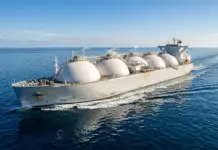
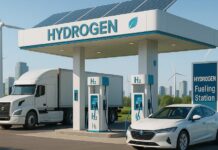
As the number of digital twins grows, we are moving toward a world where they can be connected to form a “Digital Twin of the Hydrogen Economy.” In this vision, the digital twins of production plants will be linked with the twins of hydrogen pipelines, storage caverns, and end-users like steel mills and refueling stations. This would allow for the end-to-end optimization of the entire hydrogen value chain. A sudden spike in demand from a fleet of hydrogen trucks could be signaled back to the production plant’s digital twin, which would then coordinate with the renewable energy twin to ensure that the required hydrogen is produced and delivered at the lowest cost.
This level of systemic optimization is necessary to achieve the massive scale and efficiency required for a global energy transition. The digital twin is not just a tool for optimization it is the foundation for a more transparent, efficient, and resilient energy system. By bringing the power of industrial AI and big data to the hydrogen sector, digital twins are ensuring that the promise of a carbon-free future is backed by the reality of digital excellence.