

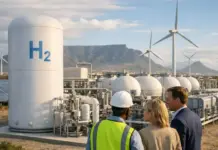

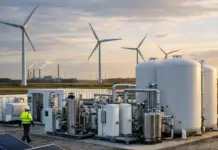
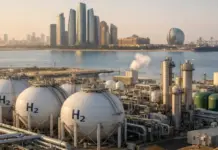
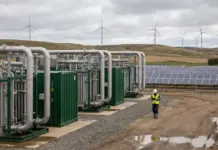

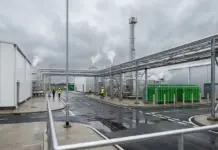


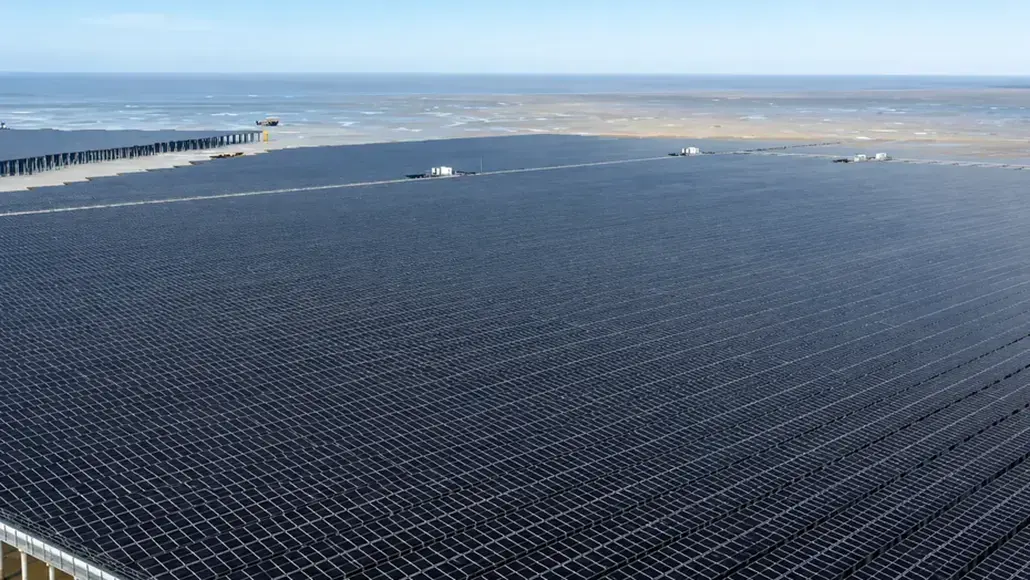

The Rudong Integrated Solar-Hydrogen-Storage Project, which was developed by CHN Energy Guohua Energy Investment Jiangsu Branch at Yangkou Port in Rudong in the Jiangsu Province of east China, was finished on June 10, 2026.
It is worth noting that this is the largest project of its kind in China and signifies the start of an integrated operating model synchronizing power generation, load, grid connection, and energy storage as well as hydrogen production.
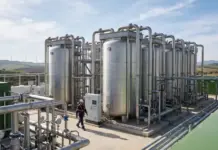
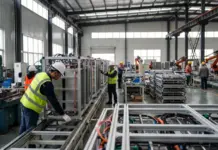
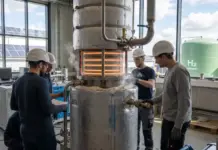
This Integrated Solar-Hydrogen-Storage Project is indeed quite an important construction unit of the third batch of large-scale photovoltaic base projects located in China. The integrated system consists of an energy storage station of 60 megawatts/120 megawatt-hours; a 400-megawatt photovoltaic power station; as well as a green hydrogen production station of 1,500 standard cubic meters per hour, creating a complete industrial chain in terms of green power generation and storage along with conversion.
The photovoltaic facilities are projected to produce 468 million kilowatt-hours of electricity per year, which is enough to satisfy the annual basic electricity needs of about 200,000 households and cut carbon dioxide emissions by over 300,000 tons per year. The energy storage station supports smoothing of grid output variations and improves the ability of the grid to take in renewable energy.
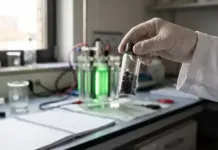
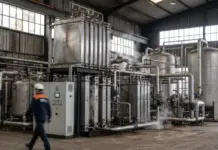
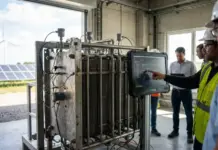
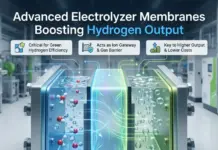
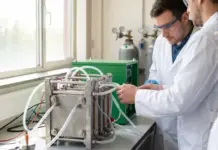
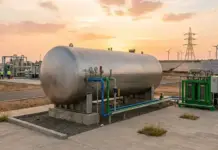
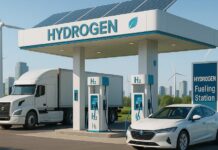
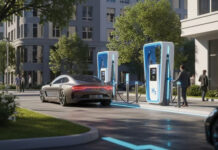
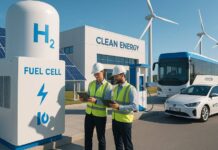
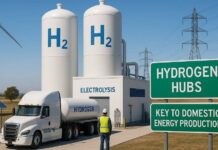
Apparently, the hydrogen production facility can produce 482 tons of high-purity green hydrogen every year, thereby creating a zero-carbon closed-loop system that converts green electricity into green hydrogen. The hydrogen is going to be supplied to the Yangtze River Delta region, and the supporting hydrogen refueling station has also been finished and put into service, thus forming the full green hydrogen application chain.
The project has achieved system-wide joint commissioning, and all performance metrics have met design requirements. In the future, the project will keep optimizing its unified operating model, with green electricity as the base, hydrogen energy as a bridge, and energy storage as the assurance. It will help the Yangtze River Delta region to go ahead and build a clean, low-carbon, secure, and highly efficient modern energy system and offer a CHN Energy model for energy transition and green development across China.