













Japan and Slovenia have gone on to sign two separate memorandums of cooperation when it comes to the hydrogen sector in Tokyo during the ministerial meetings on September 10, 2026. The first document binds the respective ministries of both countries to cooperation on hydrogen as well as its derivatives. This kind of bilateral rapprochement is reminiscent of other recently concluded sector deals, like the one signed between the city of Oulu and ABO Energy pertaining to a hydrogen project. The second document, of an industrial nature, links Yokogawa Electric Corporation, the Japanese company, to Slovenian public operators ELES and Plinovodi, which are the country’s electricity transmission and gas transport operators, respectively.
A partnership centred on previous cooperation
The signature builds upon longer-standing cooperation between both the countries, with Slovenia already collaborating with Japanese agencies on smart electricity grids. Slovenian authorities are using this experience as a basis for developing a more ambitious collaboration on low-carbon hydrogen in a scenario where many European countries are reinforcing their support schemes for the sector, including the second wave of support for decarbonized hydrogen developed by DGEC from France. Slovenia’s deputy prime minister and minister of infrastructure and energy, Jernej Vrtovec, was in Tokyo. His ministry’s communications services announced the trip in advance and listed the signing of the intergovernmental component among the goals of the visit. Ryosei Akazawa, Japan’s minister of economy, trade, and industry, was in attendance at the meetings.
A feasibility study – The first industrial step
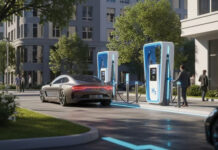
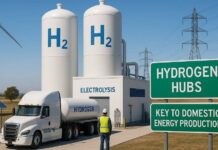
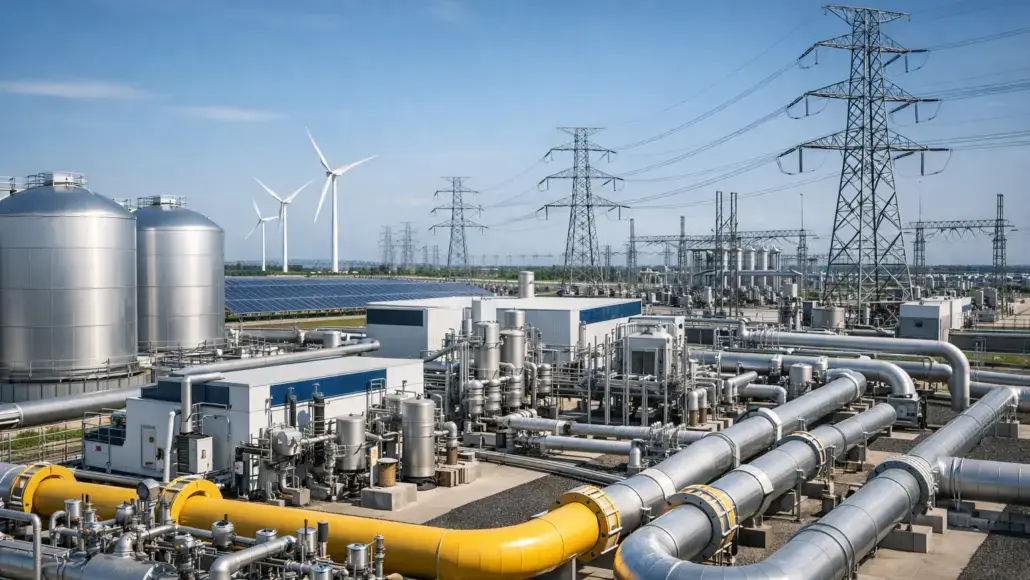
When it comes to the industrial side, the deal between Yokogawa and the two Slovenian operators is to look into strengthening resilience in the critical energy infrastructure of the country by way of what the parties define as sector coupling between electricity and gas as well as hydrogen networks. The first phase of the project will be a feasibility study examining the technical, operational, and commercial options for the integration of hydrogen into Slovenia’s energy infrastructure. The project will also develop digital solutions to ensure coordinated joint use of the electricity and gas networks, in addition to mobile backup units for electricity distribution, which might also function as fast-charging stations.
Complementary know-how between operators
Aleksander Mervar, the ELES CEO, highlights the operator’s experience when it comes to running and developing the Slovenian national electricity transmission network. Matija Bitenc, his counterpart from Plinovodi, referred to the experience of the operator in gas transport infrastructure and participation in a European hydrogen corridors project, in which Plinovodi is developing its network for the shipment of renewable and low-carbon gases. For his part, the executive vice-president of Yokogawa, Koji Nakaoka, highlighted the international experience in industrial automation of the group along with digitalization and several projects of the hydrogen and green hydrogen ecosystems held anywhere in the world.
A model labelled as replicable
Executives quoted in the signatory companies’ communications describe this project as potentially transferrable across the borders of Slovenia. They said the expertise and operational lessons learned from the collaboration could be applied to certain other critical energy infrastructure across Europe. It is not yet clear how the three operators intend to direct the activities, and at this stage there is no specific timeline or investment amount in place.