




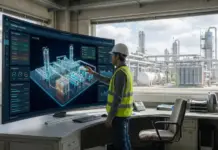








In the global effort to decarbonize energy systems, green hydrogen stands as one of the most promising alternatives to fossil fuels. However, for hydrogen to become a truly ubiquitous energy carrier, its production cost must be significantly reduced. While the capital expenditure (CAPEX) for electrolyzers is steadily declining due to economies of scale, the operating expenditure (OPEX) primarily driven by energy consumption and maintenance remains a major hurdle. Machine Learning for Electrolyzers has become the definitive catalyst for addressing this challenge, providing the analytical power needed to optimize operational efficiency and minimize life-cycle costs. By integrating advanced algorithms into the production process, hydrogen plants can achieve a level of economic performance that was previously unattainable.
The primary driver of OPEX in a green hydrogen plant is the cost of renewable electricity, which can account for up to 80% of the total operating budget. Traditional control systems lack the foresight and flexibility to handle the volatility of solar and wind energy prices and production rates. Machine learning, by contrast, thrives in this complex environment. By processing vast datasets of energy market trends, weather forecasts, and internal plant performance, machine learning models can make high-speed decisions that maximize production during periods of low-cost energy while protecting the electrolyzer from the detrimental effects of rapid load cycling. This transition to intelligent, market-aware operations is the key to unlocking the full economic potential of water electrolysis.
The Role of Machine Learning in Energy Optimization
Energy optimization is the cornerstone of cost reduction in hydrogen production. Machine Learning for Electrolyzers addresses this through the implementation of advanced Energy Management Systems (EMS). These systems use deep learning models to predict the most efficient operating point for the electrolyzer stack under varying conditions. For example, the efficiency of an electrolyzer is not constant; it changes with temperature, pressure, and current density. A machine learning model can identify the exact combination of parameters that minimizes the specific energy consumption the amount of electricity required to produce a kilogram of hydrogen.
Furthermore, machine learning facilitates the integration of energy storage systems, such as batteries or hydrogen buffers, to smooth out renewable energy volatility. The algorithm determines when to draw power from the grid, when to use stored energy, and when to throttle production to avoid high-price peaks. By optimizing these real-time energy dispatch decisions, machine learning can reduce the effective energy cost by as much as 20%. This direct impact on the largest component of OPEX is the primary reason why industrial intelligence is being prioritized by green hydrogen project developers worldwide.
Degradation Modeling and Life-Cycle Cost Management
The operational life of an electrolyzer stack is a critical factor in its long-term economic viability. Over time, membranes and electrodes degrade, leading to a loss of efficiency and eventually requiring expensive stack replacement. Machine Learning for Electrolyzers provides a sophisticated framework for degradation modeling, allowing operators to understand and mitigate the factors that accelerate aging. By analyzing the relationship between operational stressors such as high temperatures or rapid power ramps and the resulting loss in performance, machine learning models can suggest operational strategies that extend the stack’s useful life.
This capability shifts the balance between CAPEX and OPEX. If a machine learning system can extend the life of a stack by 20% or 30%, it significantly reduces the “levelized” cost of hydrogen over the plant’s entire lifecycle. These models, often based on Extreme Learning Machines (ELM) or recurrent neural networks, can predict the Remaining Useful Life (RUL) of individual cells with high precision. This allows for targeted maintenance and refurbishment, ensuring that the plant only undergoes downtime when absolutely necessary and that every component is utilized to its maximum physical potential.
Optimizing Balance-of-Plant and Auxiliary Loads
While the electrolyzer stack is the primary energy consumer, the auxiliary systems often referred to as Balance-of-Plant (BoP) also contribute significantly to the total energy bill. These include water purification units, cooling systems, and gas compressors. Machine Learning for Electrolyzers extends its optimization reach to these peripheral systems, ensuring they operate in harmony with the core production process. For instance, the energy consumed by cooling pumps can be minimized by using machine learning to predict the thermal load of the electrolyzer and adjusting the cooling flow rates accordingly.
In the case of hydrogen compression, machine learning can optimize the multi-stage compression process, minimizing the auxiliary energy required to reach storage pressures. By treating the entire facility as a single, integrated thermodynamic system, machine learning identifies “parasitic” energy losses that are often overlooked by traditional plant management tools. The cumulative effect of these micro-optimizations is a substantial reduction in the overall energy footprint of the plant, further driving down the operational cost per unit of hydrogen produced.
Market-Adaptive Production and Economic Resilience
In the modern energy landscape, a hydrogen plant is not just a consumer; it is an active participant in the energy market. Machine Learning for Electrolyzers enables a strategy known as “market-adaptive production.” By monitoring wholesale electricity prices and grid frequency in real-time, the AI can adjust production levels to take advantage of economic incentives. For example, during periods of grid oversupply, the plant can provide “downward regulation” services, receiving payments to absorb excess renewable energy that would otherwise be curtailed.
This multi-revenue stream approach is essential for the economic resilience of green hydrogen projects. The machine learning model acts as an automated trader, balancing the plant’s production targets with the potential income from grid services. This ensures that the plant is always operating in the most financially advantageous mode. By diversifying the income of the facility and lowering the net energy cost, machine learning makes green hydrogen projects more attractive to traditional financial institutions, lowering the cost of capital and accelerating the global deployment of the technology.
Labor Efficiency and Autonomous Operations
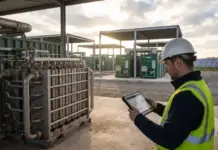
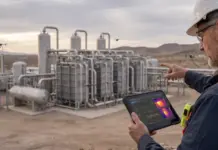
The integration of machine learning also addresses the labor component of OPEX. Large-scale hydrogen plants are often located in remote areas where skilled labor is both expensive and difficult to source. Machine learning facilitates the transition to semi-autonomous or even fully autonomous operations. By providing intelligent diagnostics and automated control, these systems reduce the need for constant on-site monitoring by human operators. The AI handles the day-to-day management of the facility, alerting human technicians only when complex problem-solving or physical intervention is required.
Furthermore, machine learning streamlines the maintenance workflow by providing precise information about the nature and location of potential issues. Instead of performing broad, time-consuming inspections, maintenance teams can go directly to the source of the problem, armed with the correct parts and tools. This improvement in labor efficiency not only reduces the direct salary costs but also minimizes the production losses associated with maintenance downtime. In the long run, the shift toward autonomous, AI-managed operations will be a defining characteristic of the most cost-competitive hydrogen facilities.
Predictive Chemical and Water Management
The chemical feeds of an electrolyzer, such as the water feedstock and the potassium hydroxide (KOH) electrolyte in alkaline systems, require careful management to maintain efficiency and prevent corrosion. Machine Learning for Electrolyzers optimizes these chemical cycles by predicting how concentration and purity will drift based on production rates and environmental factors. By automating the dosing of deionized water and chemicals, the machine learning system ensures that the electrolyzer is always operating in its optimal chemical environment.
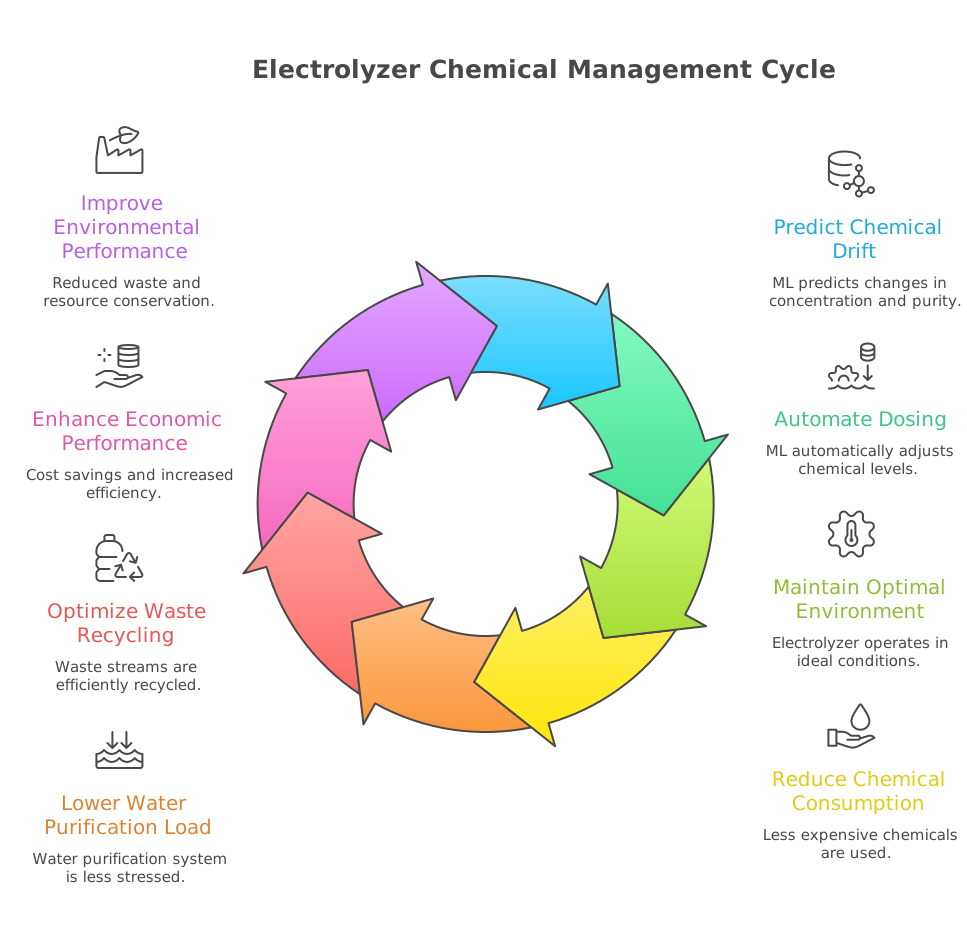
This level of precision prevents the over-consumption of expensive chemicals and reduces the load on the water purification system. Additionally, machine learning can optimize the recycling of waste streams within the plant, further lowering the feedstock costs. By treating chemicals and water as valuable resources that must be managed with extreme efficiency, machine learning helps to close the loop on the industrial production process, enhancing both the economic and environmental performance of the hydrogen facility.
The Roadmap to Gigawatt-Scale Economic Viability
As the hydrogen industry scales from megawatt pilots to gigawatt-scale industrial hubs, the importance of machine learning will only grow. In these massive facilities, the complexity of coordinating hundreds of electrolyzer stacks and thousands of auxiliary components is beyond the capacity of traditional management methods. Machine Learning for Electrolyzers provides the scalability needed to manage these “gigafactories” as single, optimized entities. By leveraging the power of industrial AI, we can achieve the deep decarbonization goals required for a sustainable future while maintaining a competitive energy market.
Machine Learning for Supply Chain and Logistics Optimization
The operating costs of a hydrogen plant do not end at the factory gate. For many producers, the cost of storing and transporting the gas to the end customer is a significant part of the total economic equation. Machine Learning for Electrolyzers extends its influence into this downstream segment by optimizing the entire supply chain. By predicting hydrogen demand from industrial consumers or fueling stations, the machine learning system can adjust the production and compression schedule to minimize storage costs and ensure that delivery vehicles are utilized as effectively as possible.
Furthermore, machine learning can optimize the logistics of spare parts and maintenance consumables. By predicting when specific components will fail, the system can automate the procurement process, ensuring that parts are ordered just-in-time and stored in the most cost-effective locations. This reduces the capital tied up in inventory and eliminates the risk of production delays caused by missing parts. This holistic view of the hydrogen value chain, from renewable energy input to final customer delivery, ensures that the economic benefits of machine learning are felt at every step, further driving down the cost of clean energy.
The Impact of AI on Financing and Insurance Costs
An often-overlooked component of hydrogen operating costs is the expense associated with financing and insurance. Because green hydrogen is a relatively new technology at scale, lenders and insurers often apply a “risk premium,” leading to higher interest rates and premiums. Machine Learning for Electrolyzers helps to mitigate this by providing a high degree of operational transparency and predictability. A plant that can demonstrate a robust, AI-driven asset management strategy is seen as a much lower risk by financial institutions.
The detailed performance logs and health reports generated by machine learning systems serve as a form of “digital collateral.” They provide objective evidence of the plant’s reliability and the effectiveness of its maintenance protocols. This can lead to significant reductions in insurance premiums and more favorable financing terms for future expansions. In the capital-intensive world of energy infrastructure, these financial savings can be as impactful as the direct energy optimizations, further accelerating the path toward a competitive and sustainable hydrogen economy.
The Ultimate Roadmap to $2 per Kilogram Hydrogen
The ultimate roadmap to $2 per kilogram of green hydrogen is paved with data and intelligence. Machine learning is the engine that drives this progress, transforming the hydrogen plant from a simple electrochemical device into a smart, efficient, and highly profitable industrial asset. By investing in these intelligent systems today, we are ensuring a resilient energy future where clean hydrogen is not only available but also affordable for everyone. The era of smart, cost-effective hydrogen production has arrived, and machine learning is leading the way.