

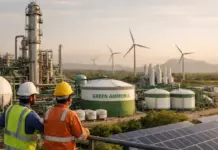
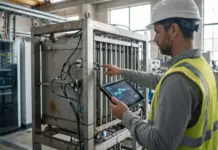
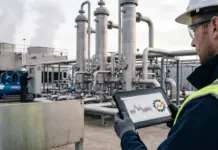
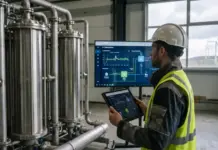
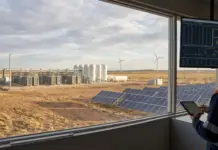


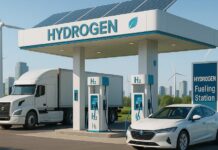
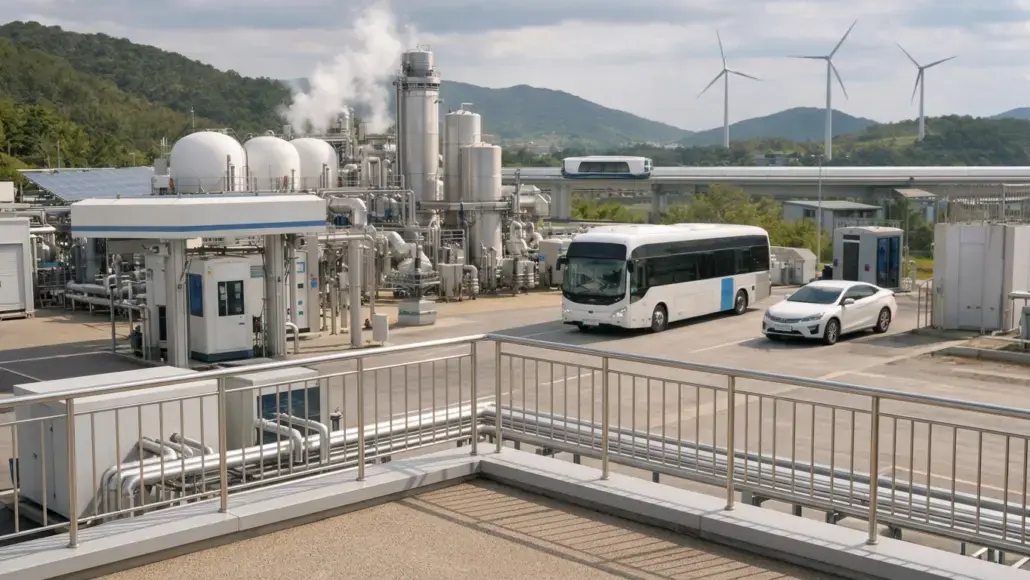

Saudi officials responsible for the kingdom’s smart city policy toured Ulsan, a hydrogen hub of South Korea. The idea was to have a look at the full-cycle hydrogen energy system in Korea along with future mobility facilities.
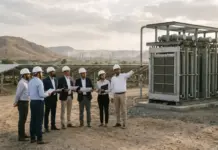
Ulsan city government said on September 22 those 11 visitors, which included senior officials at or above director-general level from seven Saudi agencies like the Ministry of Transport and Logistic Services, as well as representatives of the Misk Foundation, toured energy transition sites of Ulsan for two days starting from September 15, 2026.
The visit was part of a capacity-building training program on smart cities conducted by the National Human Resources Development Institute. Ulsan’s hydrogen pilot city was chosen as a key field site for the program that exchanges South Korea’s skills in urban governance and hydrogen economy operations in connection with Vision 2030, Saudi Arabia’s long-term national development plan.
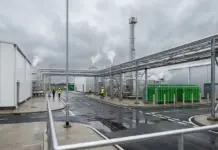
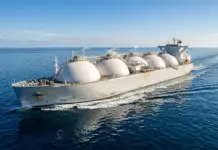
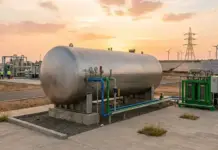
As part of reviewing the full-cycle hydrogen energy system in Korea, on the first day, which was the 15th September, the delegation visited Ulsan City Hall and had talks with Mayor Kim Sang-wook of Ulsan. The mayor introduced the city’s energy logistics base, including its hydrogen port and liquefied natural gas – LNG and crude oil storage facilities, and the current status of its hydrogen city project.
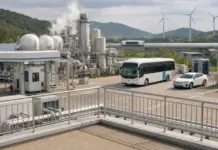
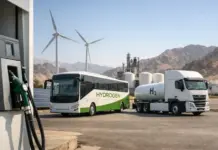
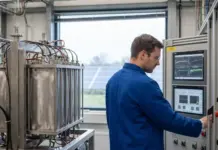
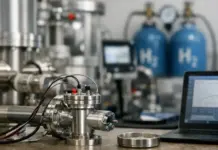
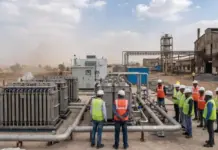
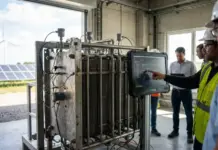
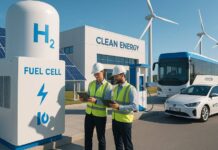
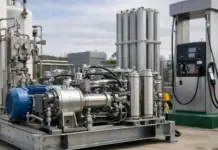
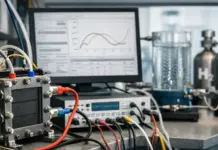
Then the delegation visited the Hydrogen Fuel Cell Demonstration Center to observe core technology development and R&D infrastructure and then visited the hydrogen pilot city in the Yuldong district of Buk-gu. There, the participants saw fuel cells installed in flat houses, facilities for heating and hot water supply, and equipment for power transmission, and they learned how hydrogen works as an everyday urban energy source.
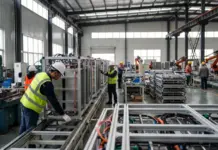
On the second day, the 16th September, the group visited the production line of a local automaker’s electrification to look at the manufacturing level of competitiveness of next-generation vehicles and the move to eco-friendly mobility sectors.
The exchange will be the basis for developing follow-up cooperation projects that connect the city’s advantages in hydrogen supply and utilization, mobility, and fuel cells with Saudi Arabia’s Vision 2030 smart city policy, Ulsan will build on.
Kim adds, “It is highly significant that the officials responsible for the Saudi government’s smart city policy experienced Ulsan’s hydrogen industry and urban model firsthand. We will work to share Ulsan’s experience and technological capabilities in building a hydrogen city with Saudi Arabia and turn that into tangible results in international cooperation.”