



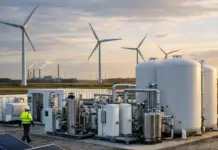










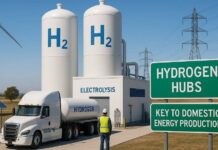
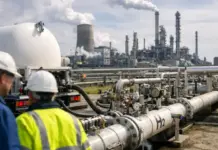

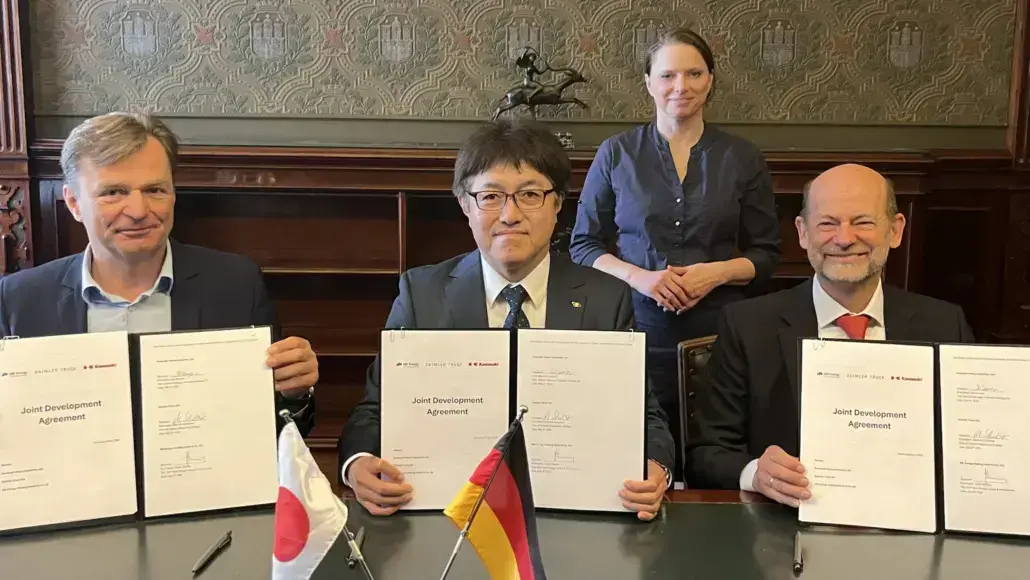

Daimler Truck, MB Energy and Kawasaki Heavy Industries have entered into a joint development agreement – JDA – in order to develop a liquefied hydrogen supply chain to Europe through the Port of Hamburg.
According to this agreement, the three companies shall use their respective skills to carry out specific studies to figure out the supply chain.
The target is to accomplish a commercial operation date for the supply of hydrogen and liquefied hydrogen by the early 2030s.
As per Volker Ebeling, the senior VP of MB Energy new energy, storage and infrastructure, “Hydrogen can become a key enabler for Europe’s energy transition, and Hamburg is ideally positioned to become Germany’s main gateway. We are combining MB Energy’s infrastructure, our service station network and our trading expertise with Daimler Truck’s next-generation hydrogen truck developments and Kawasaki’s pioneering hydrogen storage and shipping technologies. Jointly we are working to build a scalable, international hydrogen import corridor for Europe. Establishing a reliable liquefied hydrogen supply chain contributes to energy security, as well as increased sustainability”, added Ebeling.
“Together with our partners, we aim to deliver this as an integrated end-to-end solution.”
Building a secure supply chain for liquefied hydrogen helps improve energy security and sustainability,’ Ebeling stated.
They want to deliver liquefied hydrogen supply chain to Europe as a fully integrated end-to-end solution with their partners.
Manfred Schuckert, Daimler Truck regulatory strategy head, said. A reliable and competitive supply of liquid hydrogen needs to be available if hydrogen-powered trucks are to scale up across Europe over the next decade, he goes on to add.
He further opines that “This agreement is essential because it brings key partners together to jointly study and shape a liquefied hydrogen supply chain to Europe, with a clear focus on feasibility, scalability and long-term impact. For heavy-duty transport, liquid hydrogen offers the energy density and operational flexibility needed for long-haul applications, but its potential can only be unlocked through coordinated action along the entire value chain.”
Daimler Truck looks to put 100 fuel-cell trucks powered with liquid hydrogen into customer ops starting at the end of 2026.
It is worth noting that hydrogen-powered fuel-cell trucks are scheduled for series production in the early 2030s. This is where the truck maker anticipates seeing the availability of the required infrastructure and, by means of agreements such as this, also the availability of liquid hydrogen at the competitive market prices as well.
Kei Nomura, GM and executive officer of the hydrogen strategy division at Kawasaki Heavy Industries – KHI, said his company acknowledges the Hamburg-centred initiative as an important step in building a hydrogen supply chain between Germany and Japan.
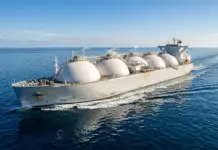
Kawasaki Heavy Industries is going to contribute its design and production expertise to the infrastructure required for international liquefied hydrogen supply chains, such as hydrogen liquefiers and liquid hydrogen – LH2 storage tanks along with LH2 carrier ships.