


















Sri Lanka has embarked on an ambitious programme in order to draw in global investment for the production of green hydrogen and green ammonia, a move which is anticipated to reshape the nation’s energy sector, bring in billions of dollars in terms of foreign direct investment and turn the island into a strategic clean energy center in the Indian Ocean.
It is well to be noted that to boost rising green energy sector of Sri Lanka, the government has gone ahead and extended the due date for investors to submit their expressions of interest under its request for information (RFI) process to June 19, 2026, following the increasing international interest in the sector.
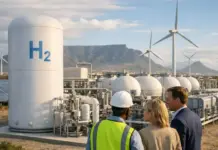
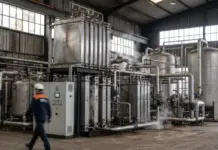
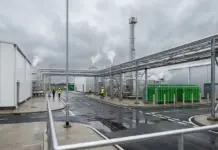
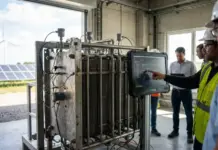
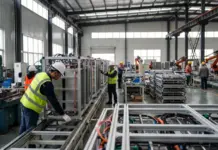
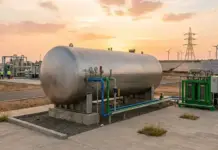
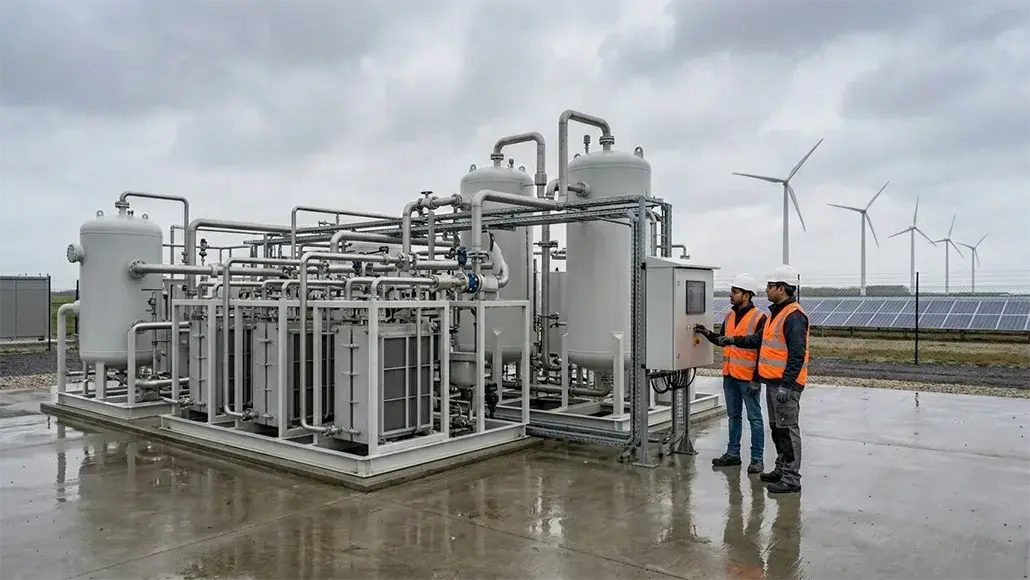
The drive, led by the Board of Investment – BOI in partnership with major organisations in the energy sector, includes large-scale green ammonia and hydrogen plants and storage infrastructure and export terminals, as well as the making of hydrogen-related equipment.
As per the senior government officials, the programme is closely in sync with the long-term economic transformation agenda of Sri Lanka and international commitments so as to low-carbon development. The world is experiencing a significant energy transition. The big winners in the future trade in energy are going to be countries that establish themselves early in the value chain of green hydrogen. Sri Lanka has good renewable energy resources and an advantageous maritime location which provides a good basis for these types of investments, said one of the energy sector officials.
As per the industry experts, the global demand when it comes to green hydrogen and ammonia is likely to surge over the following two decades as countries look for viable alternatives to fossil fuels for power production, heavy manufacturing, shipping, as well as aviation.
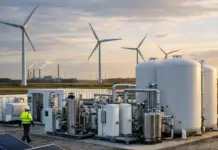
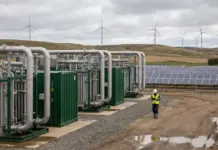
The vast wind resources of Sri Lanka, especially in the northern and northwestern regions, in addition to tremendous solar potential, make it one of the most promising locations as far as renewable-energy-based hydrogen production in Asia is concerned.
With a viewpoint to elevate the rising green energy sector of Sri Lanka, the projects could generate billions of dollars of investments in solar and wind power generation, leading to thousands of megawatts of new renewable energy output while advancing national energy security goals, said the officials.
It is worth noting that thousands of direct and indirect job opportunities are expected to be generated from the suggested innovations across engineering, logistics, construction, manufacturing, information technology, and research sectors.
As per one of the economic analysts, the effort could present Sri Lanka with a new export industry which might generate significant foreign exchange at a time when nations around the world are actively looking for reliable suppliers of green fuels. The global hydrogen economy is set to become a multi-trillion-dollar industry. Securing even a small percentage of this market can have a transformational economic effect for Sri Lanka, says a senior industry source.
It is also a big plus to reduce the country’s dependence on imported fossil fuels and fertiliser-related inputs.
In the end, experts say, local green ammonia production might promote agricultural and industrial uses and assist in lowering spending on imported products. Similarly, green hydrogen can be a vital energy transporter for future transport, industrial as well as power generation requirements.
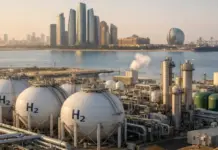
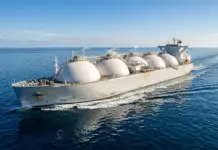
They also stressed that the strategic location of Sri Lanka on one of the world’s most active east-west shipping routes presents a unique chance to develop green fuel bunkering infrastructure when it comes to international vessels.
The fact is that as the global maritime sector moves towards decarbonization, ports that can provide low-carbon fuels will have significant competitive advantages.
The BOI guaranteed facilitation services for investment, support for infrastructure, and fiscal incentives as well as assistance with regulatory processes for speeding up project execution to potential investors.
The energy policymakers go on to see the effort as more than just an investment promotion exercise. They see it as a way to modernize Sri Lanka’s industrial base, draw in cutting-edge technologies, boost energy independence and establish long-term financial stability.
If implemented successfully, Sri Lanka could as well be among the early movers in the green hydrogen revolution of South Asia, changing the country from a net importer of energy to a future exporter as far as clean energy products are concerned, say observers.
As the investors in the world look for stable locations for green energy projects, Sri Lanka is hoping to exploit its geographical benefits and renewable energy resources to carve out a niche in the fast-changing clean energy market.
Over the coming months, the investor appetite for what could be one of the largest and most significant energy developments in the history of Sri Lanka is going to become clear.