






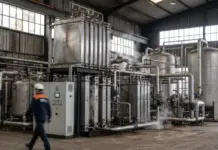

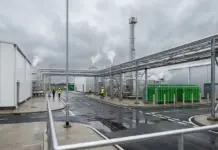






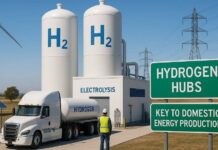



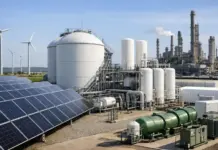


Equinix has advanced its search when it comes to energy alternatives for digital infrastructure, introducing a trial project using hydrogen energy for Dublin data centre. The project, developed with ESB and GeoPura, is to establish the possibility for green hydrogen as a substitute power source for critical facilities.
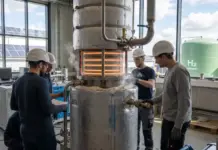
The effort is now being rolled out in the DB3 data centre of Equinix in Blanchardstown. Two hydrogen power units are going to supply electricity for cooling systems vital to the operation of the facility in a 12-week pilot program.
Digital infrastructure includes green hydrogen
Demand for computing power as well as data storage is growing, and so is the energy used by data centers. The problem has been further complicated by grid capacity constraints in areas of Greater Dublin in Ireland.
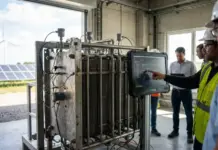
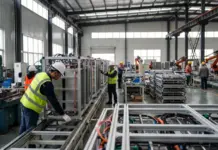
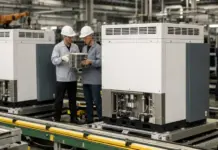
In response to this, Equinix decided to look into technologies that could provide dependable energy backup with lower emissions. Units from GeoPura are powered by hydrogen derived from renewable sources and employ PEM fuel cells to produce electrical power with zero direct emissions at the point of use.
The systems also happen to be linked to an uninterruptible power supply – UPS infrastructure, which enables an immediate reaction to disturbances in the electrical grid and delivers up to half a megawatt of uninterrupted power.
An alternative to diesel gensets
Historically, data centers have depended on diesel or gas generators to keep the lights on when the power goes out. But these technologies are a big part of the emissions challenge.
The hydrogen units set up in Dublin were developed to provide a low-emission option that helps to decarbonize critical operations. Project managers say the technology might also help ease pressure on the electricity grid when demand is high.
Similarly, the trial project using hydrogen energy for Dublin data centre will provide a basis for gathering information on the operational, commercial and security aspects of hydrogen use in large-scale energy backup applications.
Potential outside of data centres
According to the project partners, the technology could be useful in other sectors that need temporary power supplies. These include construction sites and industrial sites as well as operations in regions with restricted access to the electricity grid.
The pilot’s units can be scaled up to 50 MW, making it possible to employ them as both a backup power source as well as the primary power source in specific environments.
Another significant aspect is the usage of the by-products produced by the fuel cells. The system generates water and heat which can be reused in future applications for district heating as well as industrial cooling.
Ireland looks for new solutions for the energy shift
This type of initiative allows Irish authorities to test new technologies in real-life conditions. The data collected could help inform future energy strategies for emission reduction and integration of new clean energy.
If the results are positive, the project could be a model for the acceptance of hydrogen energy in data centers and other types of critical infrastructure aiming to minimize their reliance on fossil fuels while maintaining the dependability of the electricity supply.