


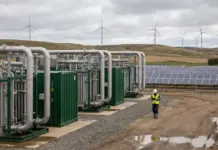
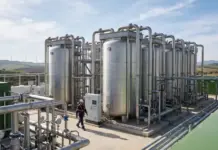

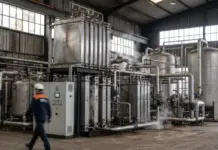




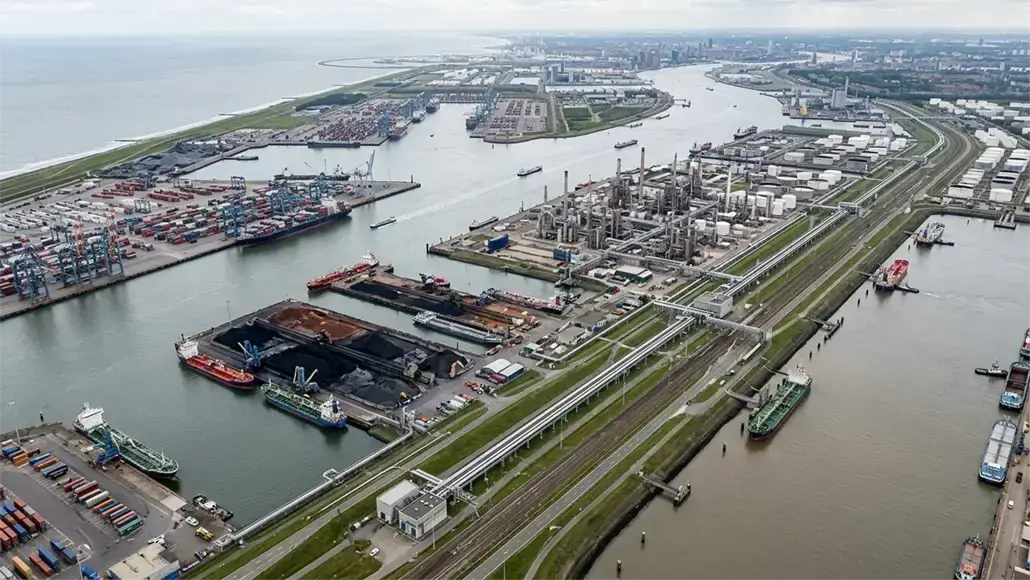

Significant strides are being made in conventional hydrogen infrastructure and industrial decarbonization in Northwest Europe. Gasunie has just gone ahead and opened the first major operational section of its national hydrogen backbone in the Port of Rotterdam.
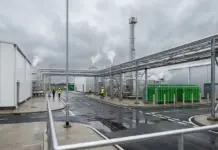
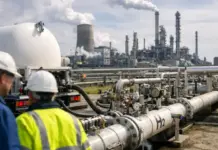
The new 32 km hydrogen pipeline at Rotterdam port, cuts via the industrial area of the port and connects the Maasvlakte zone located on the North Sea with the Pernis cluster on the Nieuwe Maas river. It is no longer just a pipe dream; this happens to be a direct connection between fresh green hydrogen production as well as existing refining and petrochemical facilities, thereby establishing a common transport corridor for low-carbon hydrogen feedstocks.
The whole setup fits alongside broader Dutch government and EU policies to replace standard natural gas networks with green hydrogen production, primarily from offshore wind.
Gasunie has turned the idea of a national hydrogen backbone into a reality by actually having a standard pipeline up and running, instead of simply experimenting with pilot projects. This means that the industrial players in Pernis, already using large quantities of hydrogen, are capable of negotiating direct offtake agreements with new electrolyser projects at Maasvlakte. It also leaves room for future extension to Eemshaven and a possible link with Germany and Belgium, thereby making Rotterdam a strategic hub in the rapidly growing European hydrogen market.
The Dutch Hydrogen Backbone-First Operational Section
The 32-kilometer Maasvlakte-Pernis corridor is the first phase of the ambitious national hydrogen backbone plan by Gasunie, which aims to connect the most important industrial clusters in the Netherlands. The commencement of this 32 km hydrogen pipeline at Rotterdam port not just boosts local offtake alternatives, but it proves that reusing natural gas pipelines for hydrogen isn’t just possible, it is also feasible.
The government wholeheartedly supports this initiative, which is perfectly aligned with the ambition of the Netherlands so as to become the most prominent hydrogen hub in Northwestern Europe. The Port Authority of Rotterdam is on board as host and strategic partner, easing the permitting process and aligning the undertaking with the plans of the port for a shift to energy involving a zoning at Maasvlakte for renewables-based hydrogen production. Gasunie has skilfully reduced public opposition and regulatory obstacles by setting up the first infrastructure in an industrial area, an intelligent decision that could serve as a model for subsequent expansions beyond core port areas.
Engineering the Hydrogen Transport Pipeline
Pipelines built to carry natural gas cannot simply be swapped out for hydrogen. There are lots of technical challenges to be solved, like the development of materials that can withstand hydrogen, leak prevention, pressure management. Steel grades and welding methods are being studied by Gasunie’s engineers to avoid hydrogen degradation. They are also adapting compressors and valves as well as tracking systems to account for hydrogen’s different properties, such as its higher diffusivity. The line is 32 km long and works under controlled pressure, with particular injection points for hydrogen producers and particular offtake points for industrial users. It’s like the natural gas gearbox model, but with the additional security feature of real-time sensors to detect any possible leaks and make sure that everything runs smoothly.
Strategic Value for Decarbonizing Industry
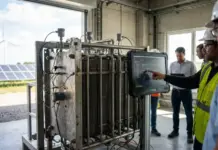
Hydrogen has been an important ingredient for years in the oil refineries and chemical plants in Pernis. It is usually obtained from steam methane reforming, which is not exactly sustainable. With this new pipeline, there is now a chance to replace fossil-derived hydrogen with greener alternatives made through electrolysis. Gasunie is paving the way for more electrolyzer projects and healthy competition in hydrogen production through building a shared transport grid that several producers can tap into. This shared infrastructure accelerates the adoption of environmentally friendly procedures, lowering the carbon footprint of fuel processing and chemical manufacturing instead of requiring companies to restructure their on-site processes.
Linking Offshore Renewable Generation to Industrial Hubs
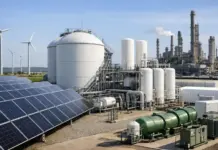
At Maasvlakte, plans are already in the works to use the electricity from North Sea offshore wind farms in order to power those large-scale electrolysers. These facilities can be located at points where high-voltage electricity comes ashore, allowing developers to trim down on transmission losses and modulate hydrogen output to track fluctuations in renewable energy supply. That green hydrogen then will be piped straight to Pernis and the other plants via the Rotterdam pipeline. This decouples electricity generation from real-time demand and enables excess wind energy to be converted to an energy carrier, which is particularly important for hard-to-electrify applications. It also shows how ports can become key platforms for the energy shift, bringing together renewable energy as well as hydrogen production and storage along with distribution.
Market and Regulatory Issues
The emerging hydrogen backbone in the Netherlands reflects broader policy aspirations, at both the national as well as EU levels, so as to achieve climate neutrality by mid-century. But there are a few regulatory obstacles to clear, such as third-party access to the network, tariff arrangements, and who owns what infrastructure, all of which will serve a big role in helping to make the pipeline commercially viable. Gasunie, as a state-owned operator, must balance the books, guaranteeing that independent manufacturers and industrial users get equal access, but also that they get an acceptable return on their investment in infrastructure. The alignment of certification schemes to verify low-carbon hydrogen supply chains will also be key to ensure actual environmental benefits. Collaboration with Belgian as well as German networks will also add to a more integrated European hydrogen market, which will increase liquidity standards and price transparency.
What Lies Ahead
The first 32 km is up and running, and attention is now on extending the Dutch hydrogen backbone and attracting more industrial clusters. Future phases could include conversion of further natural gas pipelines and creation of new corridors to Eemshaven and possible international connections. This pilot project in Rotterdam is a demonstration ground for technical standards, operational practices, and business models for all stakeholders involved.
If all goes to plan, the pipeline could kick-start a regional hydrogen economy, linking renewable energy zones and import terminals as well as heavy industry. In the end, the project demonstrates the potential of hydrogen as an adaptable energy carrier and a vital component of decarbonization strategies throughout Europe.