

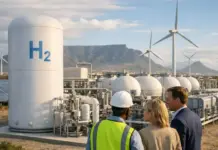

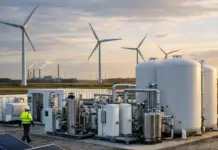









The Horizon Europe project BROMEDIR succeeded in proving two new technologies when it comes to measuring hydrogen and jet fuel quality, which is indeed a major step forward in the development of more dependable and effective energy systems.
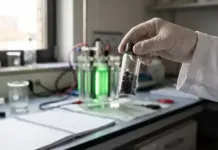
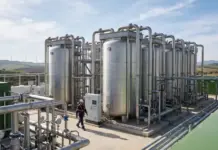
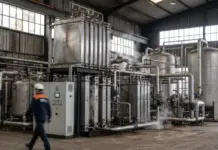
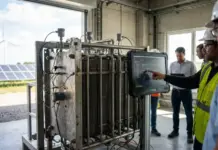
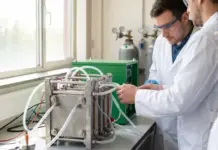
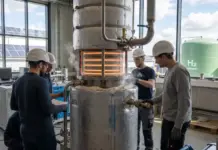
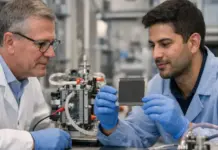
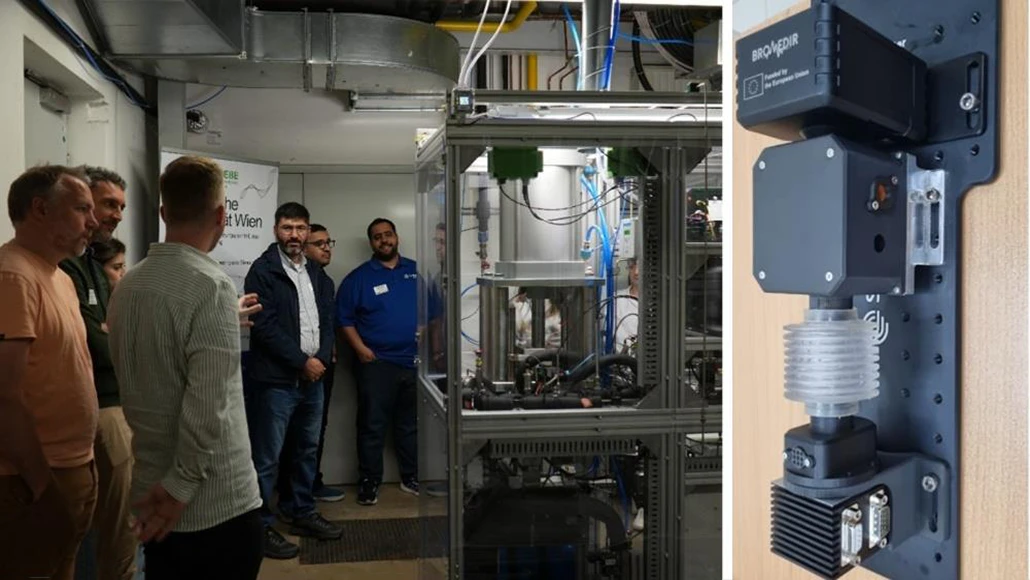
The hydrogen demonstration had been carried out by TU Wien together with the research groups of Prof. Bernhard Lendl as well as Prof. Michael Harasek. The teams combined photothermal spectroscopy with a hydrogen separator-compressor system, resulting in a fully integrated and functional setup that can track the hydrogen and jet fuel quality and that too in real time.
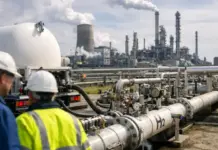
The system was very sensitive, and it was able to detect even trace levels of impurities when it comes to hydrogen. This is an important attribute, because hydrogen quality characteristics may differ during production and transport, and even small contaminants may affect safety and performance. The results show that sophisticated sensing can be directly integrated into hydrogen processing systems, making it possible for continuous and robust tracking.
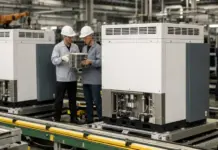
In parallel, a second demonstration focused on jet fuel quality control, employing a compact Micro-Electro-Mechanical Systems (MEMS) which was based on a Fourier Transform Infrared (FTIR) spectrometer. The system was specifically designed for the analysis of liquid fuels according to practical conditions and was successfully verified in operation. The measurements were found to be comparable to well-established laboratory instruments proving the accuracy of the approach.
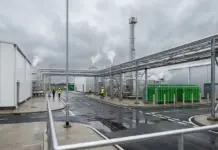
These results demonstrate the potential for direct monitoring of hydrogen quality along with fuel composition at the point of use, allowing for early identification of impurities, rapid decision-making, and a substantial improvement in terms of security and reliability throughout energy systems.
BROMEDIR is a Horizon Europe program-funded project with the Grant Agreement No. 101092697 having 9 partners from Austria, Belgium, Cyprus, France, and Germany as well as Poland. The objective of the project is to develop a new generation of compact, high-performance spectroscopic platforms that are tightly coupled with cloud-based intelligence and verified in real operational settings in agriculture and energy as well as industrial monitoring.