









Green Hydrogen Is Heading to a Historic Mining Site
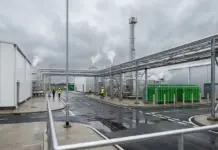
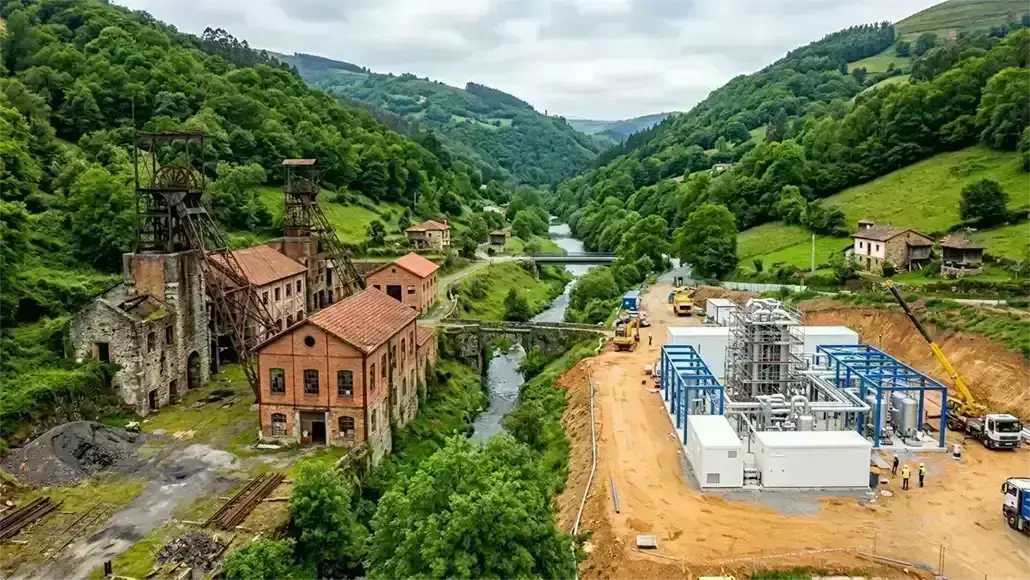
In the very heart of the Nalón valley, there’s a fascinating change in the air. A former coal mine is set to start a new life as a green hydrogen hub. The local council recently approved the Special Plan for Pozo Fondón, freeing up more than 22,000 square meters of land previously used for mining for this cutting-edge energy project. For a place that has been all coal, all the time, this decision is more than just a checkmark; it sends a loud and clear message that the clean energy era is coming home. The Mine-to-H2 consortium, led by Grupo HUNOSA, is now prepared to proceed with plans to build the first large-scale green hydrogen project in Asturias.
What’s Next?
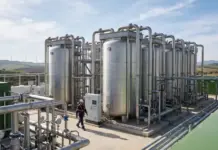
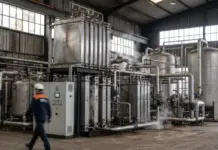
The Mine-to-H2 project in Spain is planning a 2.5 MW green hydrogen manufacturing plant with the capacity to expand to 5 MW. This facility is going to employ renewable electricity and mine water as its primary component. The project involves a multidisciplinary team and has a financial plan of 18 million euros, half of which is funded by the Research Fund for Coal and Steel of EU. You have the engineering experts at Duro Felguera, the regional developer Hyren, transport giant ALSA Grupo S.L.U., gas distributor Nortegas Green Energy Solutions, and the academic brains from the University of Oviedo as well as Poland’s GIG-PIB.
On the regulatory side, they already have the water-use rights from the La Nalona mine workings, with authorizations in place from the Confederación Hidrográfica del Cantábrico as well as the national ecology ministry.
Transforming Coal Legacies to Electrolysers
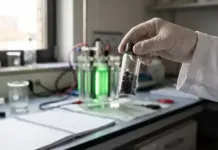
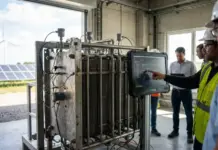
The Mine-to-H2 project in Spain is based on electrolysis technology that uses treated mine water. Rather than depleting local rivers or aquifers, this system strategically recycles drainage from abandoned mine tunnels, turning an environmental problem into a resource. After water is pretreated to remove fragments and minerals, it flows into the stacks of an electrolyzer, where an electrical current splits the water into oxygen and hydrogen. Not only will the whole process make green hydrogen, but it will be fuelled entirely by renewable electricity, part of which is expected to be produced from a solar farm on-site. In addition, the design is very flexible so the facility can ramp up production based on the needs of local industries, heating systems, as well as transportation needs.
But hold on, there’s more – this project features clever heating. The present District Heating Pozo Fondón network already manages to circulate geothermal mine water as well as heat from biomass to neighbouring buildings effectively. They are improving system efficiency while decreasing fuel consumption by collecting the heat produced throughout the electrolysis process with heat exchangers. This synergy demonstrates how hydrogen infrastructure can operate in conjunction with heating networks and could be replicated in other regions seeking to maximize their electrolytic processes.
Solar power to the rescue in formerly mined land
The consortium also has plans for a committed solar power plant on renovated land that was previously open-pit mining sites between Mieres and Langreo, to lock in a dependable renewable power supply.
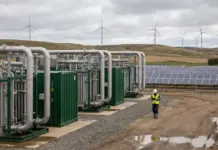
The idea is to put solar panels on this reclaimed land. This would generate alternating current that could be routed to the electrolyser or into the local grid by means of power purchase agreements. Utilizing former mining sites for photovoltaic arrays not only avoids land-use conflicts but also is a circular approach, transforming lands damaged by coal mining into fields of clean energy.
Perhaps the most stimulating part of the initiative is the mobility demo. ALSA will put two hydrogen interurban buses into service from the Pozo Fondón facility, where one will have a fuel cell electric drive and the other will be retrofitted to utilize hydrogen via a combustion engine. Fuel cell buses will produce electricity on board by reacting hydrogen with air, and the only emission will be water vapor. The combustion engine bus will use current technology to burn hydrogen, resulting in lower CO2 emissions and better control of NOx. To maintain this flow of mobility, the site will also include facilities for compression and storage as well as refueling so fleets remain ready to hit the road.
With Strategic Investment and Policy Help
The monetary support of 9 million euros from the EU’s RFCS shows high trust in the potential of making hydrogen from mine water. The remainder of the funding originates from consortium members and regional authorities, establishing a strong investment profile that could help overcome early-stage difficulties. The project will target hard-to-decarbonize sectors that typically depend on grey hydrogen and will inject its results into the local gas grid via Nortegas Green Energy Solutions. This opens up various revenue streams, such as industrial sales and heating credits, as well as contracts for transport services with ALSA.
When it comes to the regulatory front, progress has been steady. Planning is well advanced with a favorable strategic environmental review by local authorities, and the latest municipal approval has defined the land use required to obtain building permits. This is a good example of collaboration at the municipal, regional, and national levels. Allowing mine water use has set a key precedent for the ecology ministry and river basin authority, demonstrating that regulatory clarity may speed up complex energy transitions.
The Mine-to-H2 project in Spain is also a component of the broader picture for the Asturias H2 Valley and Spain’s overall industrial decarbonization push. It’s an attractive test case to turn coal resources into sustainable alternatives across Europe. This mine-water electrolysis method could be adapted by other old mining areas, connecting hydrogen production with district heating or industry demands. The operational insights and data from Pozo Fondón, in terms of water chemistry, electrolyser effectiveness, grid connections, etc., can be an invaluable resource for future projects.
What’s Coming Next?
The consortium hopes to have the project operational by late 2027, with detailed engineering work beginning right away. Next steps include completing procurement of the stacks, completing grid connection agreements, and refining refueling protocols for the bus fleet. Involving the local community will be key to handling construction noise and securing public support for hydrogen projects. Managing costs will involve squeezing the supply chains for electrolysers, compression units, and safety equipment, but early cooperation between partners will likely bring some benefits there.
Asturias is indeed leading the way in decarbonization, repurposing a coal mine into a multi-purpose green hydrogen hub with district heating, solar, and hydrogen transport. This endeavor is a prime example of the way in which the integration of traditional industries with modern technology can accelerate the transition to energy while safeguarding industrial skills. If it works, Mine-to-H2 might set off more investment in sustainable energy systems, which would help to cement the role of hydrogen in reaching zero-emission targets through the old mining heartlands of Europe.