

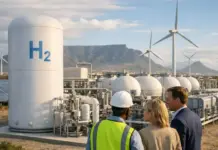

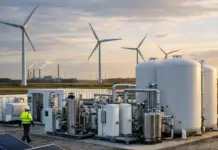
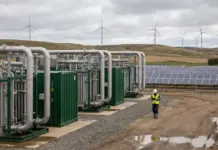

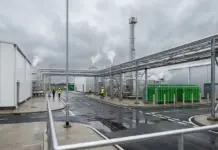





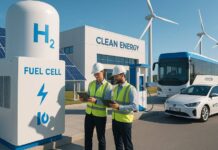
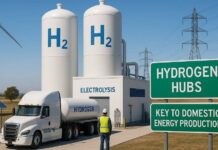

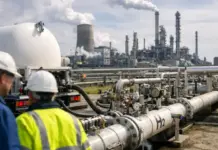
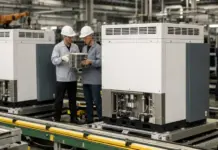
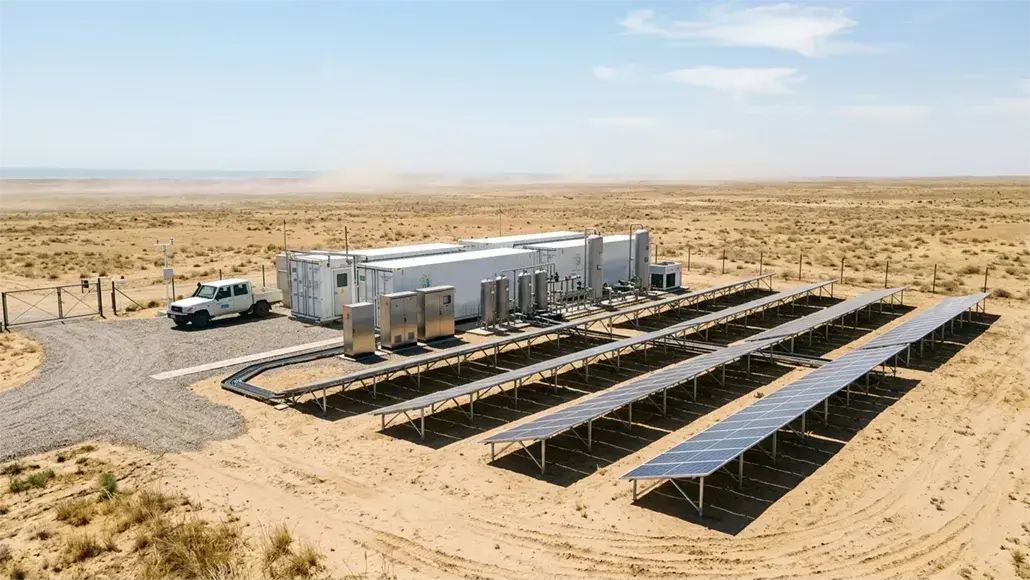

KMG Engineering, the technical arm of KazMunayGas, has recently launched its first full-cycle pilot green hydrogen project in Kazakhstan at their Atyrau branch. This one is in a heavily oil-laden region near the Caspian Sea, and it combines a 200 kW solar power plant, along with a sophisticated containerized electrolyser, and some local hydrogen consumption for heat and power. It is also a live research platform where they are evaluating advanced storage and hybrid solutions.
This is indeed a pretty exciting milestone, as for the first time all these pieces are working together in Kazakhstan – be it renewable energy generation or green hydrogen production as well as hydrogen storage, and it does lay the groundwork for a robust hydrogen infrastructure plan spanning Central Asia.
- At the Atyrau lab, the pilot has a 200 kW PV array with 336 modules in collaboration with Green Spark, generating electricity fed back to the grid.
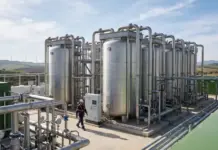
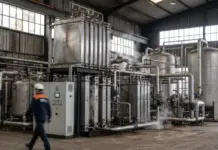
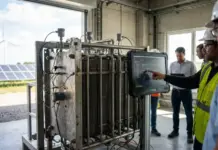
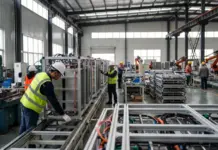
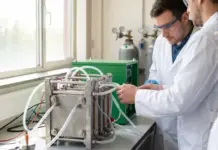
- They have built a cool containerized electrolyser that converts solar energy into hydrogen by splitting water. It allows testing under various load scenarios and intermittent power generation.
- The hydrogen produced is utilised on-site to power thermal boilers along with backup generators – hence replacing diesel as well as natural gas to determine how it performs as far as real-world industrial settings are concerned.
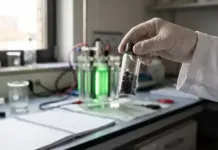
- Dr Saule Zholdayakova is conducting research in titanium-iron metal hydride beds that will be able to retain and discharge hydrogen at non-extreme conditions.
- A useful Digital Hydrogen Atlas brings together both wind and solar resource maps with access to the grid and water availability so as to help identify where green and blue hydrogen can indeed be most competitive.
It is worth noting that the Atyrau pilot is a small variant of a decarbonised energy hub combining all of these elements – generation, production, storage, as well as actual use. Instead of looking at electrolysers or lab systems in isolation, engineers can monitor the interplay of solar energy variations, management of storage, and end-user demands. This is the sort of information that is all too frequently absent from stand-alone research efforts.
Technical Highlights
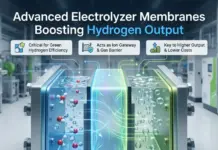
This solar field is a powerhouse with a capacity of 200 kW, generating approximately 300 MWh per year due to the high irradiation levels in western Kazakhstan. The direct flow of current produced is fed to an AC/DC converter, and the electrolyser has priority when the cost of solar energy is lower than the cost of grid energy. The containerised proton-exchange membrane – PEM electrolyser was operated at various current densities ranging from 0.5 to 2 A/cm². This flexibility allows the teams to measure energy consumption they are currently using around 55–60 kWh for every kilogram of hydrogen produced against the best in the business. They have real-time sensors for cell voltage, water purity, as well as hydrogen pressure. Remote-control software modifies stack temperatures to optimize performance throughout peak solar hours.
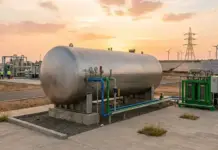
Notably, hydrogen is stored in metal hydride vessels of titanium-iron alloy, which can take in as much as 1.5 weight percent of hydrogen at moderate pressures, which is 20-30 bar, and normal temperatures. When the demand for hydrogen increases, the hydride beds are heated with thermal jackets so as to release the gas back at 5-10 bar, which is sent to fuel cells or burners.
Initial testing suggests these materials can withstand many cycles with minimal wear, which bodes well for continuing work on pilot projects. Researchers are also testing the hydride storage in opposition to compressed gas storage at 35 bar in order to see the trade-offs in density along with safety.
Strategy Context
KazMunayGas has stressed that hydrogen and other alternative energy technologies are crucial to its long-term decarbonization strategy. This corresponds to the ambition of Kazakhstan to achieve carbon-neutral status by 2060. The company is evaluating the full production loop at an industrial site to explore the means to retrofit their conventional refineries and power plants for this novel energy source. Apparently, hosting the International Hydrogen Energy Seminar held in Atyrau also shows their intent to attract foreign partners along with technology transfer. From a policy perspective, the Digital Hydrogen Atlas offers investors and regulators helpful insights into where both green and blue hydrogen could flourish, supporting grant programmes and tender designs. The Energy Ministry is working on regulations for hydrogen tariffs and safety standards, while the Finance Ministry, on the other hand, is looking at incentive programs in order to attract the technology for electrolyser production.
Interestingly, outside of KMG, research centers including Nazarbayev University, are looking into their own green hydrogen projects, signalling the existence of a nascent domestic innovation ecosystem. Private companies, such as Green Spark, are installing solar arrays and building local supply chains, whereas international development agencies are looking at Kazakhstan as a possible supplier when it comes to clean hydrogen and ammonia for markets across Europe and East Asia.
Viewpoint
Introducing pilot green hydrogen project in Kazakhstan at an active petroleum research facility in an oil-producing region may as well seem symbolic rather than practical, but there are certainly some tangible benefits. In this semi-arid region, engineers are learning about water management, dealing with dust on solar panels and developing safety guidelines in terms of handling hydrogen. The data-driven strategy of the Digital Atlas has the potential to reduce risks in the site selection process and to direct investments towards the most promising areas. Meanwhile, their work on storage addresses some of the most significant obstacles to hydrogen logistics.
Still, there are hurdles to this leap. The transition from a 200 kW pilot project to megawatt-scale electrolysis needs resilient supply chains for electrolyser stacks and catalysts, along with storage materials. Water availability is a different sticking point, particularly if hydrogen is intended in case of heavy industry or ammonia synthesis. Investment in pipelines or compressor stations will be critical to create longer-term markets, and the regulatory environment around tariffs and standards is still evolving.
In the future, the utilisation of electrolysers could be greatly expanded by coupling onshore wind and solar energy. The Atyrau project in combination with modular units for ammonia synthesis could go on to form a unique export product to supply the growing demand in Europe and East Asia for clean ammonia as fuel or for fertilisers. Feasibility studies show that the Mangystau region could be among the best in the world when it comes to multi-gigawatt green ammonia production, however real-world data on water consumption, hydrogen storage techniques, and hybrid renewables from Atyrau will yield key insights for those larger projects.
Ultimately, the Atyrau pilot shows that cracking the economics of hydrogen is not just about big numbers but also about understanding the subtleties of control systems, keeping solar arrays clean amid dusty environments.
Kazakhstan is translating lofty policy goals into hands-on procedures, step by step, establishing a solid framework for its hydrogen visions.