









If you have browsed clean hydrogen news or dug into the latest on hydrogen energy, you might as well have observed that the hydrogen scene in the UK and Ireland frequently felt a tad all over the place. There are three solo artists: Scotland, due to its offshore ambitions Ireland, with its targeted regional efforts and the UK, with its North Sea strategy. All of them grooved to their own beat. There are some exciting developments in May 2026, though!
Hydrogen Scotland, Hydrogen Ireland as well as the Hydrogen Energy Association have all entered into a three-way agreement to align their operations, share knowledge on the production of hydrogen, infrastructure and storage, and organise three major events in Westminster, Edinburgh as well as Dublin.
From MoUs to a Trilateral Pact
Now, the fact is that all of this did not happen overnight. A couple of years ago, a trade group from Scotland then known as the Scottish Hydrogen & Fuel Cell Association went ahead and signed a MoU with Ireland’s nonprofit group in order to collaborate in boosting clean hydrogen projects. Shortly after, the Hydrogen Energy Association of the UK went ahead and published its yearly State of the Hydrogen Nation report, examining the mood of the industry and the form of policy. Data for the 2025 edition was contributed by people from both the Scottish as well as Irish associations, emphasising a common theme potential is there however, there needs to be clearer policy direction. This common understanding set the stage for a strong partnership to move ideas to action.
Conferences that are coordinated turn out to be Catalysts
The HEA is leading the UK and Ireland hydrogen platforms with its annual conference in Westminster, which is going to focus on energy security and low-carbon hydrogen growth as well as decarbonisation. This will be followed by the Hydrogen Scotland Conference, which is going to bring together developers, public bodies and academics to demonstrate the offshore green hydrogen production capabilities of Scotland. The celebrations will finally draw to a close in Dublin with Hydrogen Ireland, in which voices from either end of the border will come together so as to discuss regional clusters, reused pipelines and storage solutions. These occurrences will be aligned in their agendas to cover everything ranging from the fundamentals of hydrogen production processes to standard infrastructure obstacles and funding for projects.
Technology Trends and Manufacturing Ambitions
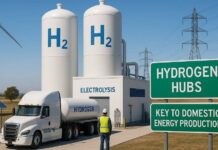
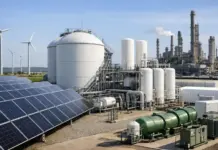
The UK has committed to generating as much as 10 GW of low-carbon hydrogen by 2030, by means of electrolysis utilising North Sea wind and reforming natural gas with hydrogen enabled through carbon capture, utilisation and storage. On the other hand, Ireland is aiming for a minimum of 2 GW of offshore wind for green hydrogen production. In these industry sessions, all will identify how to make these ambitious targets profitable projects.
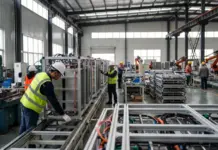
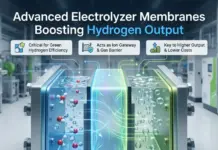
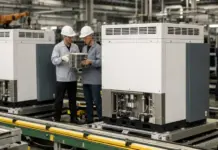
Discussions on how to scale up electrolyser production while lowering costs will be on the agenda, and CCUS panels will address capture rates along with supply chain readiness. This is a welcome move from one-off experiments towards working together in order to make hydrogen production work on a larger scale.
Cross-Border Infrastructure along with Storage Construction
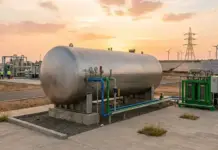
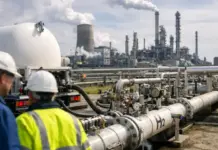
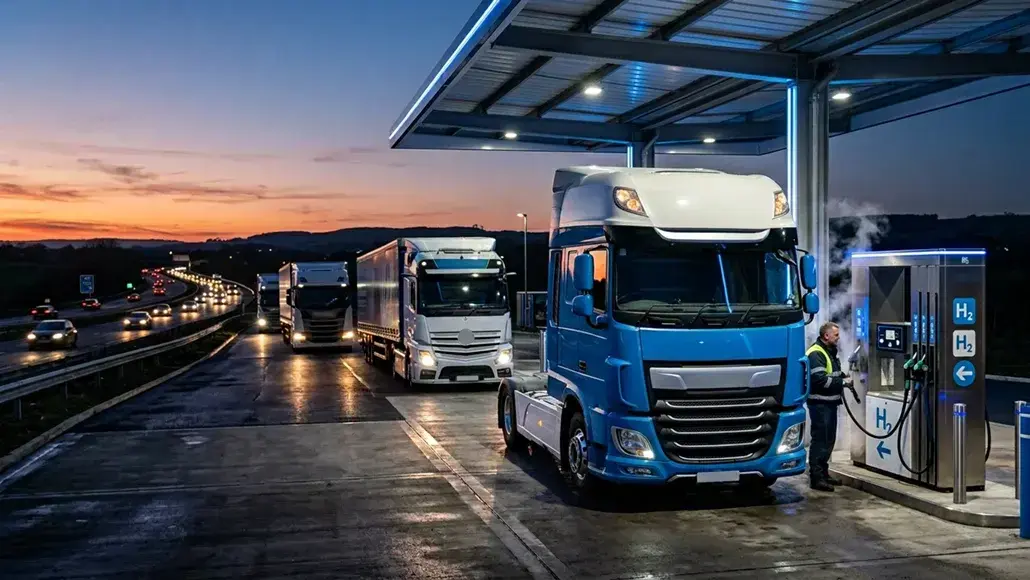
The long-term promise of hydrogen is based on reliable pipelines, options for storage, and refuelling networks. Scotland’s abundant salt mines are prime locations for large-scale hydrogen storage, whereas old gas lines of Ireland might connect coastal electrolyser hubs with the industrial clusters. The events will map possible corridors, set safety requirements and look at combining limits in current gas grids. Delegates will be told about topics including standard compression technology and blending thresholds along with logistics, from hydrogen refuelling stations for heavy transport to virtual pipelines that connect Irish ports to the UK markets.
Towards bankable projects and policy transparency
Project developers frequently cite off-taker hazards and policy ambiguity as key challenges. The three associations anticipate that by joining together forces, they can urge authorities to lay out support schemes, be it by way of contracts for difference, dedicated levies or even setting low-carbon hydrogen benchmarks. The financing hydrogen projects workshops are going to bring a team of financiers as well as legal experts to break down credit structures along with term sheets. Clean hydrogen offtake agreements will also be an important subject with stakeholders looking for long-term contracts for industrial decarbonization, power balancing, and even hydrogen-powered vehicles.
Energy Safety and Regional Leadership
However, it is not just about cutting emissions this partnership is also a strategic decision. A powerful hydrogen value chain may safeguard the region from petrol price volatility and make it more energy independent. Together, these three hope to get more traction in European discourse about certification, trade rules, and cross-border infrastructure standards. It is a signal that hydrogen news is more than just about tech. It is also about geopolitics, supply-chain resilience, as well as the race for clean-energy dominance.
Next Steps?
This series of joint conferences is more than just a good-looking brand. It is about setting up a continuous feedback cycle the findings from the State of the Hydrogen Nation study will drive debates in panels and subsequently deliver fresh suggestions back into policy consultations. You can see the agendas and watch as hydrogen storage methods, production targets, and infrastructure blueprints change. The real challenge will be to translate those big discussions into real ribbon-cutting ceremonies just think about new electrolyser factories setting up, storage caverns being built, and cross-border pipelines being filled with low-carbon gas.
So, if one needs a reason to seek one of these events, here is a big one it is indeed the first time the UK and Ireland hydrogen platforms have evolved beyond one-off collaborations to something more long-term and more organised. The fact is that if one wants to get involved in project pipelines or stay ahead of the curve on the next generation of hydrogen infrastructure possibilities, these are the conferences where one should be at.