











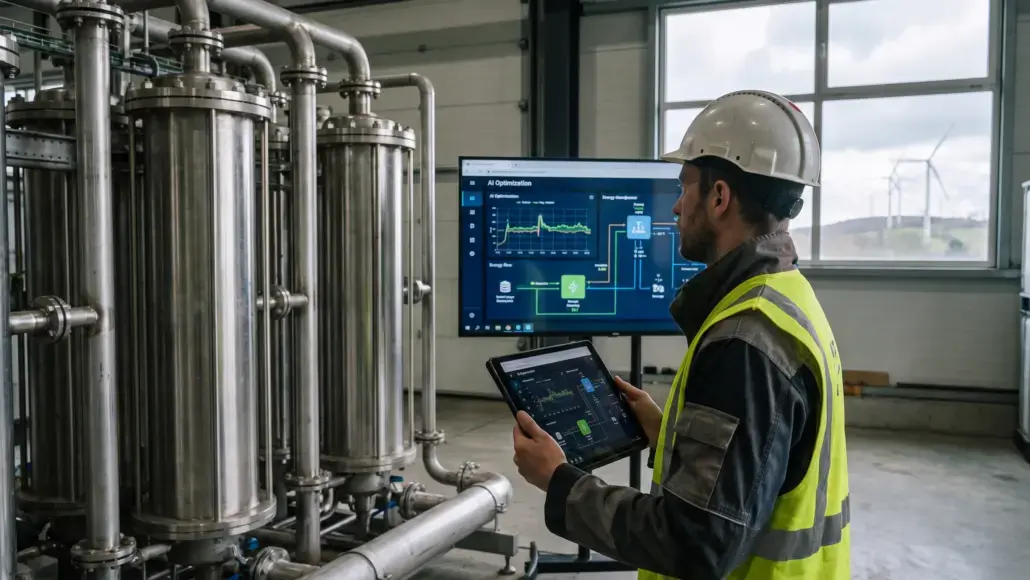

As the global energy landscape undergoes a tectonic shift toward sustainability, green hydrogen has emerged as a cornerstone of the future decarbonized economy. However, the primary barrier to the widespread adoption of hydrogen is its production cost, which is inextricably linked to energy efficiency. Water electrolysis is an energy-intensive process, and even marginal improvements in thermodynamic performance can result in significant economic gains. In this context, AI Improving Hydrogen Plant Energy Efficiency is not merely a technical objective but a financial imperative. By integrating machine learning and advanced optimization algorithms, hydrogen producers are now able to squeeze more value out of every unit of renewable electricity, paving the way for a truly competitive clean fuel market.
Efficiency in a hydrogen plant is a multi-layered concept, encompassing electrochemical conversion, power electronics, thermal management, and balance-of-plant operations. Traditional control systems, while reliable, are often too rigid to handle the dynamic and non-linear nature of large-scale electrolysis, especially when powered by intermittent sources like wind and solar. AI systems, by contrast, excel at managing this complexity. They can process thousands of data points in real-time to adjust operational parameters, ensuring that the entire facility operates at its peak efficiency regardless of external conditions. This holistic approach to energy management is redefining what is possible in the realm of clean energy production.
Optimizing Power Conversion and Rectifier Performance
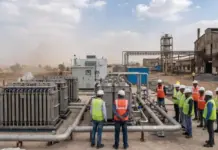
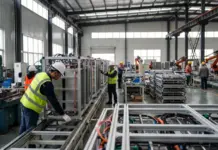
The journey of energy within a hydrogen plant begins with the conversion of high-voltage alternating current (AC) from the grid or renewable sources into the stable direct current (DC) required by the electrolyzer. This conversion process, handled by massive rectifiers and transformers, is a significant source of energy loss due to heat and harmonic distortions. AI Improving Hydrogen Plant Energy Efficiency involves the use of machine learning models to optimize the switching frequencies and control strategies of these power electronics. By predicting the load requirements of the electrolyzer stacks, AI can modulate the rectifier output to minimize conversion losses, often improving overall system efficiency by 2% to 5%.
Furthermore, AI algorithms can mitigate the impact of electrical harmonics on the grid. In large-scale plants, the high-power draw can cause significant electrical noise, which not only wastes energy but can also damage sensitive equipment and lead to grid instability. Advanced AI-driven controllers can actively filter these harmonics, ensuring a “cleaner” power profile. This not only saves energy within the plant but also reduces the auxiliary power needed for cooling the electrical infrastructure, creating a virtuous cycle of efficiency that lowers the overall operational expenditure.
Dynamic Load Matching for Intermittent Renewable Energy
One of the most significant challenges in green hydrogen production is the mismatch between the variable output of renewable energy and the steady-state requirements of traditional electrolyzers. When a cloud passes over a solar farm or wind speeds drop, the electrolyzer must quickly adapt its power draw. AI Improving Hydrogen Plant Energy Efficiency plays a critical role here by utilizing sophisticated weather forecasting and grid data to predict these fluctuations minutes or even hours in advance. This allows the plant to proactively ramp production up or down, avoiding the energy-intensive “cold starts” that plague older systems.
By using reinforcement learning, AI can determine the optimal ramp rates for each electrolyzer stack, balancing the need for gas production with the desire to maintain the highest possible efficiency. For example, some stacks may perform better at partial loads, while others are more efficient at full capacity. The AI controller can intelligently distribute the available renewable power across the fleet, ensuring that the overall energy consumption per kilogram of hydrogen produced is minimized. This dynamic optimization is essential for maximizing the utilization of “curtailed” renewable energy, which would otherwise be wasted.
Advanced Thermal Energy Recovery and Management
Electrolysis is not 100% efficient a significant portion of the input energy is converted into waste heat. In a standard facility, this heat is simply dissipated into the atmosphere via cooling towers, representing a massive loss of potential energy. AI Improving Hydrogen Plant Energy Efficiency involves the integration of smart thermal management systems that capture and repurpose this low-grade heat. Machine learning models simulate the thermal gradients across the plant, identifying opportunities for heat exchange that a human operator might overlook.
One innovative application is the use of Organic Rankine Cycle (ORC) systems, which can convert waste heat back into electricity to power auxiliary systems like pumps and compressors. AI optimizes the operation of these ORC units, ensuring they run at their maximum thermodynamic efficiency based on the current temperature of the electrolyzer coolant. Additionally, captured heat can be used to preheat the feed water for the electrolyzers, which lowers the electrical energy required for the chemical reaction. By treating heat as a valuable resource rather than a waste product, AI helps to close the energy loop within the plant.
AI-Optimized Compression and Storage Strategies
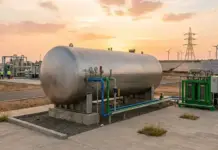
Once hydrogen is produced, it must be compressed for storage or pipeline injection, a process that can consume up to 15% of the total energy input of the plant. AI Improving Hydrogen Plant Energy Efficiency addresses this by optimizing the multi-stage compression process. Machine learning algorithms analyze the real-time efficiency of each compressor stage, adjusting the inter-stage pressures and cooling rates to minimize the work of compression. By predicting the demand for hydrogen, the AI can also determine the most efficient storage pressure, avoiding over-compression and the associated energy waste.
Furthermore, AI can manage the “filling” cycles of high-pressure storage tanks to minimize heat generation. When gas is compressed rapidly, its temperature rises, which increases the pressure and makes further compression more difficult. AI-driven filling strategies use pulse-width modulation of the inlet valves to allow for natural cooling during the fill cycle. This reduces the energy load on the plant’s cooling systems and ensures that the storage tanks are filled to their maximum capacity with the least amount of energy expenditure.
The Impact of AI on Auxiliary Load Reduction
Beyond the primary production and compression systems, a hydrogen plant consumes significant amounts of energy for auxiliary services such as lighting, HVAC for control rooms, and sensor networks. While individually small, these loads can add up to a substantial portion of the plant’s baseline energy consumption. AI Improving Hydrogen Plant Energy Efficiency includes the implementation of smart facility management systems that use occupancy sensors and environmental data to optimize HVAC and lighting. For example, AI can predict when a control room will be vacant and reduce the cooling load, or adjust the exterior lighting based on the actual solar irradiance.
In the area of sensor networks, AI can manage the duty cycles of low-power IoT devices. Instead of sensors transmitting data every second, the AI can dynamically adjust the sampling rate based on the stability of the plant. When the system is operating steadily, the sampling rate is lowered to save energy when an anomaly is detected, the frequency increases to provide high-resolution data. This intelligent orchestration of auxiliary loads ensures that the plant’s “parasitic” energy consumption is kept to an absolute minimum, further driving the overall efficiency of the facility.
AI-Driven Water Management and Purification Efficiency
Water is the primary feedstock for hydrogen production, but it must be purified to an extreme degree to prevent electrode fouling and membrane degradation. The deionization and reverse osmosis processes required for this purification are themselves energy-intensive. AI Improving Hydrogen Plant Energy Efficiency extends to these water treatment systems by optimizing the filtration cycles and chemical dosing. By analyzing the quality of the raw water supply in real-time, AI can adjust the pressure and flow rates of the purification units to ensure that only the necessary amount of energy is used to reach the target purity levels.
Moreover, AI can optimize the recycling of water within the plant. The oxygen produced during electrolysis carries away significant amounts of moisture, which is usually vented. AI-controlled condensers can recover this water and return it to the feed stream, reducing the load on the primary purification system. This not only saves energy but also makes hydrogen production more sustainable in water-scarce regions. The synergy between water and energy management, orchestrated by AI, ensures that the plant’s environmental footprint is minimized across all dimensions.
Smart Grid Interaction and Demand-Side Management
In a modern energy ecosystem, a hydrogen plant does not exist in isolation it is a vital part of the smart grid. AI Improving Hydrogen Plant Energy Efficiency involves turning the facility into a flexible load that can respond to grid signals. During periods of low demand and high renewable generation, the AI can scale up production to “soak up” excess energy at low costs. Conversely, when the grid is stressed, the plant can reduce its load, acting as a virtual power plant. This demand-response capability is managed by AI algorithms that balance the plant’s production targets with the economic incentives offered by grid operators.
By participating in these grid services, hydrogen plants can significantly reduce their effective energy costs, making the produced hydrogen more affordable. The AI system uses predictive analytics to choose the most cost-effective times to produce, store, and compress hydrogen. This level of economic and energetic optimization is only possible through the high-speed processing and pattern recognition capabilities of artificial intelligence. As we move toward a grid dominated by renewables, the role of AI-managed hydrogen plants as stabilizers will be crucial for global energy security.
The Path to Autonomous Energy Excellence
The ultimate evolution of energy efficiency in the hydrogen sector is the fully autonomous, self-optimizing plant. We are moving toward a future where AI systems not only manage the day-to-day operations but also learn from every hour of production to refine their own models. This “self-healing” and self-improving capability will lead to a continuous decline in energy consumption per unit of output. AI Improving Hydrogen Plant Energy Efficiency is a journey, not a destination, and each iteration of the software brings us closer to the theoretical limits of physics.
As the industry scales to meet the demands of the 2030s and beyond, the integration of AI will be the primary differentiator between profitable projects and those that struggle to compete. The transparency, precision, and adaptability provided by AI are the keys to unlocking the full potential of green hydrogen as a clean, efficient, and abundant fuel for the world. By investing in these intelligent systems today, we are ensuring a more resilient and sustainable energy future for generations to come.