















Vema Hydrogen and First Atlantic have gone ahead and collaborated on nickel-cobalt mining so as to create low-cost engineered hydrogen production for the clean energy goals of Canada.
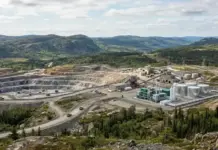
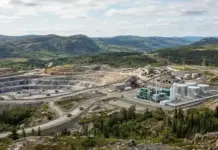
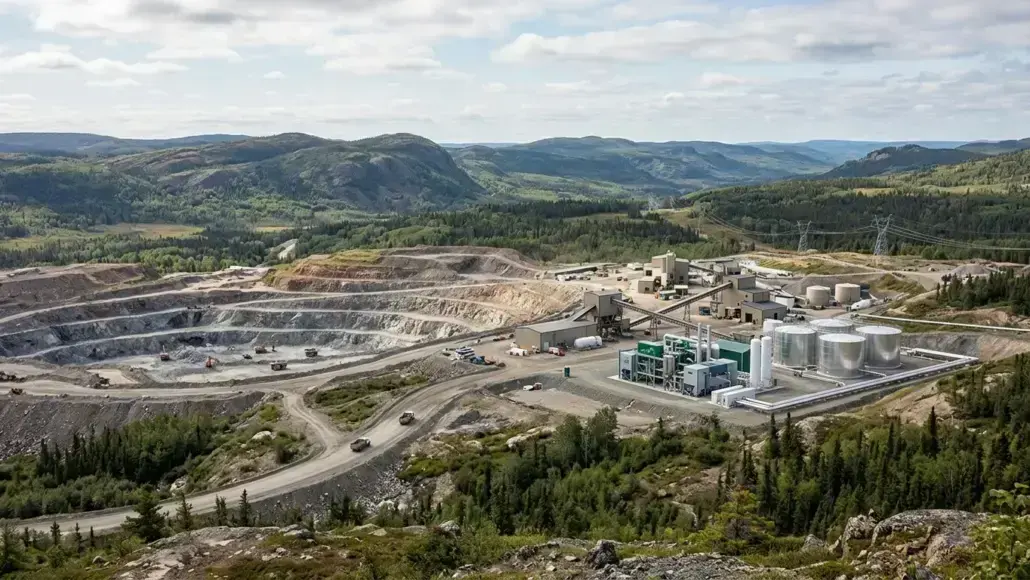
Apparently, Vema Hydrogen and First Atlantic Nickel & Cobalt Corp. have entered into a non-binding Letter of Intent – LOI to form a 50/50 joint venture. The collaboration will see the parties jointly create Engineered Mineral Hydrogen – EMH at First Atlantic’s Pipestone XL project, which is a significant 30 km ultramafic belt in Canada’s central Newfoundland. The partnership will see low-carbon hydrogen produced in parallel to the core business of First Atlantic of awaruite nickel-cobalt extraction.
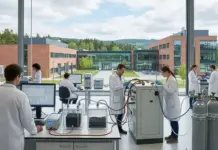
Interestingly, the Pipestone XL project is located in the Pipestone Ophiolite Complex, which is a geologic formation that is rich in ultramafic rock. Due to the natural occurrence of serpentinization, a geochemical reaction during which hydrogen decreases nickel and iron, leading to the formation of awaruite, this complicated process is considered to be optimal for EMH production. The process shows a naturally hydrogen-rich system that can be stimulated by technology from Vema so as to generate hydrogen. Laboratory testing of rock samples from Pipestone, performed at Vema’s facilities in France, demonstrated the possibility for hydrogen production via stimulated serpentinization, based on Vema’s experience with the first EMH project in the world at Quebec.
It is worth noting that low-cost engineered hydrogen production initiative has substantial economic and industry-specific repercussions. Engineered mineral hydrogen technology by Vema could as well generate clean energy at a scale that rivals conventional hydrocarbons, possibly at less than a $1 per kilogram cost, with no dependence on grid electricity. The Pipestone XL project is anticipated to achieve cost efficiencies by co-locating hydrogen production with nickel and cobalt mining.
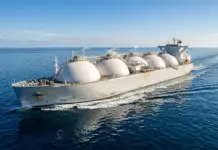
Clean energy for regional industries and access to seaborne export markets are other anticipated advantages from the project. The alliance aims to be a first mover when it comes to coupling hydrogen production with critical mineral development at ultramafic sites and could draw other co-located investments in clean fuels, ammonia, and various other downstream industries.
The project strengthens North American critical mineral security from a geopolitical as well as a critical minerals standpoint. The primary focus of First Atlantic at Pipestone XL is the discovery and creation of awaruite, a naturally produced nickel-iron-cobalt alloy consisting of approximately 77% nickel.
Sulphur-free awaruite removes the requirement for energy-intensive and environmentally challenging smelting or acid leaching processes usually associated with other types of nickel ores, streamlining the supply chain for essential sectors like electric vehicles, stainless steel, and aerospace as well as defence. The Pipestone Ophiolite Complex contains a predicted abundance of potential hydrogen sufficient to satisfy the industrial demand for generations at Newfoundland.
Recent advances go on to include First Atlantic having received a supplemental exploration license from the government of Newfoundland and Labrador. The permit allows for the injection of water into the conventional wellbore and the continuation of drilling to progress the stimulated geologic hydrogen effort, establishing a clear path ahead for the EMH project. The logistical advantages of the project for future development are also enhanced by the closeness of current infrastructure such as year-round road access and hydroelectric power.