




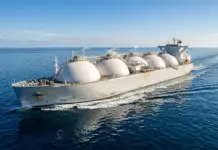



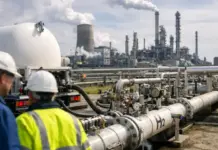
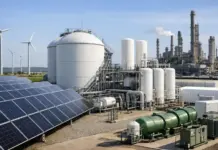
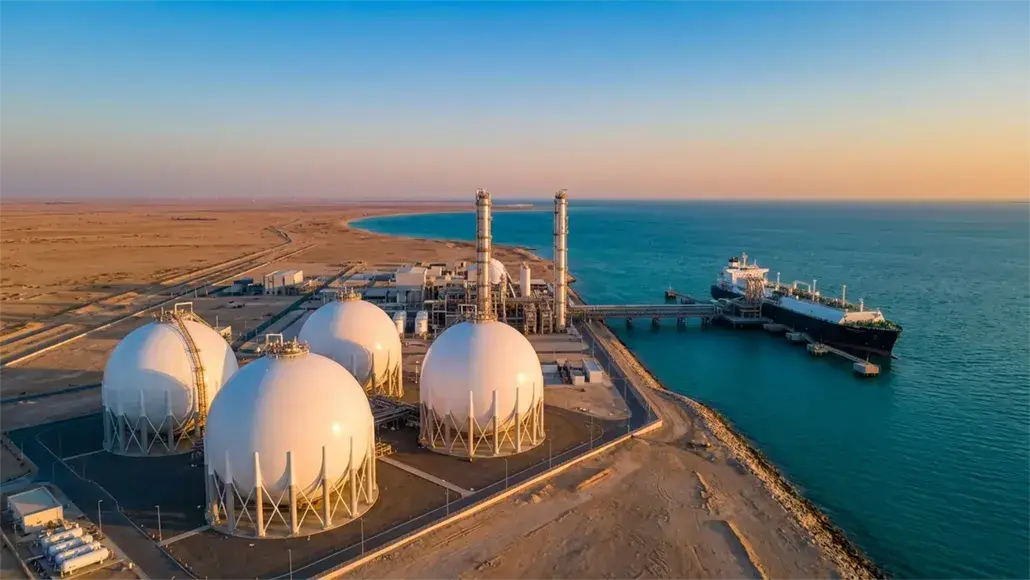

The potential for an ambitious Oman-Europe liquid hydrogen corridor between the Port of Duqm in the Sultanate of Oman to the Port of Amsterdam in the Netherlands and into Germany and more broadly across Europe gained a further boost recently with EcoLog an important stakeholder in the transcontinental initiative declaring a collaboration with Kawasaki Heavy Industries from Japan in order to assist with the development of a liquefied hydrogen – LH2 supply chain.
The two companies will work together to facilitate secure transport of liquid hydrogen from production plants, especially Duqm in Oman, according to a strategic partnership signed at the World Hydrogen Summit 2026, which was held in Rotterdam.
The involvement of Oman in the Liquid Hydrogen Corridor project was initially announced in April 2025 in a state visit of His Majesty Sultan Haitham bin Tarik to the Netherlands. The highlight of the meeting was the execution of a Joint Development Agreement – JDA by 13 European and Omani businesses and organisations pledging to carry out the corridor initiative.
The project is set to help with the export of RFNBO-compliant liquid hydrogen from the Port of Duqm and other production sites in Saudi Arabia and Spain as well as Brazil to the Port of Amsterdam and prominent logistics centers in Germany, such as the Port of Duisburg, for subsequent dispatch to European markets.
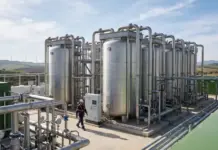
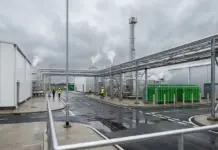
A major player in this logistics chain is EcoLog, which has begun preliminary work on a first-of-its-kind hydrogen import terminal located at the Port of Amsterdam. The EcoLog Terminal Amsterdam is designed as an open-access terminal for large-scale hydrogen import, distribution and storage for Northwest Europe, connecting manufacturing centers to industrial users. The first phase of the terminal is scheduled to be finished by 2030 end.
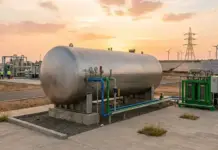
According to the foundational Joint Development Agreement JDA which was signed in 2025, the Port of Duqm is expected to be designated as the site of a significant hydrogen liquefaction, storage and export terminal. OQ, the integrated Omani energy group, will build the liquefaction and export infrastructure, whereas the orchestrator of Oman’s green hydrogen sector, Hydrom, is going to be responsible for the coordination of upstream production.
The facilities are expected to capitalise on the renewable hydrogen projects and strategic location of Duqm so as to support the national hydrogen ambitions of Oman alongside the transcontinental corridor.
Sophie Hermans, the Dutch minister for climate and green growth, also reviewed the Dutch partnership with Oman in the Oman-Europe Liquid Hydrogen Corridor along with additional hydrogen projects.
According to her in a post, “During the summit, I also spoke with Germany, Denmark, Oman and South Africa, among others, about international cooperation in the field of hydrogen. Several international agreements were also signed, including a letter of intent between Kawasaki and EcoLog for the transport of liquid hydrogen from Oman to Amsterdam, among others. With our ports, industry and energy infrastructure, the Netherlands is in a strong position to become an international leader in hydrogen. With the first kilometres of the network, we are demonstrating that we are not only talking about the hydrogen economy of the future but actively building it.”