

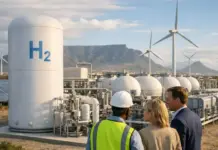

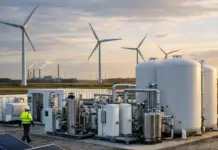















It’s rarely you see an oil refiner creating a major impact in renewable energy, but that’s exactly what North Atlantic Refining Corp. is accomplishing with its innovative plan to take advantage of the power of mighty coastal winds to produce green hydrogen.
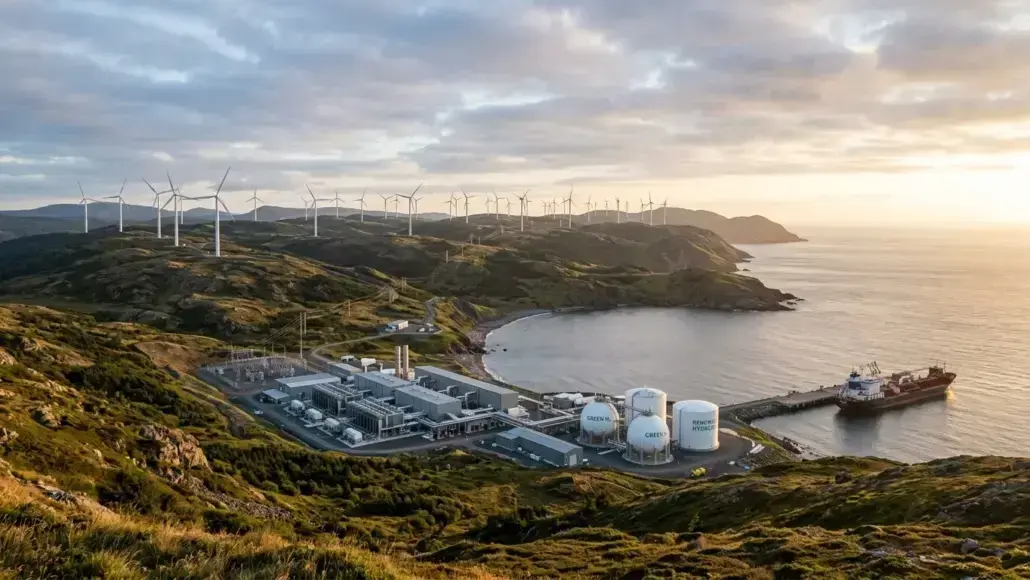
Let’s talk of the Avalon Isthmus Green Energy Project. This is an ideal project, comprising a 324 MW wind farm, having 45 turbines near Sunnyside, paired with state-of-the-art electrolysis as well as hydrogenation facilities at the existing Come By Chance terminal.
They have gone ahead and cleared a major hurdle now that they have been given an environmental assessment authorization from the Government of Newfoundland and Labrador, and they are indeed looking at a final investment decision early 2027.
Green Hydrogen from Wind
Let’s get to the essence of what drives the Avalon Isthmus project. Apparently, anchoring the project is a 324 MW onshore wind farm having 45 ultra-efficient turbines well suited to the cool, steady winds of Newfoundland. Rather than delivering that power to the grid, the output of the farm is laser-focused on powering a hydrogen generation plant. The plant is targeted to produce almost 30,000 tonnes of green hydrogen every year. The clever design, which connects renewable generation directly to electrolysis, promises better efficiency while at the same time contending with fluctuations without burdening the public grid.
Building on Existing Industry Clusters
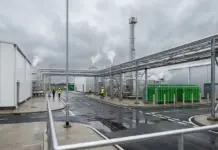
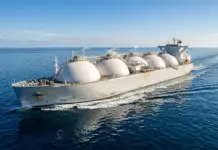
It is worth noting that one of the real benefits of this project is its link to the long-standing Come By Chance terminal. The deep-water port and refinery, which has operated ever since the 1970s, is expected to accommodate a hydrogenation plant with a capacity of about 60,000 tonnes of hydrogen per year. The North Atlantic may capitalize on global commodity markets and transport low-carbon fuels on existing infrastructure for crude oil exports by converting hydrogen to carriers such as ammonia at the site of use. That saves on new port costs and accelerates the project schedules.
A Cornerstone of Newfoundland and Labrador’s Strategy
The Avalon Isthmus initiative is a good fit with the Newfoundland and Labrador Hydrogen Development Action Plan. The province has a treasure trove of wind resources, a lot of Crown land available, and is ideally situated for transatlantic exports. The project presents the province of Newfoundland an opportunity to diversify its energy mix, offer jobs in Sunnyside and Come By Chance, and lock in its position in the worldwide clean energy supply chain.
Clearing the Field
Consider when the Newfoundland wind-to-hydrogen project started. There were many proposals vying for Crown lands. A few developers on the Port au Port Peninsula as well as in central Newfoundland ran afoul of land reservations cancelled for unpaid fees or failure to progress. This is why the recent regulatory approval for this project is such a huge win. It’s one of the few projects that continues to go through environmental assessments and public participation, setting a bar for the province’s hydrogen ambitions. The trend is a sign of the government’s more cautious approach toward distributing land and shows that speedy implementation and financial commitment can win support.
Regulatory Milestone Reached
After months of detailed studies and community consultations, the province recently issued a long-awaited environmental evaluation approval for North Atlantic’s wind-to-hydrogen project. But this milestone is over a box-ticking exercise, sending a clear signal to investors and stakeholders that the regulators are pleased with their strategies concerning wildlife protection and noise management as well as land-use impacts. Plus, it separates Avalon Isthmus from certain other stalled wind-to-hydrogen proposals that failed when land reservations were revoked.
Developing a Green Energy Hub
Interestingly, Avalon Isthmus is the first of a series of wind-to-hydrogen clusters emerging around Placentia Bay and Trinity Bay, as part of the more comprehensive North Atlantic Green Energy Hub. Company representatives say the hub might ultimately produce as much as 90,000 tonnes of green hydrogen annually, but they are still assessing the feasibility of that target. North Atlantic plans to cluster these projects together to maximize shared infrastructure, from transmission corridors to export terminals, that will help reduce expenses and accelerate production. If it all pans out, this hub could as well go on to make the industrial corridor in Newfoundland a major player in the worldwide clean energy market.
Technical Roadmap to Production
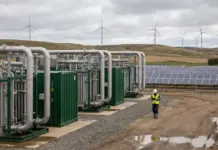
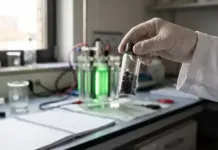
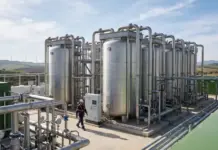
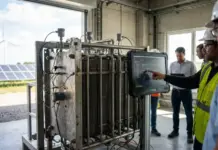
The idea is to link the turbines on the tech side of things via dedicated gearbox lines to large-scale electrolysers. These machines are used to separate water into hydrogen and oxygen and to compress and dry the hydrogen for storage or processing. The electrolysers are built to modify production according to fluctuating wind conditions, and the system has limited grid backup options to allow the steady flow of hydrogen even when the wind is not blowing. This integration provides important insights for the management of variable sources of clean energy in the continuous production of green hydrogen.
Confronting Economic and Market Obstacles
But let us be honest. There are some economic and market hurdles to get over. That 324 MW wind farm, along with a 30,000 tpa electrolysis plant as well as a 60,000 tpa hydrogenation facility, won’t be cheap. The project’s success will depend on signing a long-term contract of purchase with buyers, most likely in Europe, at competitive prices and with robust carbon policies. North Atlantic is aiming for a choice about investments in early 2027, but factors such as equipment costs and interest rates as well as market demand will be key to determining the final financing package.
Environmental and Community Considerations
While the green hydrogen production could reduce lifecycle emissions, the presence of dozens of turbines as well as industrial plants on Crown land cannot be without its local effects. The assessment process includes steps for ensuring the safety of birds and bats, restoring habitat, and controlling noise levels.
Continued community involvement in Sunnyside and Come By Chance is critical, and the emphasis will be on balancing industrial operations with the splendor and cultural significance of the coastal landscape. North Atlantic knows that it is important to keep strong community support so there is no postponement or opposition down the road.
A Real-World Test of Export Ambitions
For Newfoundland, the Avalon Isthmus project is not just a big deal; it is an actual test case for any isolated region hoping to export green hydrogen at scale.
There is a growing market for Canadian exports with Europe’s rising demand for renewable imports as well as net-zero commitments from shipping and heavy industry. If North Atlantic’s hub goes live, it could open the door for additional endeavors across Atlantic Canada, demonstrating how a rare combination of wind resources and industrial infrastructure as well as a strategic location can make for an attractive export proposition.
A Paradigm Shift
North Atlantic Refining’s transition from fossil fuels to green hydrogen is an example of how industrial decarbonization is transforming traditional energy assets. The Avalon Isthmus Green Energy Project is a cutting-edge, real-world solution to the energy challenges of the future, at scale, by pairing a large wind farm along with electrolysis and hydrogenation at a pre-existing terminal. As a leader in Newfoundland and Labrador’s hydrogen strategy, it can open up fresh sources of income, create jobs, and pave the way for exports, hence marking an exciting new era in the province’s energy environment.