



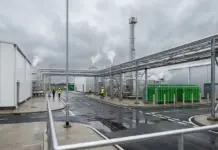



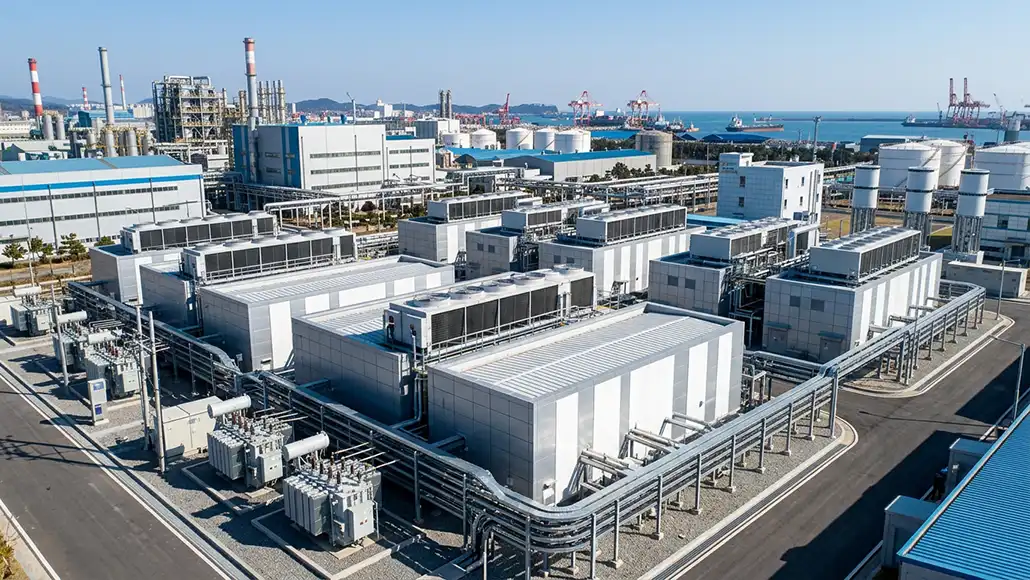

A new 20 MW fuel cell power plant is now commercially operating in Ulsan, on the east coast of South Korea, using by-product industrial hydrogen to generate electric power. A new 20 MW hydrogen fuel cell power plant has started commercial operation using by-product industrial hydrogen to generate electricity in Ulsan, on South Korea’s east coast. SK Gas and Lotte Chemical have put a second 20 MW hydrogen fuel cell power plant into commercial operation based in Ulsan, hence tightening South Korea’s push to turn by-product hydrogen into a steady electricity supply.
SK Gas and Lotte Chemical have commenced commercial operation of their second hydrogen fuel cell power plant in Ulsan, adding yet another 20MW unit to South Korea’s growing hydrogen-based power portfolio. The project was developed by Lotte SK Eneroot, a joint venture established in 2022 by SK Gas and Lotte Chemical as well as Air Liquide Korea to expand hydrogen-related business in the country. The new plant, Ulsan Hydrogen Power Plant No. 1, will be built following Ulsan Hydrogen Power Plant No. 2, which was commercialized in June 2025, and will bring the venture closer to its broader goal of constructing an 80MW power generation complex in Ulsan by the end of 2026.
The new facility has been built on the site of the Lotte Chemical Ulsan complex and is expected to operate for 20 years on by-product hydrogen supplied by an SK Gas subsidiary and Lotte Group chemical affiliates. And that’s the business model here, take hydrogen that was used for lower-value industrial purposes and make it into higher-value electric generation. Lotte Chemical said the first 20MW plant, which began production last year, is expected to produce about 160GWh of electricity a year, enough to power the equivalent of about 40,000 four-person households for a year, giving a sense of the scale these plants are targeting.
Ulsan is becoming one of South Korea’s main hubs for hydrogen power, and the project reinforces that. But it also reflects the current market reality: Korea’s hydrogen power build-out is happening first where there is already industrial by-product hydrogen and where pipelines and large industrial customers make the economics more feasible. That is pragmatic and probably inevitable for the moment, but it is not the same thing as a fully green hydrogen power system. But another 20MW plant coming on line is real progress for an industry that needs operating assets, not new slogans.