






The Head of the Department of Renewable and Sustainable Energy Engineering at Omar Al-Mukhtar University, Tareq Al-Tarhouni, said that Libya is rich in traditional energy sources. Among them are oil and natural gas. Oil is the foundation of the Libyan economy. It is the primary source for national income.
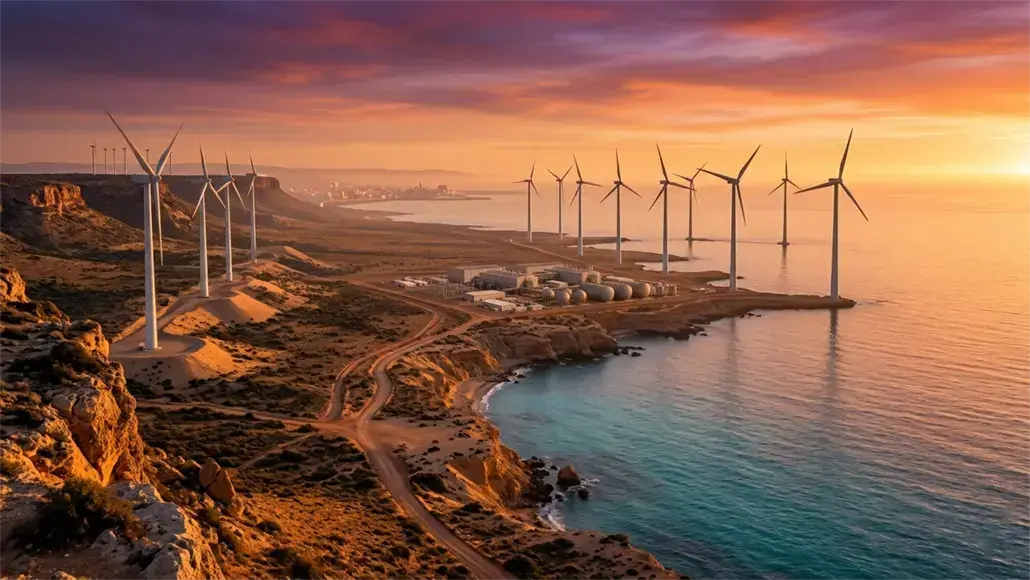
There is tremendous potential to tap solar power and green hydrogen opportunity in Libya. This is mainly solar and wind power. The potential is in its distinctive geographical position. Libya also has a lot of land. It is defined by high solar radiation. The global shift to lower carbon emissions highlights dependence on clean energy. Therefore, the utilisation of renewable energy in Libya ought to be studied. It could help to reduce dependence on oil. Renewable energy could also substitute oil in the years to come.
It is worth noting that solar power is a leading renewable source and hence the reason why it can be a solar power and green hydrogen opportunity in Libya. The country is one of the best in the world in terms of solar potential. Average daily solar radiation is somewhere between 5.5 and 7.5 kilowatt-hours per square metre. Libya enjoys more than 3,000 hours of sunshine every year. This is especially so in the southern regions of Sabha and Ghat as well as Al-Kufra. Libya has been utilizing solar energy for electricity production through the use of photovoltaic cells. It also involves creating solar thermal power plants. Solar power can also be utilised to desalinate water. It can drive agricultural wells. Other uses include air conditioning as well as refrigeration.
In regard to wind power, Al-Tarhouni said that wind speeds are significant in several areas on the Libyan coast. These places are Tripoli and Misrata as well as Derna. The speed varies between 6 and 8 meters per second. They are appropriate for producing electricity. This can be done with offshore along with onshore wind turbines. Libya also has potential for biomass. This, by the way, is less than its solar and wind power capacity. Organic waste and agricultural waste, as well as animal waste, are usable. It can generate biogas, thermal energy and electricity.
Increasing renewable energy projects has many benefits. One of them is to decrease fossil fuel consumption. It reduces the stress on traditional power plants. It additionally minimises carbon emissions that contribute to global warming. It also enhances the stability of the grid.
Interestingly, Libya often experiences regular power outages. Summer has high loads, too. Decentralised solar can bring electricity for distant areas. These areas are hard to connect to the primary grid. Renewable energy has job prospects for youth as well. These consist of design, installation, and maintenance as well as manufacturing. In the future it would be possible to produce silicon and solar cells with high-quality Libyan sands.
But the renewable energy industry of Libya has a number of issues. The principal challenge is the economic dependence on oil. Infrastructure is fragile. The power grid is falling apart, with the absence of research centres and local manufacturing, renewable energy projects are expensive to start with.
Storage systems are also costly. Political division discourages foreign investment. It is also hampered by a lack of regulatory legislation. Another deterrent is poor security and administrative stability. In countries such as Jordan, Egypt, and Tunisia, as well as Morocco, this is not the case. These countries have achieved a lot in this field.
Al-Tarhouni said it was unlikely the world could fully substitute oil with renewable energy by 2035. Libya’s economy is largely dependent on oil revenues. The industry’s structure is based on fossil fuels. Oil is still the main form of hard currency. But renewables can meet a large part of the local electricity needs, he emphasised. They can also cut their fuel use at home. They make you more energetically efficient. In the longer term, between 2040 and 2060, renewables could indeed become a major component of the economy. This means dedicated investment in infrastructure. It additionally calls for the development of green hydrogen projects.
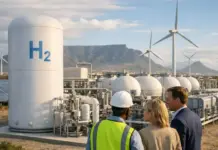
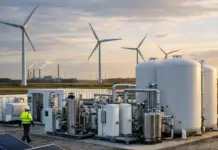
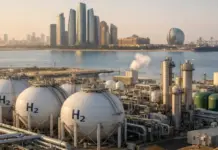
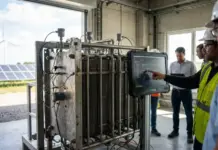
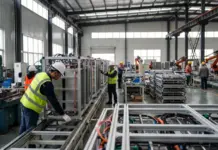
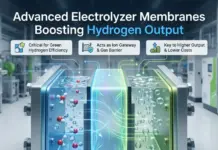
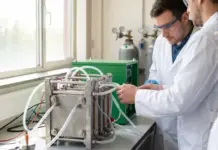
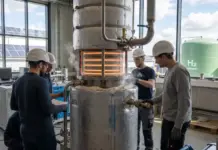
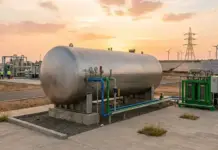
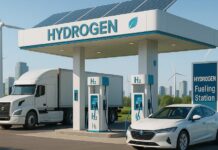
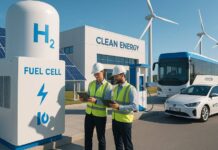
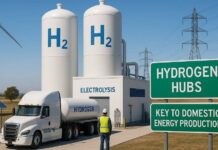
They are in a very good position in Libya, Al-Tarhouni said. It could become a regional hub in solar power and green hydrogen. This is the result of the abundance of solar power. Its vastness and closeness to Europe are also helpful. He thinks green hydrogen will have a role to play in the future, as it will affect transport, heavy industry and sustainable energy exports.
In the end, Al-Tarhouni called for an inclusive national renewable energy policy. He urged the support of residential as well as industrial solar projects. The importance of legislation that is friendly to investment cannot be overemphasised. It is necessary to establish special research centers. Academic and technical programs need to grow, too. In addition, the national electricity grid needs to be modernized. Scaling up green hydrogen projects is also crucial. He insisted that the energy future of Libya is in an energy integration model which has a combination of oil, renewables and green hydrogen. This would diversify the income sources and would guarantee energy security and sustainable growth. It would also minimise emissions to the environment.