









The Kuwait Ministry of Oil, in cooperation with the Arab Energy Organization, held a virtual panel discussion on May 24, 2026 entitled – Key Developments in Hydrogen and Liquefied Natural Gas in order to discuss the most recent worldwide energy developments and the increasing significance of alternative energy sources. During the session, the Director of Public Relations and Petroleum Media at the Ministry of Oil, Sheikha Tamadher Khaled Al-Ahmad Al-Jaber Al-Sabah, said that Kuwait is increasingly concentrating on broadening the use of natural gas when it comes to electricity generation as a strategic plan to boost energy efficiency, boost ecological performance, and optimise fuel consumption.
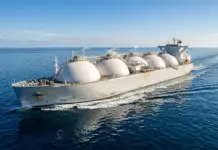
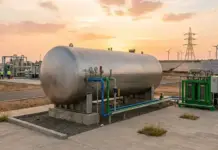
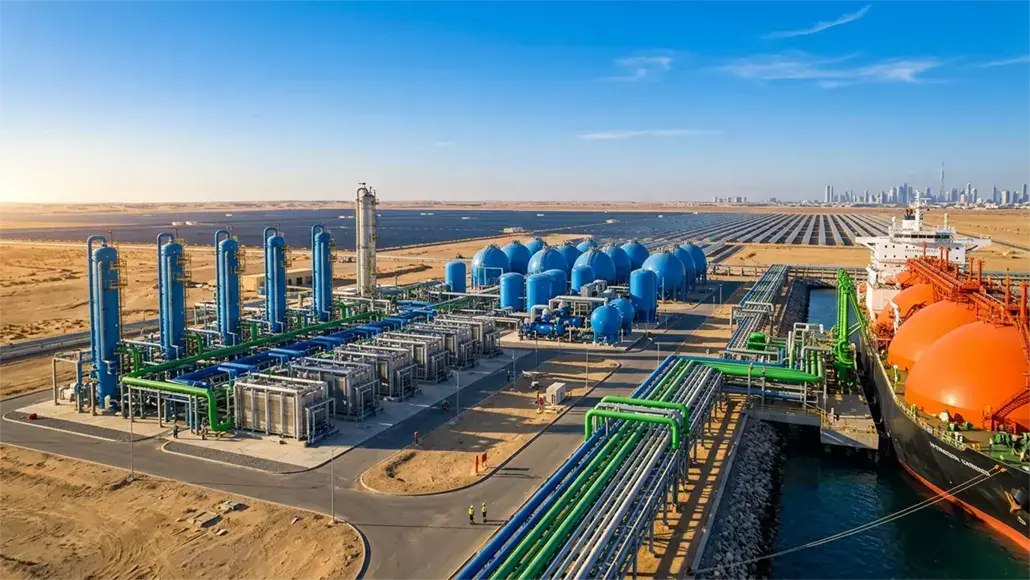
She pointed to the large infrastructure projects that had been completed in the past few years, especially the liquefied natural gas – LNG import infrastructure in the Al-Zour area, which she called a keystone in helping meet Kuwait’s power and water generation needs and enhancing the sustainability and resilience of Kuwait’s energy system.
She said the projects are in line with a rise in domestic consumption for electricity and energy and, at the same time, endorse the efforts of the state to create a more effective and environmentally friendly energy mix, in line with the global shifts in the energy sector.
The ministry reiterated its keenness to support the promotion of knowledge and skills in the domain of energy and maintain tempo with the swift global developments via the exchange of knowledge and experiences between the concerned parties.
As efforts to diversify energy sources, it is essential to enhance supply security and speed up energy transition policies to intensify, key developments in hydrogen among the most important strategic issues worldwide, Sheikha Tamadher Al-Sabah said.
It is well to be noted there were notable structural shifts in the global energy market in the first quarter of 2026, with interruptions in LNG shipments via the Strait of Hormuz, said a gas industry expert, Wael Abdel-Moaty at the Arab Energy Organization. The industry also saw unprecedented investment and contractual activity, fuelled by rising international concern over supply security as well as energy diversification, he said. The United States remained the planet’s top natural gas exporter, growing its market share to about 29%, by capitalising on interruptions to shipments through the Strait of Hormuz, Abdel-Moaty said.
Gas-importing countries have taken a variety of actions to respond to global demand trends and supply variations, he said. Countries such as India prioritised major gas-consuming sectors like household consumption and transportation, and Japan and South Korea eased restrictions on other energy sources such as coal to reduce gas consumption pressure.
He said the European Commission has recommended that stockpiling efforts be carefully managed so as not to add to price pressures.
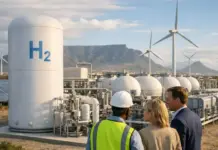
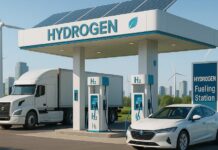
On hydrogen, Abdel-Moaty reported that global political momentum is gathering steam with some 65 countries adopting national hydrogen strategies, accounting for some 85% of the global economy and 80% of global carbon dioxide emissions.
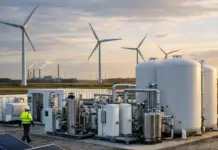
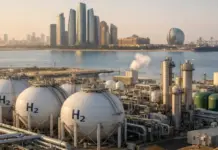
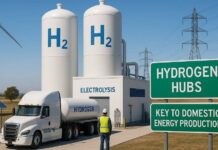
He said that operational capability for low-carbon hydrogen increased to about 2.7 million tonnes per year in 2025 from about 2 million tonnes in 2024. Blue hydrogen makes up most of the operational capacity at present. But he said there still exists a huge gap between the announced plans and actual execution, with projects under construction currently amounting to some 5.5 million tonnes per year versus global ambitions of more than 120 million tonnes yearly. This, he said, reflected a shift in the sector from a period of high confidence to a more realistic phase based on economics as well as long-term contracted demand.
Abdel-Moaty also highlighted increased Arab investments when it comes to low-carbon hydrogen as well as ammonia projects and suggested 2027 could be a major turning point for hydrogen development within the Arab region, with projects being built and those planned for that year. Interestingly, the session was attended by representatives of Water and Renewable Energy, the Ministry of Electricity, the Environment Public Authority, the Arab Energy Organization, as well as students of the College of Engineering and Petroleum – KUNA from Kuwait University.