





















In a recent move, Hyundai Motor Group is extending its hydrogen ambitions to one of the most remote environments in the world, teaming with the South Korean government so as to build a green hydrogen system for Antarctic base having research operations of the country.
On June 18, 2026, the carmaker said it had entered into a memorandum of understanding with the Ministry of Oceans and Fisheries and the Korea Polar Research Institute so as to set up a hydrogen-powered network at the Antarctic research base of South Korea, cutting its reliance on diesel generators.
Interestingly, in Antarctica, research stations are separated from traditional power grids. Diesel fuel is a dependable power source that can run through extreme weather conditions and extended periods of darkness.
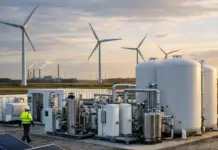
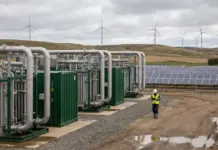
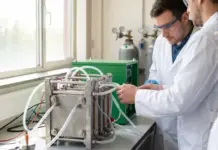
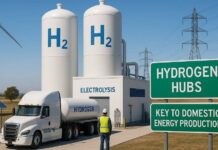
As per the agreement, Hyundai will assist in developing a green hydrogen system for Antarctic base that is an ideal fit for the Antarctic conditions. The project will make use of excess electricity from solar panels so as to produce hydrogen via electrolysis. Then the hydrogen will be stored and thereafter converted back into electricity via fuel cells when solar generation is not enough.
The initiative will go on to create a closed-loop energy system intended to enhance energy security and reduce carbon emissions at the station.
According to Sung Kim, the establishment of a green hydrogen grid in Antarctica is a significant first step in the move by the station towards clean energy. He further added that the project is in line with the broader goals of South Korea when it comes to carbon neutrality.
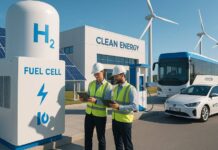
The initiative also provides Hyundai a further chance to showcase the broad range of hydrogen technology in addition to transportation, an area in which the company has made heavy investments with fuel-cell vehicles and commercial mobility applications as well as stationary power systems.
Hwang Jong-woo said that the project highlights commitment by South Korea to preserve the Antarctic environment, in which scientific research is regulated by international treaties with the goal of safeguarding the fragile ecosystem of the continent.
If effective, the project could be a blueprint for rolling out hydrogen-based microgrids to certain other remote areas that have renewable energy resources but limited access when it comes to conventional electricity infrastructure.