











Alparslan Bayraktar, the Turkish energy minister, said BOTAŞ as well as Italy’s Edison S.p.A. signed a MoU on the sidelines of the Istanbul Natural Resources Summit so as to study collaboration on natural gas and LNG as well as a potential hydrogen-compatible pipeline linking both countries, indicating increasing momentum behind the Mediterranean hydrogen infrastructure plans.
The agreement was executed during the Istanbul Natural Resources Summit – İNRES 2026 with the attendance of President Recep Tayyip Erdoğan, Azerbaijan Energy Minister Perviz Shahbazov, Energy Minister Alparslan Bayraktar, as well as a number of top regional energy officials.
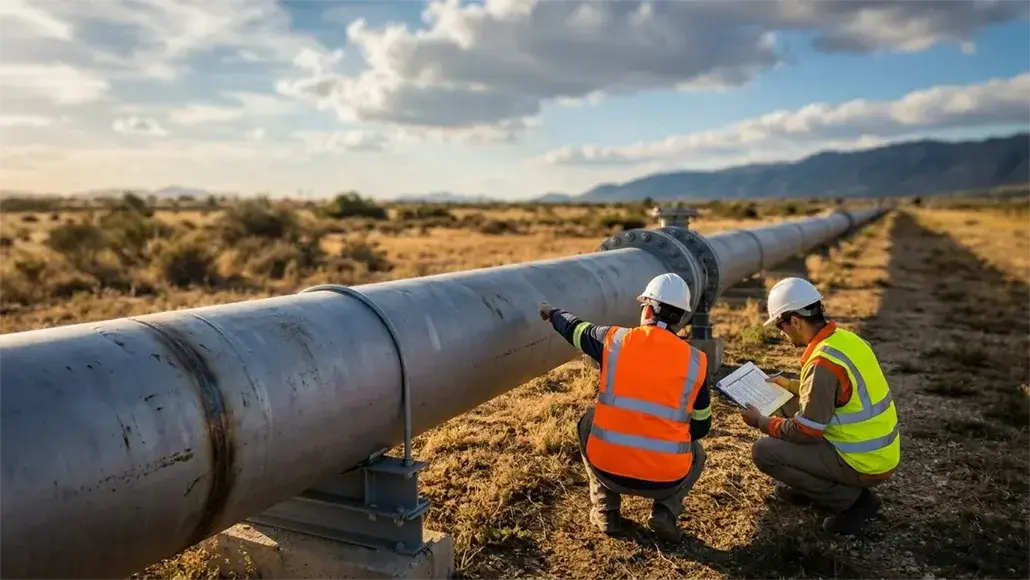
Edison and BOTAŞ will additionally set a joint working group in order to evaluate the technical, commercial as well as regulatory viability of a potential hydrogen-ready interconnector between Türkiye and Italy.
BOTAŞ said, “Within the scope of the agreement, natural gas and LNG supply opportunities will be evaluated, as well as joint commercial opportunities. Through the creation of a Joint Working Group (JWG), the technical, commercial and regulatory aspects of a potential hydrogen-compatible pipeline between Turkey and Italy will also be analysed.”
It is well to be noted that the talks are part of a wider trend throughout Europe and the Mediterranean to progressively review prevailing gas infrastructure for potential hydrogen transport as governments try to avert stranded fossil-fuel resources while maintaining energy safety.
Turkey already plays a strategically crucial part in European gas supply via major transit systems, including the Trans Adriatic Pipeline – TAP – which transports Azerbaijani gas into southern Europe through Greece as well as Albania prior to arriving in Italy. That larger regional infrastructure network might someday serve as the basis for a hydrogen-capable corridor.
When it comes to BOTAŞ, the collaboration is consistent with the long-standing effort by Ankara to expand LNG imports and also diversify its supply routes, in addition to bolstering Türkiye’s position as a regional energy hub that links Europe and the Middle East as well as Central Asia. Edison, on the other hand, remains one of the most active participants in Mediterranean gas trading and LNG procurement, along with cross-border infrastructure development in Italy.
The deal also underscores how hydrogen planning in Europe is shifting progressively from northern industrial corridors to southern imports along with transit routes. Policymakers anticipate the Mediterranean to develop into one of the main points of entry for potential imports of hydrogen and ammonia from the Middle East and North Africa and perhaps even the Gulf region.
Although the project is still in the viability mode, the formation of a formally established working group shows the companies are starting to move beyond just general political statements to comprehensive technical evaluations that include regulation, pipeline compatibility, and commercial demand as well as long-term transport economics.
This is notable timing, as European governments are continuing to search for methods to balance decarbonisation targets with energy safety concerns after years of supply volatility throughout continental gas markets. The growing view is that hydrogen-ready infrastructure is an insurance policy, allowing countries to keep strategic energy corridors operational today while leaving options readily available for low-carbon fuel transport in the near future.