









Jordan has approved an energy strategy for 2025-2035 that includes developing the Risha gas field and green hydrogen expansion of around 500,000 tonnes by 2035.
The cabinet approved the 10-year plan that will direct sector-wide policies, programmes and investments with focus on boosting domestic resources, supporting economic competitiveness and establishing a more adaptable and sustainable energy system, the Energy and Mineral Resources Ministry said.
The Jordan News Agency, or Petra, reported the ministry as saying that gas field and green hydrogen expansion move points out broader regional efforts to improve energy security, minimise import dependence and satisfy rising demand despite volatile global markets.
The strategy also has a goal of 40% renewables in the electricity mix by 2035, with new solar and wind generation capacity, Petra reported.
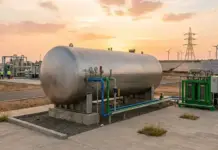
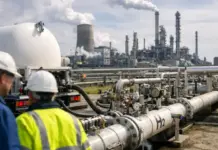
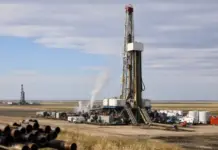
One of the key pillars is the development of the Risha gas field which is expected to produce 418m cubic feet of gas a day by 2029 and almost double to 812m cubic feet a day by 2035.
Authorities also plan to build a pipeline in order to connect the field to the Arab Gas Pipeline, with operations scheduled to start by 2029.
The plan seeks to boost the use of natural gas in industrial sectors, with demand expected to hit approximately 173m cubic feet per day by 2035. Distribution networks will be expanded to benefit residential, industrial as well as commercial users in Amman and Zarqa.
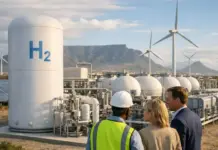
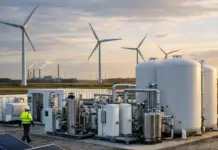
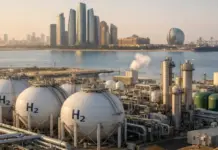
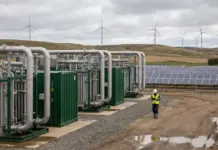
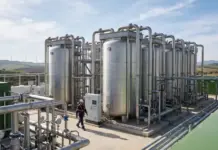
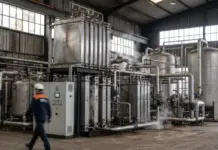
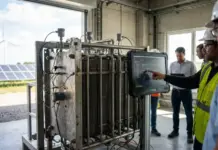
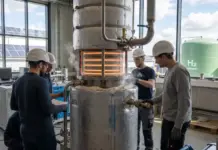
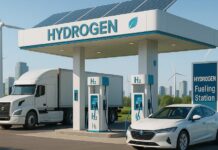
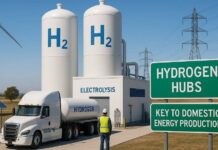
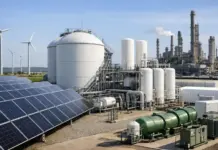
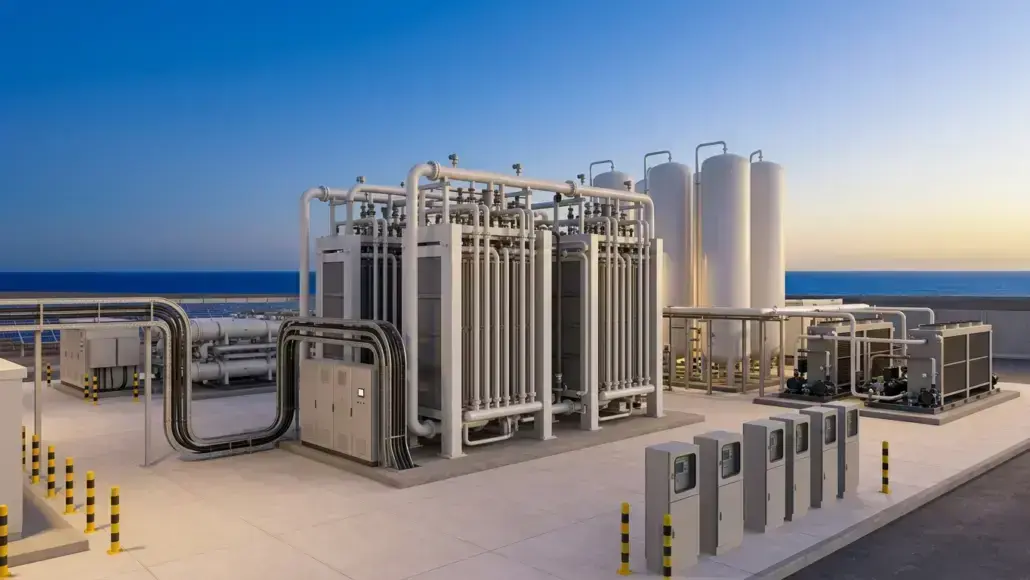
Commercial hydrogen production is anticipated to start by 2030, and increase to around 500,000 tonnes a year by 2035.
The strategy seeks to satisfy rising electricity demand by scaling up combined-cycle power generation between 2027 and 2030 and deploying energy storage solutions, such as battery systems, along with pumped-storage projects.
Officials also want to decrease electricity losses to 8pc by 2035, boosting efficiency across the grid.
On the demand side, reforms include the introduction of time-of-use tariffs through all sectors by September 2026 so as to help control consumption and lower peak loads.
In transport it is backing a move to cleaner energy with electric vehicles predicted to account for 60pc of new annual car sales
Total EV numbers to be about 500,000. Compressed natural gas will also be a player, especially when it comes to heavy vehicles.
The approach aims to strengthen self-reliance through a greater role for domestic natural gas and renewable energy, all while enhancing the dependability of the kingdom’s energy sector, the government said.
Jordan’s approach parallels regional efforts to balance energy security and cleaner power.
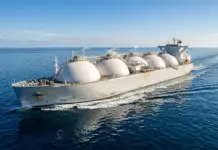
Gulf economies are diversifying energy systems, with Qatar growing liquefied natural gas capacity and targeting more solar power, the UAE expanding renewables by 2030 and targeting net zero by 2050, while Saudi Arabia aiming to have renewables supply roughly 50% of electricity by 2030.