

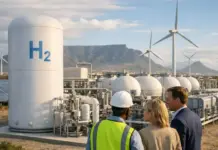

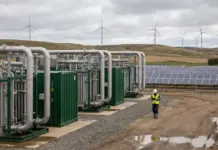
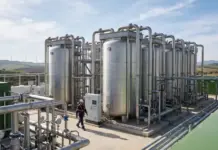
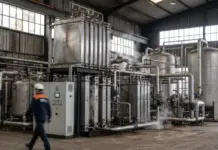
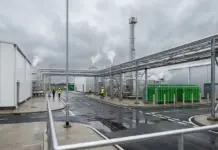


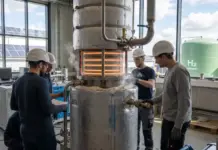
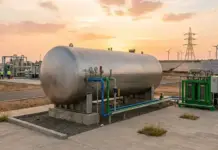
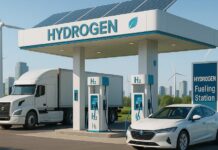
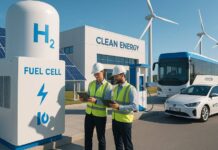
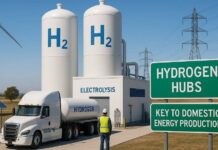
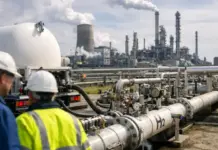
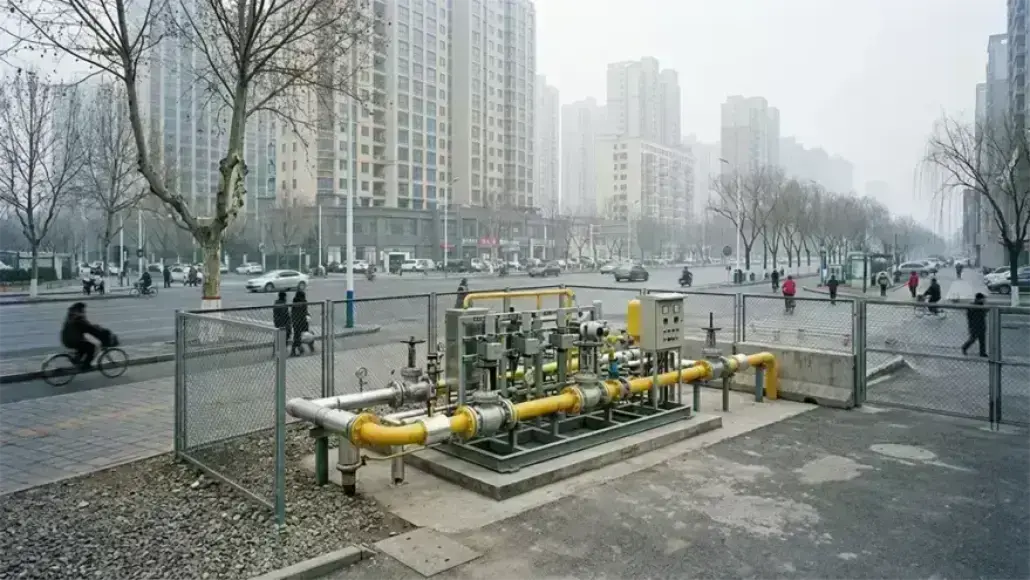

In May 2026, the Weifang Hydrogen Blending Pilot in Shandong Province will be China’s first-ever hydrogen blending trial. It will blend up to 10% hydrogen into the existing natural gas network that serves some 100,000 households. This all fits into China’s new Energy Law 2025, which for the first time officially defines hydrogen as an energy source and feeds directly into the country’s dual-carbon goals of peaking emissions by 2030 and achieving carbon neutrality by 2060. One example of this is the Shandong hydrogen project, which proves that hydrogen can be blended into the domestic fuel supply without tearing up pipelines and, in doing so, makes a real impact by decarbonising while allowing you to continue using your cooker and boiler as normal.
Hydrogen Blending into Everyday Energy
The beauty of Weifang Hydrogen Blending Pilot is the simplicity of it – mix hydrogen directly into the old network so families don’t have to purchase new gear. The chemistry of blending hydrogen along with natural gas means those tiny H₂ molecules slide in next to methane, cutting carbon intensity with every cubic meter. Regulators and appliance makers have given the thumbs-up for a mix of up to 10% by volume sufficient to make an impact without knocking performance or safety out of the window. Operators in Weifang can adjust pressure and flow on the fly, keeping the heat on even as the demand surges, while emission levels quietly decrease behind the scenes.
Meeting Real-World Household Energy Requirements
For Weifang’s people, the change will be almost invisible – healthier air and a smaller carbon footprint. No new knobs to learn, no tech upgrades, and the same cooking and heating as well as hot-water routines. Early signs indicate that hydrogen-rich petrol burns more cleanly than straight methane, resulting in fewer nitrogen oxide emissions as well as fresher air in those tightly packed neighbourhoods. It’s a pragmatic solution for cold winters when energy consumption can spike.
Since the pilot involves an entire city district, it offers a clear blueprint for scaling throughout Shandong and beyond.
Environmental and Economic Advantages
Yes, cutting household CO₂ is the main attention, but the economics are looking sweet, too. Estimates show that hydrogen made through renewable-powered electrolysis could cut emissions by a whopping 65–96% compared to coal-made H₂. And it’s not all spreadsheets and numbers. Local workshops are turning out blending modules and valves as well as tracking gear, creating new jobs for pipeline techs and maintenance crews. In short, the Weifang hydrogen pilot is fuelling a mini boom in China’s supply chains for hydrogen energy and at the same time helping to diversify Shandong’s industrial base.
Made in Shandong, Made for the Future of Shandong
One of the best things about this pilot is that it’s local. All the blending hardware, along with security systems, comes from companies in Shandong, so lead times are brief, costs are kept low and tweaks can be made quickly when teams see what works on the ground. Engineers and field crews in the province are getting some real experience, figuring it out as they go.
It’s a real made in Shandong, made for Shandong’s future kind of an approach aimed at building homegrown knowledge in green hydrogen blending and paving the way for repeatable rollouts throughout China.
A framework for broader deployment
The pilot is going so well that it is already attracting interest from neighbouring provinces such as Hebei and Qinghai, which are considering 5% or 7% blends to start. This is fully in line with the national Medium- and Long-Term Hydrogen Plan – 2021–2035, which calls for big ramp-ups in green hydrogen capacity throughout heating, power and transport. And by leveraging current pipeline bones, utilities avoid the steep price tag of constructing brand-new hydrogen lines – lowering barriers as well as speeding adoption.
So, what’s next?
As China races to meet its dual-carbon goals, the Weifang hydrogen pilot is a bright example of how pragmatic innovation can accelerate the energy transition. This Shandong hydrogen project provides a clear path forward, integrating hydrogen into daily life without a complete overhaul of infrastructure, reducing carbon footprints at the household level and creating local jobs. Energy Law 2025 is paving the way for hydrogen-natural gas blending so as to move from pilot to mainstream, changing the way millions heat their homes quietly, cleanly, and effectively.