


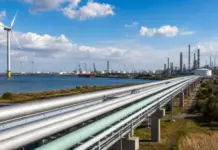

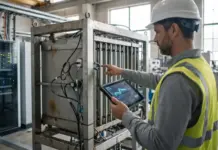
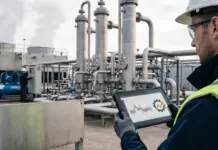

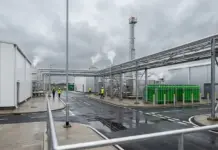


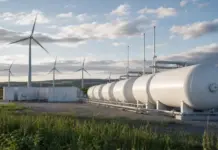
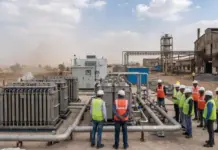





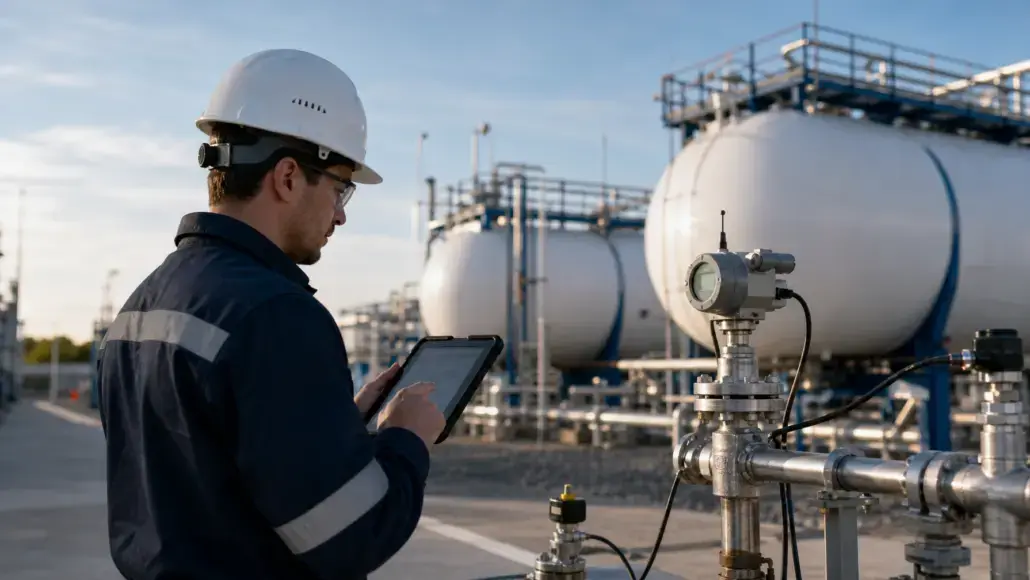

The safety and reliability of hydrogen storage facilities are paramount to the success of the global energy transition. Because hydrogen is a colorless, odorless, and highly flammable gas, detecting leaks at the earliest possible stage is critical for preventing accidents and minimizing fuel loss. Digital monitoring systems, powered by the Internet of Things and artificial intelligence, offer a solution for tracking the health of storage assets in real time. These systems utilize a network of advanced sensors to provide continuous visibility into the status of tanks, valves, and pipelines, allowing operators to respond to anomalies before they escalate into serious incidents. As the scale of hydrogen storage infrastructure grows, the integration of these digital tools is essential for maintaining public trust and operational excellence. The deployment of these systems represents a significant step forward in industrial safety management.
Beyond safety, digital systems also plays a key role in optimizing the performance of storage facilities. By collecting and analyzing vast amounts of data on pressure, temperature, and gas composition, these systems can identify inefficiencies and predict when maintenance is required. This transition from reactive to predictive maintenance reduces downtime and extends the useful life of the infrastructure. The implementation of digital twins, or virtual replicas of the physical assets, allows for sophisticated simulations and stress testing in a safe digital environment. These innovations in monitoring technology are fundamental for the secure and efficient management of the thousands of tons of hydrogen that will soon be stored in underground caverns and surface facilities around the world. The shift toward data driven asset management is a defining trend in the energy sector.
Advanced Sensor Technologies for Hydrogen Gas Detection
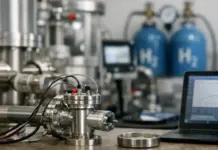
The first line of defense in any leak detection system is the sensor network. Traditional gas sensors often struggle with the unique properties of hydrogen, such as its high buoyancy and rapid dispersion. Digital monitoring systems utilize a variety of specialized sensors to overcome these challenges, including electrochemical, catalytic bead, and metal oxide sensors. Each type offers different advantages in terms of sensitivity, response time, and cost. For example, electrochemical sensors provide high accuracy at low concentrations, making them ideal for detecting slow, persistent leaks in confined spaces. In contrast, catalytic bead sensors can handle the high concentrations associated with a major release. The spatial arrangement of these sensors must be optimized using computational fluid dynamics to ensure maximum coverage.
The latest innovations in sensor technology include the use of fiber optic sensors and laser based gas detectors. Fiber optic sensors can be installed along the entire length of a pipeline or around a storage tank, providing a continuous sensing element that is immune to electromagnetic interference. These sensors detect changes in temperature or strain caused by a hydrogen leak, allowing for precise localization of the fault. Laser based systems, such as tunable diode laser absorption spectroscopy, can detect hydrogen from a distance, making them suitable for monitoring large open areas or difficult to reach infrastructure. The integration of these diverse sensor types into a unified digital platform ensures comprehensive coverage and high reliability for all storage assets. The cross calibration of these different sensor modalities enhances the overall confidence in the system’s output.
Internet of Things and Real Time Data Transmission
The power of digital systems lies in the ability to connect thousands of sensors into a cohesive network using the Internet of Things. This connectivity allows for the real time transmission of data from the storage facility to a central control room or a mobile device. High speed wireless protocols, such as 5G or LoRaWAN, ensure that even the most remote storage sites remain connected. This constant flow of information provides operators with a detailed and up to date picture of the facility’s status, enabling them to make informed decisions quickly. The use of edge computing, where data is processed locally at the sensor level, reduces the latency of the system and ensures that critical alerts are triggered instantly. The resilience of these communication networks is a critical factor for energy security.
A IoT infrastructure also enables the integration of mobile and autonomous monitoring platforms. Drones equipped with high resolution thermal cameras and hydrogen sensors can perform regular inspections of large storage farms or long distance pipelines, identifying leaks that might be missed by fixed sensors. Similarly, autonomous ground robots can move through industrial zones to inspect valves and fittings in hazardous areas. These robotic systems provide an extra layer of visibility and safety, reducing the need for personnel to enter potentially dangerous environments. The combination of fixed and mobile sensors, all connected through a secure digital network, represents the state of the art in hydrogen leak detection and facility monitoring. The integration of satellite data can provide an even broader perspective on infrastructure health across entire regions.
Artificial Intelligence and Predictive Maintenance Algorithms
The massive volume of data generated by digital systems systems would be overwhelming for human operators to analyze alone. Artificial intelligence and machine learning algorithms are used to process this information, identifying patterns and anomalies that indicate a potential problem. These algorithms can distinguish between normal operational fluctuations and true safety risks, significantly reducing the number of false alarms. In addition, AI can be used to predict the future behavior of the storage system based on historical data, allowing operators to anticipate leaks or mechanical failures before they occur. This capability is a cornerstone of modern asset integrity management. The continuous training of these models on real world data sets improves their accuracy over time.
Predictive maintenance algorithms analyze data on vibration, temperature, and pressure cycles to track the wear and tear on critical components like compressors and valves. By identifying the early signs of fatigue or degradation, these systems can schedule maintenance at the most opportune time, minimizing the impact on operations. This approach not only improves safety but also reduces maintenance costs by avoiding unnecessary inspections and preventing catastrophic failures. As these AI models become more sophisticated, they will be able to optimize the entire storage facility for maximum efficiency and safety. The continuous learning capability of these systems ensures that they adapt to the specific characteristics of each facility, providing a highly personalized monitoring solution. The reduction in unplanned downtime directly improves the economic profile of hydrogen storage projects.
Cybersecurity and Data Integrity in Energy Infrastructure
As hydrogen storage facilities become more digitally connected, they also become more vulnerable to cyber threats. Protecting the integrity of the digital systems and leak detection in hydrogen storage facilities is a critical aspect of national energy security. A successful cyberattack could disable safety systems, provide false data to operators, or even trigger a release of gas. Consequently, digital systems platforms must be designed with multiple layers of cybersecurity, including encrypted communication, secure access controls, and regular vulnerability assessments. The use of blockchain technology is also being explored to ensure the immutability and traceability of safety data. The defense in depth strategy is the standard approach for protecting critical infrastructure.
Beyond external threats, maintaining the accuracy and reliability of the data itself is essential. Sensors can drift or fail over time, providing inaccurate readings that could lead to dangerous situations. Digital monitoring systems must include automated self diagnostic routines and regular calibration protocols to ensure that every sensor is functioning correctly. The integration of redundant sensors and cross validation algorithms further enhances the reliability of the data. By prioritizing cybersecurity and data integrity, the energy sector can ensure that digital monitoring remains a trusted tool for managing the risks associated with large scale hydrogen storage. The development of international standards for cyber physical security in the hydrogen industry will be a key factor in supporting the global rollout of these technologies. The auditability of safety records is a key requirement for regulatory compliance.
Future Developments in Digital Safety and Monitoring
The field of digital monitoring is rapidly evolving, with new technologies promising even greater levels of safety and efficiency. This includes the development of digital twins that are updated in real time with sensor data, allowing for live simulations of the facility’s response to different scenarios. These virtual models can be used to train operators, test emergency procedures, and optimize the design of future storage hubs. In addition, the use of augmented reality can provide maintenance technicians with real time data overlays and remote expert assistance, improving the speed and accuracy of repairs. These innovations will continue to push the boundaries of what is possible in hydrogen safety management. The visualization of complex data streams through these immersive technologies enhances human decision making.
Another area of interest is the integration of satellite based monitoring for global hydrogen infrastructure. High resolution satellites can detect large methane leaks from space, and similar technology is being developed for hydrogen. This would allow for the continuous monitoring of long distance pipelines and remote storage sites on a global scale, providing an independent layer of verification for safety and environmental compliance. As the hydrogen economy matures, these digital tools will become as indispensable as the physical pipes and tanks they monitor. By embracing the digital revolution, the hydrogen industry can ensure that it meets the highest standards of safety, reliability, and sustainability for generations to come. The work being done today to build these digital systems will provide the foundation for a secure and clean energy future. The integration of environmental sensors will also allow for the tracking of the broader impact of hydrogen facilities on local air and water quality.