






















The global transition to a renewable energy system requires a massive increase in energy storage capacity to manage the inherent variability of wind and solar power. While batteries are effective for short term balancing, they lack the scale and duration needed to handle seasonal shifts in production. Scaling hydrogen storage infrastructure provides a viable solution for long duration energy storage, allowing surplus renewable electricity to be converted into hydrogen gas and stored for weeks or months. This capability is essential for ensuring the stability and reliability of the energy grid as the share of variable renewables increases. By building out a network of storage facilities, the energy sector can create a resilient buffer that protects against supply shortages and price volatility. The physical scale of these facilities will define the storage limits of the future energy system.
The process of scaling this infrastructure involves both technical innovation and massive physical deployment. This includes the development of large scale underground storage in salt caverns and depleted reservoirs, as well as the construction of surface storage hubs at major production sites and industrial clusters. Each of these solutions presents unique engineering and economic challenges that must be addressed to achieve the necessary scale. As governments set ambitious net zero targets, the rapid expansion of hydrogen storage is becoming a top priority for national energy security and climate policy. The successful integration of these storage assets with the broader energy system is the key to unlocking the full potential of renewable energy and achieving a sustainable low carbon future. The alignment of storage capacity with electrolyzer output is a critical design factor for new projects.
Role of Long Duration Storage in Grid Reliability
Grid reliability depends on the continuous balance of electricity supply and demand. As the penetration of wind and solar increases, the grid becomes more susceptible to sudden changes in weather, leading to periods of significant oversupply or deficit. Scaling hydrogen storage allows for the capture of this excess renewable energy, which would otherwise be curtailed. During periods of low production, the stored hydrogen can be converted back into electricity or used directly as a fuel for industrial processes, providing a consistent and reliable energy source. This ability to shift energy across time is a requirement for a 100 percent renewable energy system. The role of hydrogen in providing inertia and other grid services is currently being explored in several pilot projects.
The duration of hydrogen storage is one of its most significant advantages. Unlike most battery technologies, which are typically limited to four to eight hours of storage, hydrogen can be stored for an entire season. This allows for the capture of excess solar energy in the summer to be used during the dark and cold winter months when heating demand is highest. This seasonal storage capability is essential for decarbonizing the building and industrial sectors, which require large amounts of consistent energy. By providing a reliable backstop for the energy grid, large scale hydrogen storage reduces the need for fossil fuel based peaking plants, significantly lowering the overall carbon intensity of the energy system. The strategic deployment of these assets is a key pillar of grid stability in a high renewable future. The long term stability of hydrogen in deep geological formations is a key research area for ensuring energy security.
Geological and Surface Storage Solutions for Massive Scale
Achieving the scale required for global energy management necessitates the use of geological storage formations. Salt caverns are currently the most advanced option, offering high integrity and the ability for rapid injection and withdrawal. However, the geographic availability of suitable salt deposits is limited. To achieve global scale, the industry must also develop the technology for storing hydrogen in depleted oil and gas reservoirs and deep aquifers. These porous rock formations offer much larger storage volumes but present additional challenges regarding gas retention and purity. Ongoing research is focused on characterizing these reservoirs and developing the necessary monitoring systems to ensure their long term safety and performance. The use of advanced seismic imaging and reservoir modeling is essential for the successful deployment of these assets.
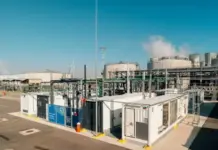
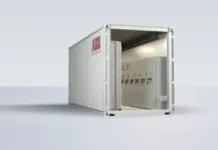
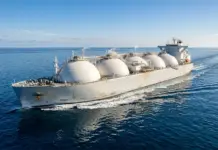
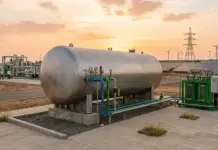
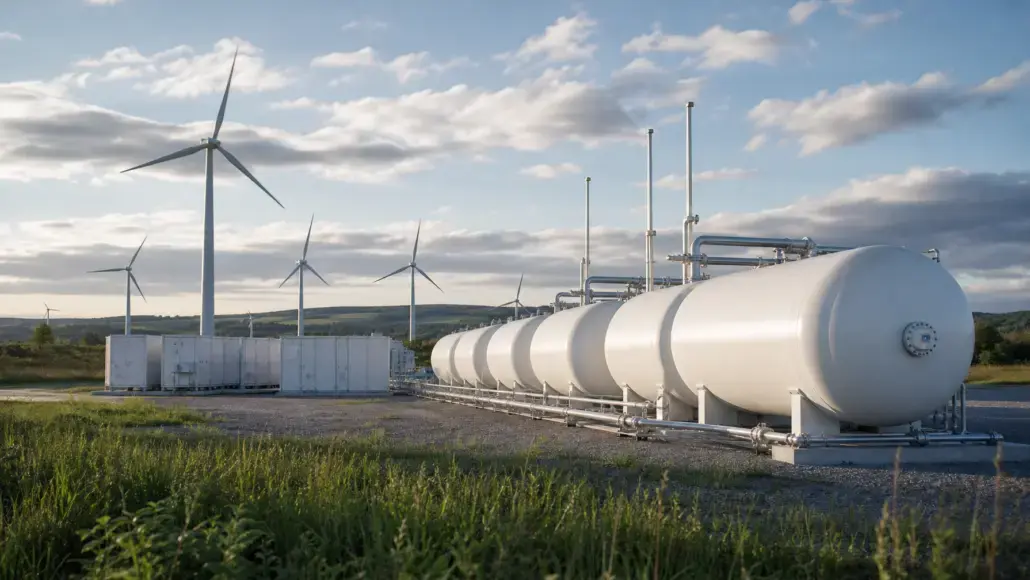
In addition to geological storage, surface storage facilities play a critical role in the hydrogen supply chain. These include high pressure tanks and cryogenic liquid hydrogen spheres located at production hubs and industrial clusters. While smaller in scale than underground caverns, surface storage provides the necessary buffering for daily operations and local distribution. Scaling these facilities requires innovations in advanced materials and manufacturing techniques to reduce costs and improve storage density. The integration of these diverse storage solutions into a unified network allows for the optimization of energy flows at both the local and regional levels. This multi layered approach to storage is essential for providing the flexibility and resilience needed by a modern energy grid. The modular design of surface tanks allows for rapid scaling to meet increasing local demand.
Economic Drivers and Investment Frameworks for Scaling
The scaling of hydrogen storage infrastructure requires substantial capital investment, estimated in the hundreds of billions of dollars globally. Securing this funding depends on the development of clear economic drivers and supportive policy frameworks. Currently, the primary driver is the need to decarbonize hard to abate sectors and meet national climate targets. However, as the market for green hydrogen matures, new revenue streams will emerge, such as the provision of balancing services to the electrical grid and the trade of stored energy across regional markets. These economic opportunities will attract private capital and drive the rapid expansion of the storage sector. The creation of a liquid spot market for hydrogen will provide the price signals needed to justify new investments.
Government support remains critical in the early stages of infrastructure development. This includes the use of grants, tax credits, and carbon pricing to bridge the gap between the cost of hydrogen storage and traditional fossil fuel alternatives. Long term contracts, such as contracts for difference, can provide the revenue certainty needed to secure low cost financing for large scale storage projects. Additionally, the development of standardized regulatory and permitting processes will help to reduce project lead times and capital costs. By creating a stable and predictable investment environment, policy makers can accelerate the scaling of hydrogen storage and ensure that the infrastructure is built in a way that maximizes its value to the energy system. The successful financing of these projects is a key indicator of the industry’s progress toward commercial maturity. The inclusion of storage assets in national energy planning is essential for ensuring a cohesive transition.
Technological Innovation in Electrolysis and Reconversion
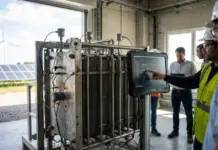
The efficiency of the overall storage cycle is a key factor in its economic viability. This cycle begins with electrolysis, where electricity is used to split water into hydrogen and oxygen, and ends with reconversion, where the hydrogen is turned back into energy. Scaling hydrogen storage infrastructure requires significant improvements in the efficiency and cost of both these processes. Modern electrolyzers, including proton exchange membrane and solid oxide systems, are becoming increasingly efficient and durable, but further innovation is needed to reduce their reliance on expensive catalysts and to scale their manufacturing. The adoption of gigawatt scale manufacturing facilities is a key strategy for reducing the unit cost of electrolyzers.
On the reconversion side, the development of high efficiency fuel cells and hydrogen turbines is essential for turning stored hydrogen back into electricity. These systems must be able to handle the variable loads associated with grid balancing while maintaining high reliability. Research is also focused on the direct use of stored hydrogen in industrial processes, such as green steel production and chemical synthesis, which avoids the energy losses associated with electricity reconversion. By improving the efficiency of every step in the storage cycle, the energy sector can maximize the value of its renewable resources and reduce the total cost of energy for consumers. The continuous loop of innovation and scaling is what will drive the hydrogen economy forward in the coming decades. The optimization of heat recovery in both electrolysis and reconversion stages can further enhance the overall system efficiency.
Strategic Integration with Regional Energy Corridors
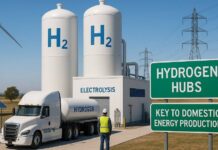
Large scale storage facilities must be strategically located to maximize their impact on the energy system. This often involves co locating storage with major renewable production zones or at the junction of regional transport corridors. By integrating storage directly into the transport network, operators can manage the flow of hydrogen more effectively, reducing the need for excess pipeline capacity. This integrated approach also enables the development of regional hydrogen hubs, where production, storage, and consumption are optimized within a single geographic area. The alignment of these different components is a requirement for a cohesive and efficient global energy market. The physical proximity of these assets reduces the energy losses associated with long distance transport.
The coordination of storage operations across a regional corridor requires a sophisticated digital infrastructure. This includes real time monitoring of storage levels, pressure, and gas quality, as well as advanced algorithms to optimize the charging and discharging of the facilities. By using artificial intelligence to predict demand patterns and renewable production, operators can ensure that the storage system is always prepared to respond to grid needs. This digital integration also facilitates the trade of hydrogen across borders, providing the transparency and trust needed for a liquid and competitive market. The synergy between physical storage, transport infrastructure, and digital technology is the foundation of a modern and resilient energy system. Scaling this integrated network is the ultimate goal of the global hydrogen transition, providing the security and sustainability needed for a net zero world. The work toward building hydrogen transport corridors for regional energy markets is a direct complement to these scaling efforts. The creation of regional hydrogen councils can help facilitate the coordination between different stakeholders in the corridor.