

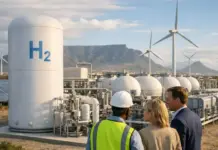

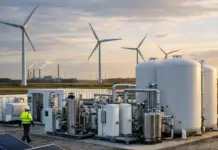
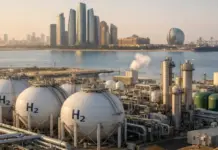
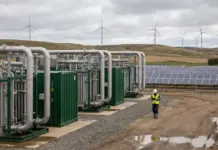
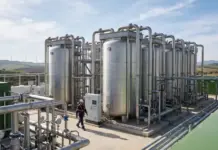


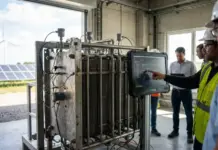
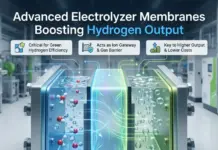
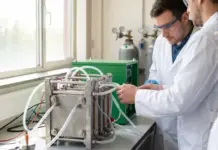
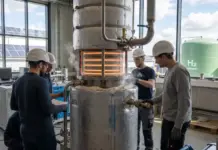

Nel Hydrogen has just announced a huge project to supply electrolysers and demonstrate how green hydrogen can store renewable power for weeks, even months. They are targeting a 200 MW capacity, just as Europe is seeking solid, long-duration energy storage far greater than what batteries can provide.
All-season renewables
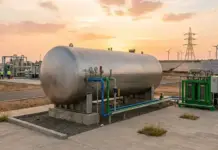
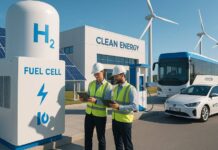
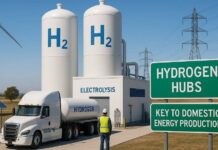
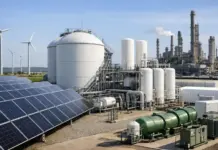
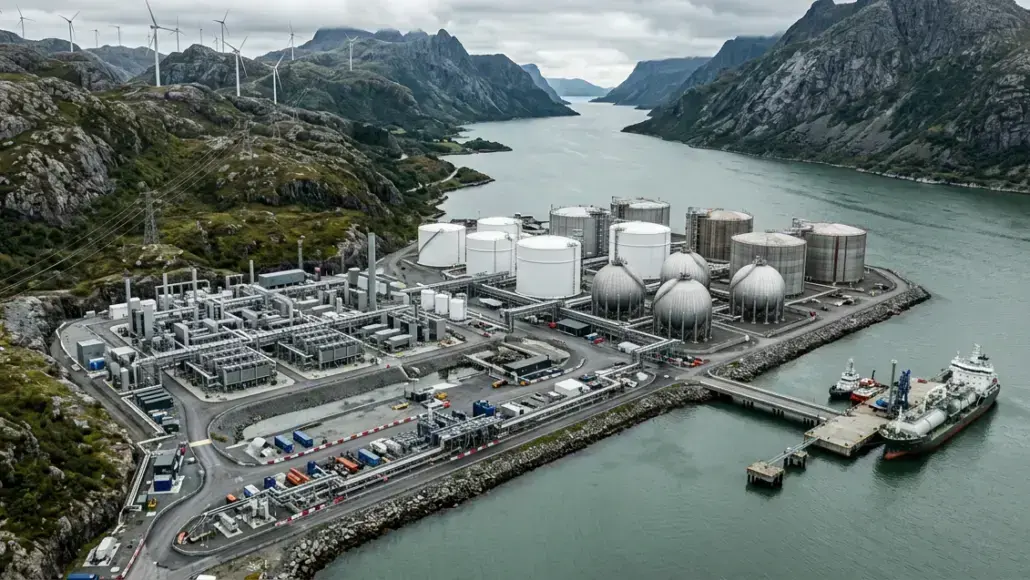
It is a clever way of integrating renewable energy. When the wind and solar farms are throwing more power than the grid can take, you run it through electrolytic hydrogen production. It splits water into hydrogen and oxygen, and then you compress or liquefy that hydrogen and store it until it’s needed. When renewable output drops, you shoot it through fuel cells or turbines, and carbon-free electricity flows that only produces water as a by-product.
Addressing real-world problems in difficult-to-abate industries
Batteries can last for a few hours or even days, but they struggle when the winter drags on or grey skies appear. That’s where electrolytic hydrogen comes in. It provides you a real long-duration energy storage solution that fills in those seasonal gaps. This is exactly what big emitters such as steel mills, ammonia plants and refineries need to do to make a big dent in global CO2 emissions.
Made in Norway, made for Europe’s tomorrow
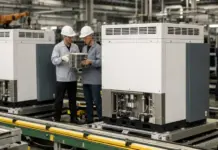
Nel ASA, which traces its roots back to 1927, has been going full throttle on hydrogen tech since 2014. Today their alkaline and PEM electrolysers roll off the Norwegian assembly line and are shipped all over the world. Using local manufacturing excellence and advanced hydrogen expertise, they are driving down costs and quickening deployments all across Europe’s backyard.
More energy security and jobs
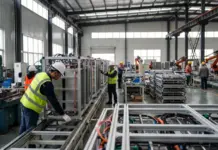
It’s not just about reducing carbon. It’s a job opportunity. The construction and installation of these large-scale electrolysers creates manufacturing jobs, installation crews and maintenance teams. Soon you have the aftermarket for spare parts, regional suppliers on board as well as local economies getting a serious boost.
Adapting to evolving policy environments
Nobody is arguing that green hydrogen needs good policies subsidies, incentives, and clear certification. Nel’s roadmap is fully in line with the net-zero ambitions of the EU and the emerging hydrogen strategies of member states. By proving the tech at scale, they are helping to write the rulebook regulators must have to see a broader rollout.
Costs and security
Of course, installing electrolysers and storing hydrogen safely is not cheap with a large upfront investment and stringent safety standards. Nel is confident, with decades of experience with industrial hydrogen and steadily falling equipment prices. Modern electrolysis plants are about as safe as it gets, thanks to smart design and tight local regulations.
Hydrogen-powered grid in sight
As Europe accelerates towards net zero, the demand for long-duration energy storage will only grow. Green hydrogen is no substitute for batteries; it unlocks versatility that allows renewable energy projects to store power across seasons, transforming a surplus into a strategic asset rather than a lost opportunity.
Currently, Nel’s plan is for a 200 MW electrolyser installation as a proof of concept, but they are still working out the finer details. What is beyond dispute is that large-scale green hydrogen is moving from the lab demonstrations to real-world use cases, addressing real issues for power grids as well as heavy industry.
This initiative shows that green hydrogen is greater than just a trendy term, with homegrown manufacturing and new job opportunities as well as carbon-free operation. It’s a practical, scalable solution to address long-duration energy storage, increase energy safety and drive decarbonisation developed in Norway and ready to fuel Europe’s tomorrow.