
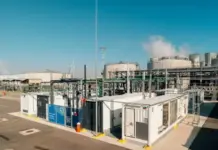
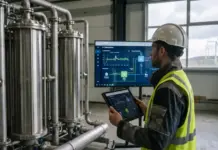
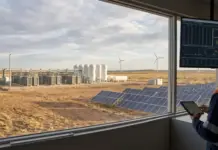
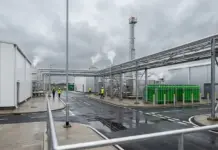

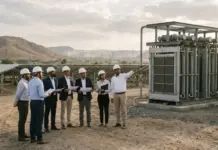
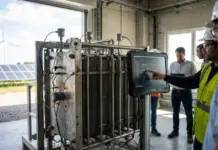
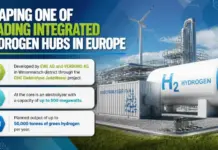
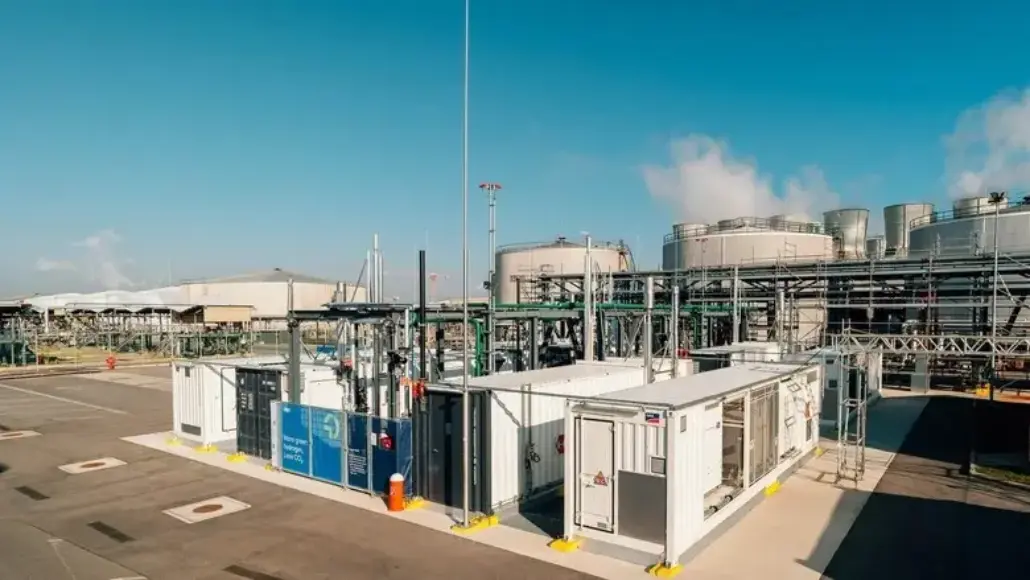

Renewables Now states that the Austrian energy group OMV AG has acquired the first electrolyzer components for 140-MW green hydrogen plant in Austria at Bruck an der Leitha, maintaining the project on schedule to be completed by the end of 2027.
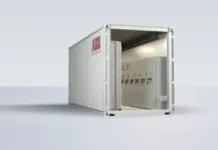
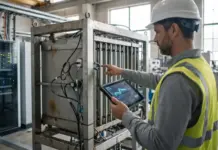
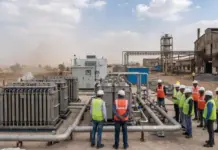
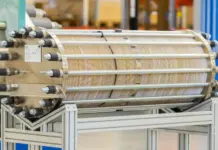
The delivery is the start of the setup of the core technology of the plant, OMV said on October 21, 2026. The arrival of the electrolyzer components marks a concrete achievement for a project that has been in development as one of the major renewable hydrogen undertakings in the country
The project moves forward independently after Masdar pull-out
The Austrian energy group is forging ahead with the project on its own after Masdar – the UAE-based investor withdrew in September 2026 from a planned JV to fund, construct, and manage the facility.
OMV said the scope and timetable of the project would remain unchanged after Masdar pulled out. The delivery of the first electrolyzer components confirms that the company is on track to set up the core technology in accordance with the earlier communicated time frame.
Manufacturing capacity and importance of Europe
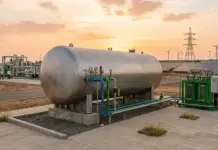
The Bruck a der Leitha facility will generate approximately 23,000 tonnes of green hydrogen per year via renewable electricity through wind, solar, and hydropower.
When fully operational, the plant is projected to be one of the five largest green hydrogen manufacturing facilities in Europe by capacity alone and will put Austria on top when it comes to the European renewable hydrogen sphere.
Partners for construction and technology
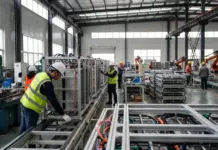
The project involves a number of well-established industrial partners. Strabag SE, which is the Austrian construction company, is building the facility, with Siemens Energy handling technical plant engineering and offering the electrolyzers as well as other equipment.
It is well to be noted that the delivery of the first electrolyzer components is directly related to Siemens Energy being a supplier of the electrolysis technology for the plant, which is the core of the hydrogen production procedure.
Funding structure
The project is backed by a big financial package from public institutions. The project is supported by a $137.8 million debt facility from the Federal Development Bank of Austria, Austria Wirtschaftsservice GmbH – aws, and $504.2 million in funding from the European Investment Bank – EIB.
The two facilities, in tandem, act as the public financial backbone to a project of significant magnitude, demonstrating the degree of institutional backing that major green European hydrogen developments have garnered.
Background to Austria’s hydrogen ambitions
The development marks a major step when it comes to the efforts by Austria to ramp up renewable hydrogen manufacturing. Green hydrogen, generated with renewable electricity, is projected to assist in industrial decarbonization and decrease the consumption of fossil fuels in regions where direct electrification is difficult.
Apparently, the Bruck a der Leitha facility, with a scale of 140-MW electrolyzer capacity and an annual output of as much as 23,000 tonnes, is one of the most prominent renewable hydrogen projects under construction in Europe, and its anticipated position as one of the continent’s 5 largest green hydrogen production plants by capacity demonstrates the goal behind the undertaking.
Timeline and perspective
The first electrolyzer components are on site, and installation of the plant’s core technology has begun, keeping the project on pace to be completed by the end of 2027.
OMV said that its decision to go alone after Masdar withdrew from the planned joint venture in September 2026 has not changed either the nature of the facility or the schedule for its completion.
As installation work continues to move toward the end-of-2027 completion goal, the remainder of the project phase is based on the structural framework of construction responsibilities with Strabag SE, technical plant engineering and equipment supply from Siemens Energy, and financing from aws and the European Investment Bank.
What hydrogen projects in Austria are progressing from blueprint to build
The fact is that the hydrogen economy of Austria continues to grow fast, with electrolyzer gigafactories and green hydrogen production sites as well as pipeline conversion projects battling for capital, licenses, and contractor capacities. However, in a sector where funding declarations frequently outpace actual building, knowing which projects are really moving forward is the difference between seizing an opportunity and seeking headlines.