







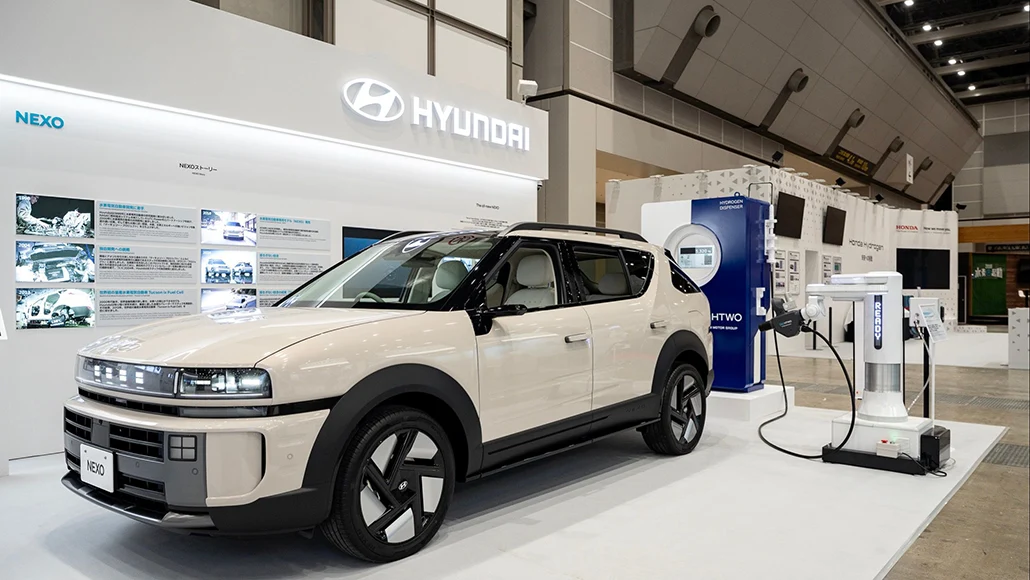

If you have been following hydrogen fuel cells in Japan, you could not have missed the latest announcement by the Hyundai Motor Group at the H2&FC EXPO. Hyundai unveiled HTWO – a new hydrogen platform, over the course of three action-packed days at Tokyo Big Sight. The platform showed off everything right from producing and storing hydrogen to using it in real life. They are all in on sustainable energy, and it was pretty apparent.
HTWO – A full-chain hydrogen spectrum
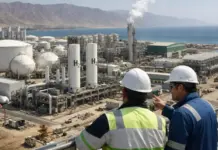
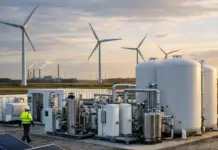
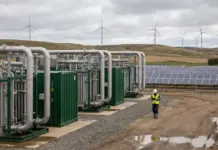
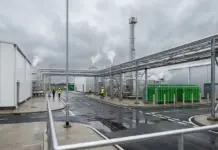
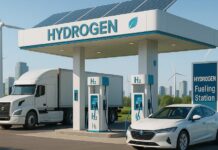
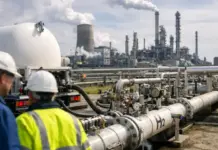
HTWO isn’t just a bunch of separate products, but it’s a complete ecosystem that can handle all aspects of hydrogen infrastructure. You could see water electrolyzers making green hydrogen and compression units putting it into high-pressure tanks, as well as sleek refueling stations ready to deliver fuel at the exact flow rates that modern cars require.
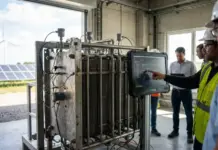
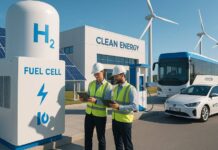
But the real magic takes place behind the closed doors. HTWO adds up digital monitoring, predictive maintenance, and remote diagnostics so that fleets can stay on the road with as little trouble as possible. When hydrogen gets to the tank, it goes into the membrane electrode assembly of the fuel cell stack. There, a catalyst starts an electrochemical reaction that makes electricity and also a little bit of water. That clean energy then powers electric motors, cabin systems, and even Hyundai’s ACR-H inspection platform, which happens to be an industrial robot.
The Electrolysis Edge in Hydrogen Production and Storage
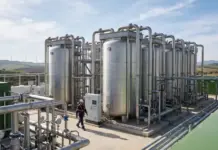
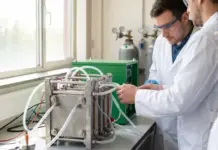
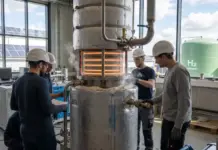
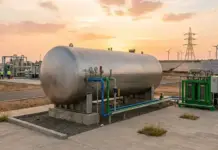
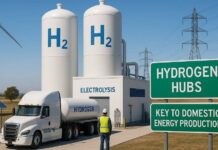
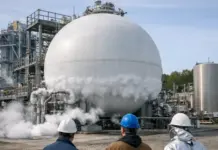
The main source of energy of HTWO is green hydrogen, which is made by splitting water with renewable juice. Hyundai’s exhibit shows that Japan’s electrolyzer capacity is still growing, and it looks like it will continue to keep growing. They went on to highlight tanks that could hold hydrogen at up to 700 bar, which is what next-gen fuel cell electric vehicles need.
Pressure is only a part of the story – the right materials as well as engineering make all the difference. Those composite overwrapped pressure vessels cut down on weight and the risk of contamination so that the fuel cell efficiency stays high even after many fill-ups. Hyundai’s team has made sure that the sealing and thermal controls are just right so that the car stays stable whether you happen to be driving through the city or across the country.
New innovations in fuel cell stacks
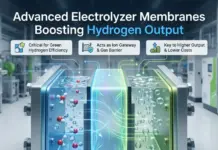
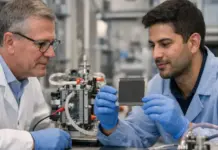
The fuel cell stack is the beating heart of fuel cell technology, and one can see it in any FCEV. Hyundai’s newest design cuts back on platinum-group metals to lower costs, and smart water and heat management keeps the performance steady no matter what kind of load it happens to be under. The expo’s cutaway models let people see each layer, right from the polymer electrolyte membrane to the gas diffusion layers. This demonstrates how efficiency and durability, as well as scalability, all work together.
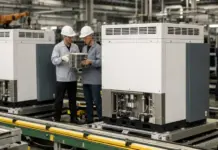
The fact is that these stacks don’t fit everyone. They can make just a few kilowatts for shuttle buses or hundreds of kilowatts for coaches and trucks. That flexibility lets OEMs choose the best system for stop-and-go city routes or long logistics runs.
NEXO’s New Job in Disaster Resilience
The Japan-spec NEXO SUV, which has been updated for 2026, was one of the best demos at the expo. It still makes electricity from hydrogen, however, now it can go an impressive 720 km on one tank of gas and takes only five minutes to fill up. Even better? It has Vehicle-to-Home -V2H capability, which means it can power a home’s grid during a blackout. In places where earthquakes happen a lot, it is basically a portable backup generator.
Strategic Entry into Japan’s Hydrogen Market
Japan has been a big supporter of hydrogen since the Fukushima disaster showed how dangerous centralized power can be. The country does not have a lot of fuel sources at home, so it gets most of its energy from other countries. It sees hydrogen as a way to make its energy supply more stable and to cut down on carbon emissions. Hyundai starts HTWO here to take advantage of incentives from the Basic Hydrogen Strategy and to work with other groups in order to build more hydrogen infrastructure across the country.
The H2&FC EXPO, which is part of Smart Energy Week and happens twice a year, had about 300 exhibitors and 21 conference sessions. Hyundai’s booth seemed to draw in partners and investors who wanted to observe how HTWO could fit into their own plans. On the second day, the VP of Hydrogen and Fuel Cell Engineering Design Group 1, Duckwhan Kim, was supposed to talk about Hyundai’s fuel cell journey and its FCEV lineup.
Building on Ten Years of Fuel Cell Leadership
Hyundai has been in this space before. They released the Tucson ix35 fuel cell in 2013. It was the first FCEV to be made in large numbers. The NEXO came out in 2018 and had a longer range along with better fuel economy. The Xcient fuel cell truck, the first mass-produced hydrogen-electric heavy-duty vehicle, came out in 2020. They launched HTWO around the world in 2024, and now they’re bringing that knowledge back to Japan after more than ten years of research and testing in the real world.
Partnerships and Collaboration
HTWO’s open-platform philosophy is what makes it stand out. Hyundai requests energy producers, infrastructure experts, and local governments to join the network. It’s a team sport, and one of the leaders is Hyundai, who is co-chair of the Hydrogen Council, where the industry leaders go on to work on standards and policies so as to make the market bigger.
They have even showed off a cloud-based dashboard at the expo that gets real-time information on the purity of hydrogen, the uptime of stations, and the performance of fuel cells. Operators can get warnings when the temperature or pressure drops and schedule maintenance before things go amiss. Putting hardware and software together like this makes hydrogen rollouts go more smoothly, which is something that happens a lot.
Effects on the market and what to expect in the future
Hyundai’s timing is perfect. Battery electric vehicles are taking over the passenger car market, but hydrogen fuel cells are much better for heavy-duty transportation and backup power. This is because batteries have trouble with energy density as well as extended recharge times. Hyundai is making hydrogen a flexible part of the sustainable energy mix by offering buses, trucks, and cars that can run on it.
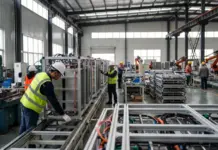
Also, the need for refueling stations with electrolyzers, compressors, and storage gear opens up new markets for equipment makers. Long-term offtake agreements via HTWO – a new hydrogen platform will help hydrogen producers. Hyundai is not just selling cars, but they are also building an entire ecosystem that includes production, logistics, and end use.
One can expect to get information about the new NEXO’s prices in the first half of 2027, along with test drives for people who sign up for the expo. The real test will be seeing Hyundai’s hydrogen buses and Xcient trucks in use in the real world. That will show that fuel cell technology is really ready for peak times.
What Happens Next
The HTWO launch in Tokyo demonstrates how far fuel cell technology and hydrogen infrastructure have come as the world moves toward a carbon-neutral future. It is a reminder that the race to net-zero needs both electrons and molecules, and hydrogen is getting ready to take the center stage.