





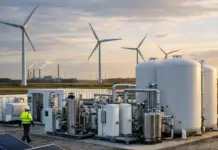
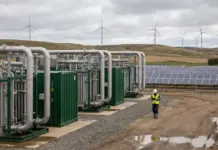










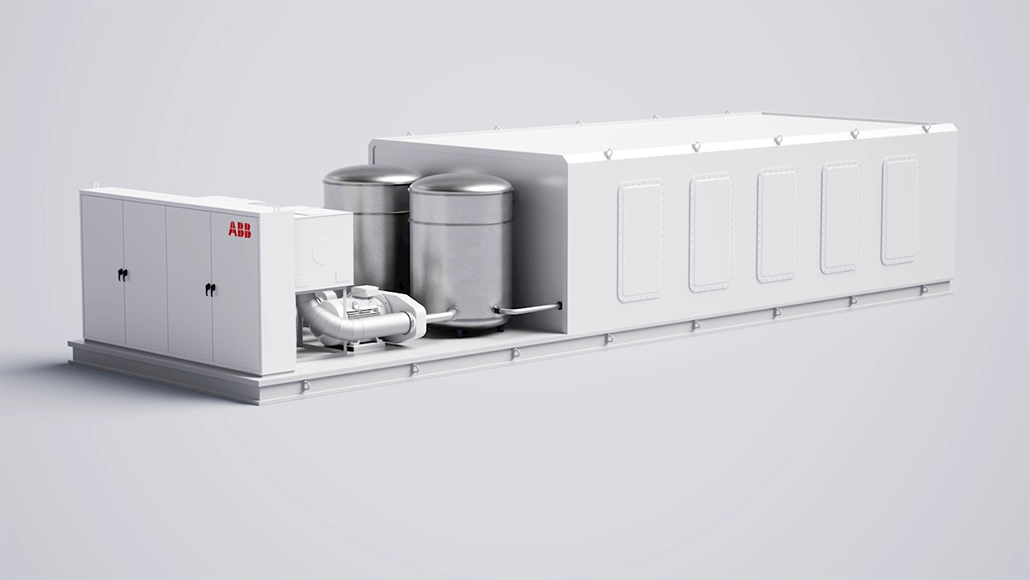

In March 2026, ABB, the global tech giant, and the French fuel cell experts HDF Energy went ahead and announced a joint development agreement – JDA that is indeed going to change the way power systems work on big ships with a next-gen hydrogen fuel cell unit that can produce megawatts of power. Their goal is simple – replace diesel generators on container feeders, hydrogen carriers, as well as other ships that go to sea. All this work is based on a 2020 MoU. Shipping is responsible for about 3% of the greenhouse gas emissions in the world, and regulators are tightening emission limits across major trade routes. And the fact is that this move couldn’t have come at a better time.
How can hydrogen power alter large-scale shipping?
At present, traditional ships go on to make use of heavy fuel oil or diesel generators to push them through waves and power their onboard systems. These generators go on to release CO2, NOx, and particulates into the air. However, if you replace them with hydrogen fuel cells, you can get electricity from an electrochemical reaction that only releases water vapor. And when you give it green hydrogen, which is made by electrolysis powered by renewable energy, you can really sail, and that too without polluting the air. ABB’s Onboard DC Grid™ architecture makes it possible for the fuel cell and batteries, as well as shore power, to all work together. Ships can make use of the fuel cell to get the most power when they require it, charge their batteries when things are quiet, and connect to shore power when they are in port. That means less fuel use, cleaner air at the docks, and, along with it, lower maintenance expenses.
From MoU to Megawatt Scale
When ABB and HDF Energy first shook hands on their memorandum of understanding in 2020, fuel cells were mostly used on smaller workboats as well as offshore platforms. Moving to big ships brought up new engineering problems. With the new JDA, the two are going to work together so as to make a megawatt-scale unit that can handle hydrogen carriers and container feeders. Engineers from both sides are going to work out the system layouts, thermal management, and safety rules, all with the goal of making a product that is both useful as well as appealing to customers. Apparently, the first pilots will take place in 2028–2029, and full production is expected to start by 2030. This will be a big step toward decarbonizing shipping.
Unit design and putting systems together
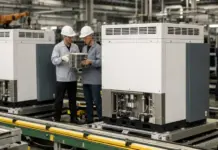
The high-power fuel cell stack from HDF Energy is the primary element of this project. It was made to meet the constant power needs of giant ships that travel across oceans. These engines, which can produce more than one megawatt of power, turn hydrogen directly into electricity without burning it or making smoke. ABB’s Marine & Ports division adds marine power converters and control systems, along with electrical distribution, to the mix. The goal is to connect the fuel cell to the Onboard DC Grid™, which will make the power flow between the fuel cell and batteries, as well as other equipment, smoother. Modular design makes it easy to install and maintain, and advanced diagnostics and electronic tracking keep safety and uptime at the top of the list. Also, the setup is designed to fit into the present ship designs, which lowers the cost of retrofitting for operators.
Getting leaders in the business together
This is what happens when years of marine knowledge come together. For more than 140 years, ABB has been a leader in marine electrification as well as automation. HDF Energy knows every detail there is to know about large-scale fuel cells, right from their HyPower plants in French Guiana to projects in the petrochemical industry in Vietnam. Hanane El Hamraoui, the HDF Energy CEO, says that this partnership combines their technical strengths to help maritime decarbonization move forward. The Marine & Ports President at ABB, Rune Braastad, sees the JDA as a major step in getting hydrogen technology on a wider range of ships. They are also working with shipyards and class societies in order to make sure the unit meets all the rules.
Lowering emissions and costs of doing business
There are immense benefits, both for the environment and for the wallet, when it comes to replacing diesel generators with hydrogen fuel cell unit. Fuel cells run quietly and can cut carbon emissions to zero, which cuts down on greenhouse gases along with local pollutants. Because there are fewer moving parts in a diesel engine, maintenance intervals happen to be longer. The hybrid setup lets ships move slowly on batteries while they are in port, which saves fuel. Connecting to shore power lowers operating costs even more and fits in well with efforts so as to electrify ports. And by cutting down on engine hours, operators can avoid costly repairs. Overall, this does raise the total cost of ownership for all ships.
Why It Matters for Business and Rules
The fact is that the maritime industry has to meet the greenhouse gas targets of the International Maritime Organization and also follow stricter emission-control zones. As rules about sulfur and nitrogen oxides get stricter, ship operators need cleaner engines. With no emissions in port, marine hydrogen fuel cell technology helps ships to meet standards on all routes. The project also fits with national and port decarbonization plans, which include plans pertaining to hydrogen bunkering infrastructure. The ABB HDF Energy partnership wants to change policy, alter the industry standards, and meet demands for low-carbon operations for investors by showing off a scalable megawatt solution. This is indeed going to open up new green financing for ships.
What Lies Ahead
ABB and HDF Energy are going to collect real-world performance data on pilot units that will hit the water in the late 2020s. They will thereafter make changes to the design before increasing production around 2030. If one does well on these tests, new ideas will come up that are related to them, like better ways to store hydrogen and fuel cell-electric hybrids, as well as refueling stations on land. In the future, this roadmap could include more than just container feeders, as it could also have bulk carriers, ro-ro ships, and patrol boats. At its heart, this project is a big step toward a shipping industry that does not pollute and operates on green hydrogen. It integrates caring for the environment while at the same time making business sense.