



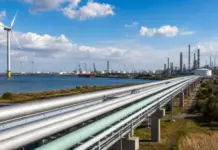













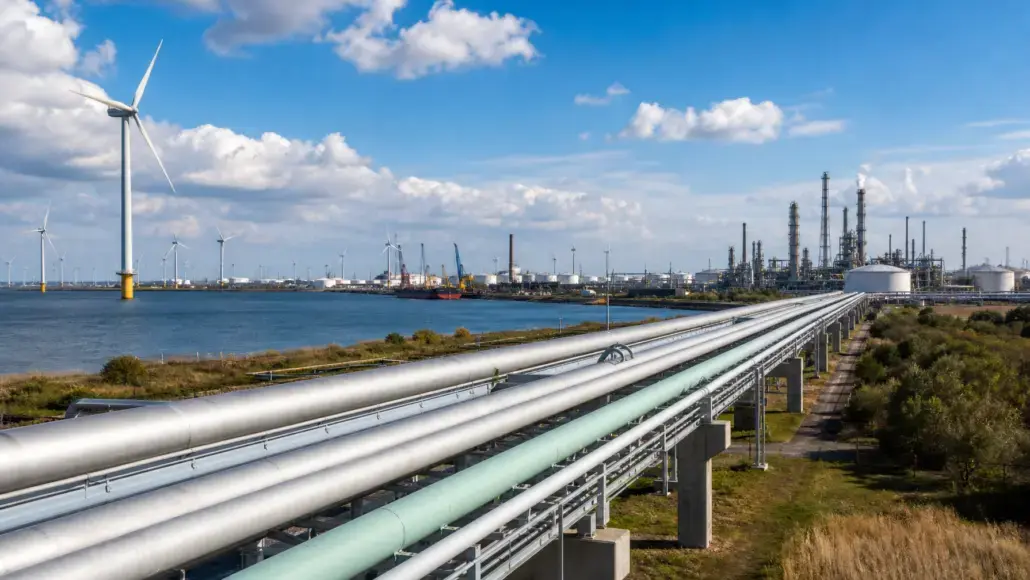

The development of the global hydrogen economy depends on the creation of high capacity regional corridors that can move energy from production heartlands to industrial demand centers. These corridors serve as the backbone of regional energy markets, providing the necessary infrastructure for large scale decarbonization and energy security. By connecting diverse production sources (such as offshore wind farms and inland solar parks) to major manufacturing hubs and ports, regional corridors enable the efficient distribution of clean fuel across borders. Building this infrastructure is a multi decade undertaking that requires levels of international cooperation, private investment, and regulatory alignment. As nations strive to meet their net zero targets, the strategic planning of these corridors is a top priority for energy policy makers and industrial leaders. The physical linkage of regional production to global demand is a prerequisite for a functional hydrogen market.
Regional corridors are more than just a collection of pipelines; they are integrated energy systems that include storage hubs, compression stations, and digital monitoring platforms. These networks allow for the optimization of energy flows across a wide geographic area, balancing supply and demand in real time. The establishment of these corridors also drives the development of regional hydrogen hubs, where production, storage, and consumption are co located to maximize efficiency. By creating a reliable and transparent market for hydrogen, these corridors reduce the risks for both producers and consumers, accelerating the transition away from fossil fuels. The physical and digital integration of these networks is the key to unlocking the full potential of hydrogen as a clean energy carrier for the 21st century. The creation of these networks also necessitates a focus on addressing hydrogen embrittlement risks in pipeline infrastructure to ensure long term asset durability.
Strategic Planning and Cross Border Infrastructure Alignment
The planning of a hydrogen transport corridor begins with a high level assessment of regional energy flows and industrial geography. Planners must identify the most promising production zones and the largest potential users, then determine the most efficient routes to connect them. This often involves navigating complex terrain and crossing international borders, requiring a harmonized approach to engineering standards and safety regulations. The European Hydrogen Backbone is a prime example of this type of strategic planning, envisioning a massive network of pipelines connecting the entire continent. Such projects require close coordination between governments to ensure that the infrastructure is built to a consistent standard and that the legal framework supports cross border energy trade. The geopolitical implications of these energy routes are a major consideration for national security planners.
Aligning the interests of multiple stakeholders is one of the primary challenges in corridor development. This includes transmission system operators, industrial consumers, local communities, and environmental groups. Effective communication and transparent decision making are essential for securing the necessary permits and social license to operate. In addition, the selection of routes must account for future expansion and the potential for repurposing existing natural gas pipelines to reduce costs and environmental impact. By taking a long term and integrated view of infrastructure development, planners can ensure that regional corridors remain a valuable asset for decades to come, supporting the growth of regional energy markets and the broader goals of the energy transition. The physical separation of hydrogen assets from residential areas is a key factor in public safety planning.
Technical Requirements for High Capacity Hydrogen Pipelines
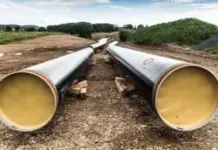
Building pipelines for high capacity regional corridors requires specialized engineering to handle the unique properties of hydrogen. These pipes must be designed for high pressure service, often exceeding 70 bar, to move large volumes of gas over long distances. The choice of material is critical, as hydrogen can cause embrittlement in certain grades of steel. Modern hydrogen pipelines typically use high strength, low alloy steels that are specifically tested for their resistance to hydrogen damage. In addition, the weld zones must be carefully managed to prevent the formation of defects that could lead to failures under pressure. The use of advanced non destructive testing techniques is a mandatory requirement for ensuring the integrity of these critical assets. The precision of these inspections is vital for identifying microscopic fatigue cracks before they reach critical size.
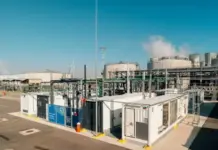
Beyond the pipes themselves, transport corridors require a network of compression stations to maintain the flow of gas. As hydrogen has a low volumetric energy density, it requires significantly more compression power than natural gas. This necessitates the use of high efficiency centrifugal or reciprocating compressors, often powered by renewable electricity to maintain a low carbon footprint. The thermal management of the gas is also important, as compression increases the temperature of the hydrogen, which can affect the integrity of the pipe and the efficiency of the system. Advanced cooling systems and heat recovery units are increasingly being integrated into compression station designs to optimize the energy profile of the corridor. These technical solutions are essential for creating a reliable and efficient delivery system for the regional energy market. The adoption of magnetic bearings and low friction seals further improves the operational availability of these machines.
Economic Models and Financing for Large Scale Infrastructure
The capital requirements for building regional transport corridors are immense, often reaching into the billions of dollars. Securing the necessary financing requires a combination of private equity, government support, and long term off take agreements. In many cases, the first generation of corridors will be supported by public funds or sovereign guarantees to reduce the risk for private investors. As the market matures and the technology is proven, the reliance on government support is expected to decrease, with private capital taking a larger role. The development of clear and stable regulatory frameworks is a prerequisite for attracting this investment, providing the certainty that businesses need to commit to multi decade projects. The bankability of these projects depends on the presence of creditworthy off takers along the route.
One innovative approach to financing is the use of regulated asset base models, where the cost of the infrastructure is recovered through a tariff paid by all users of the network. This provides a predictable return for investors while ensuring that the cost of the transition is shared fairly across the economy. In addition, the integration of transport corridors with regional energy hubs can create new revenue streams, such as the provision of balancing services to the electrical grid. By diversifying the economic value of the corridor, operators can improve its financial viability and accelerate the deployment of the necessary infrastructure. The successful financing of these projects is a key indicator of the health and maturity of the global hydrogen economy. This work also involves addressing the digital monitoring and leak detection in hydrogen storage facilities to ensure the long term safety of the invested assets. The alignment of these different value streams is essential for maximizing the total return on investment.
Regulatory Harmonization and Market Integration Strategies
A truly regional hydrogen market requires more than just physical pipes; it needs a common set of rules for trading, gas quality, and safety. Regulatory harmonization is the process of aligning these rules across different jurisdictions, allowing for the seamless movement of hydrogen across borders. This includes the standardization of hydrogen purity levels, the development of certificates of origin to track carbon intensity, and the creation of transparent pricing mechanisms. Without this alignment, the market would be fragmented, increasing the costs and risks for all participants. International organizations and regional energy unions play a central role in driving this harmonization process. The establishment of an international hydrogen trade association can help facilitate these discussions.
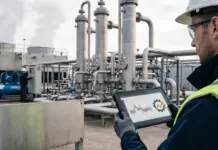
Market integration also involves the creation of digital platforms for trading and balancing. These platforms provide real time visibility into supply and demand, allowing for the efficient allocation of hydrogen across the corridor. By using advanced algorithms to optimize energy flows, operators can reduce the need for physical storage and improve the overall efficiency of the system. The integration of the hydrogen market with the broader energy grid, including electricity and natural gas, allows for a more holistic approach to energy management. This sector coupling is a fundamental principle of the energy transition, ensuring that all parts of the energy system work together to achieve the common goal of decarbonization. The establishment of these integrated markets is the final step in the creation of a global hydrogen economy. The use of automated trading bots and blockchain based ledgers can further enhance the transparency and speed of these transactions.
Environmental Impact and Community Engagement
Building large scale transport corridors has a physical footprint, requiring careful management of the environmental impact. This includes the protection of sensitive habitats, the minimization of land use, and the prevention of leaks. Environmental impact assessments are a mandatory part of the planning process, providing a detailed analysis of the risks and the measures taken to mitigate them. The use of existing rights-of-way and the repurposing of natural gas pipelines are key strategies for reducing the environmental footprint of new corridors. By prioritizing sustainability in the design and construction phase, the industry can ensure that the hydrogen transition does not come at the expense of the local environment. The monitoring of local biodiversity during the construction and operational phases is a key part of corporate responsibility.
Community engagement is equally important for the success of these projects. Building large pipelines often requires crossing private land and can affect local communities. Open and honest communication with land owners and local residents is essential for building trust and securing the necessary permissions. This includes providing clear information on the safety of hydrogen, the benefits of the project for the local economy, and the measures taken to protect the community during construction. By involving local stakeholders in the planning process, operators can identify and address potential concerns early on, reducing the risk of delays and disputes. The social license to operate is as important as the physical and regulatory permits, ensuring that the hydrogen transition is supported by the people it serves. The construction of these transport corridors is a collective effort that will redefine the energy map of the world. The provision of local jobs and infrastructure improvements can help to gain broader community support for these projects.