
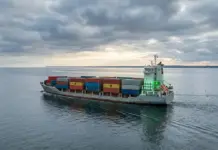








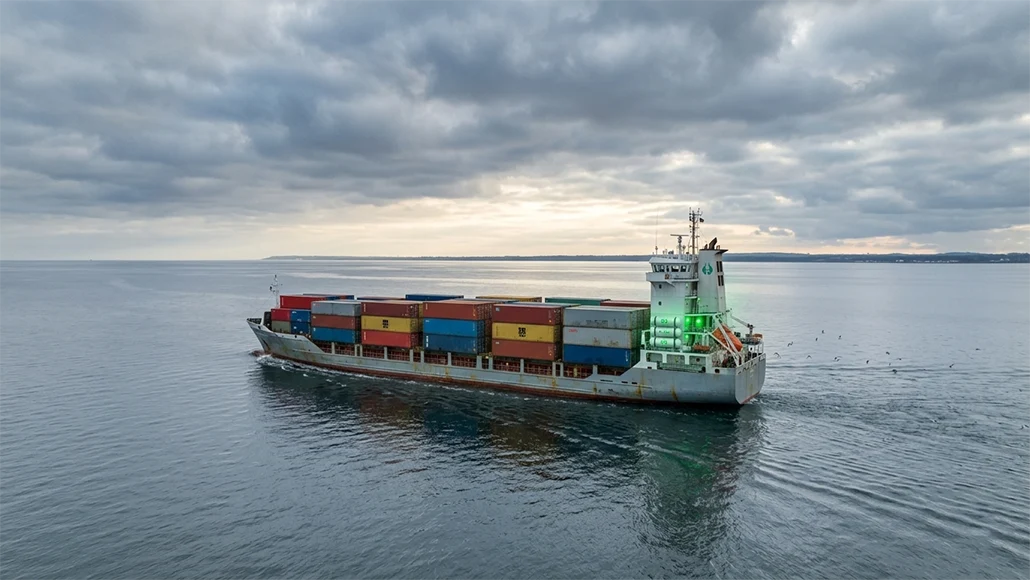

The maritime decarbonization technology specialists of South Korea, Vinssen and MANA Engineering, the Dutch engineering firm, have inked a memorandum of understanding – MOU so as to jointly come up with a hydrogen fuel cell-based retrofit solution for an 800 TEU feeder container vessel that operates in Northern Europe and the Baltic Sea.
The collab plan is to first focus on the comprehensive technical feasibility study as well as the pursuit of Lloyd’s Register’s – LR approval in principle – AIP that is going to validate the technical concept and also establish the basis for a probable pilot retrofit project.
As per Vinssen, the proposed hydrogen fuel cell-based retrofit concept goes on to retain the present main propulsion system of the vessel while also replacing the hotel loads along with auxiliary power, having a hybrid system of hydrogen fuel cells along with battery energy storage.
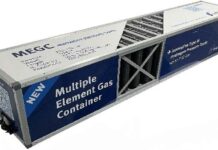
Hydrogen is going to be supplied via swappable storage modules having an integrated control system in order to enable the switching between both fuel cells as well as the present diesel generators.
Interestingly, the system is said to decrease the onboard CO₂ emissions by way of supporting the compliance along with FuelEU Maritime as well as EU ETS requirements without even depending on the onshore power supply – OPS while at the same time enhancing the Carbon Intensity Indicator – CII rating of the vessel.
The partnership will blend the European experience and regional market access
of MANA Engineering with the fuel cell and battery system technologies of Vinssen, with the objective of assessing commercial rollout opportunities when it comes to the European short-sea shipping segment.
According to the CEO of Vinssen, Chil-Han Lee, “This agreement represents a practical step toward validating hydrogen retrofit solutions in line with classification requirements and advancing decarbonization options for existing vessels in Europe.”
The Managing Director of MANA Engineering, Dennis Lensing, stated that “We look forward to cooperating with our Korean partners during this risk assessment and concept phase and beyond. Together we will build a strong foundation for potential demonstration and retrofits of this concept in the European markets.”