

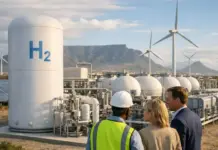

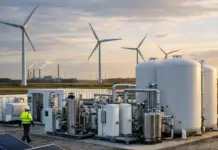
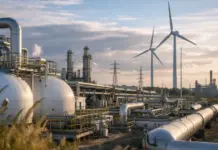

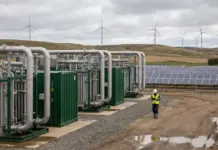





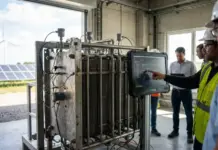
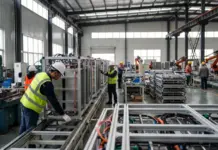
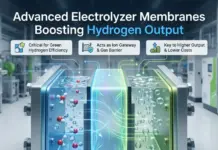
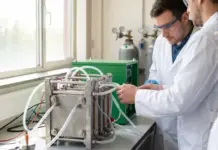



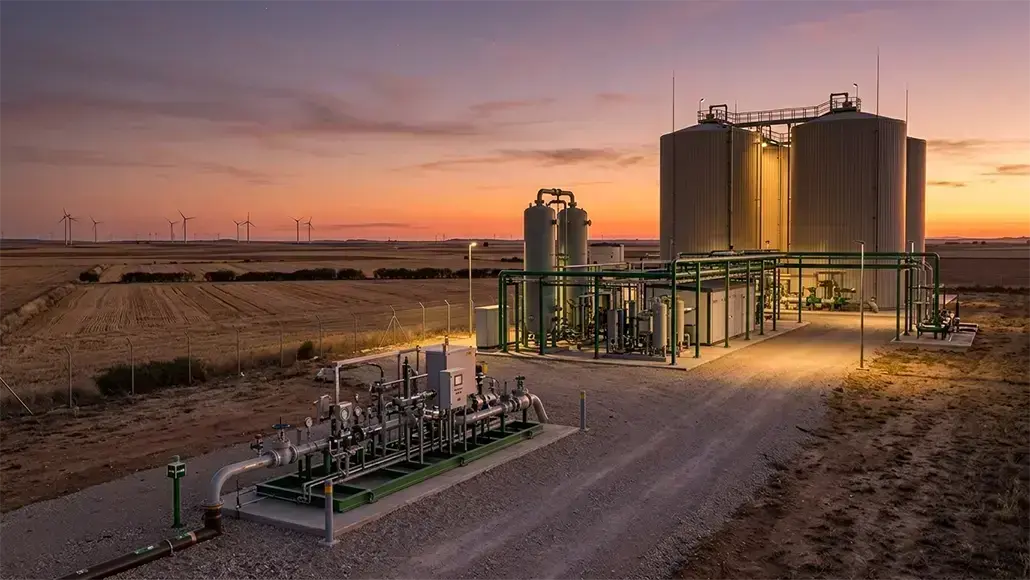

Enagás’ renewable gases unit, Enagás Renovable, has announced push for hydrogen and biomethane strategies in Spain. According to Pressdigital.es they are lining up investments of up to €2.5 billion in new and current projects, with plans to spark 250MW of green hydrogen capacity by 2030.
Partnerships & Portfolio
Enagás Renovable already has more than 20 renewable gas projects in operation in Spain, all of them aligned with the national Hydrogen and Biogas Roadmaps and the decarbonisation efforts of the EU.
Some highlights include –
- Lloseta Green Hydrogen Plant at Mallorca –Spain’s first industrial-scale green hydrogen plant, developed from the Power to Green Hydrogen Mallorca initiative, in cooperation with Acciona Energía, Cemex and IDAE.
- UNUE Biomethane Plant at Burgos –The country’s first large-scale private biomethane plant, converting organic waste to pipeline-ready fuel.
- Green Hysland –A European consortium with more than 30 partners from 11 countries, that aims to turn Mallorca into the hydrogen hub of southwest Europe.
- Andalusian Green Hydrogen Valley at Huelva –In collaboration with Cepsa and Alter Enersun, the project includes a 200 MW electrolyser co-located with a PV array at Cepsa’s Energy Park.
- Strategic MoUs and partnerships with Hy24 by way of 30% stake via its Clean H2 Infra Fund, VERBUND and others in order to fund and operate new electrolysis and biomethane upgrading hubs.
Why It Makes a Difference
Here is why push for hydrogen and biomethane strategies will make a difference to the country. Spain is aiming for 4 GW of electrolysis capacity by 2030 under its national Hydrogen Roadmap. The 250 MW target is approximately 6% of the total and the wider pipeline of over 700 MW touches almost 20% of the country’s goals.
These projects inject green hydrogen and biomethane into the gas system to reach hard-to-abate sectors – including refining, chemicals, fertilisers as well as heavy industry – and open the door to zero-emission transport. The hubs in Andalusia and Mallorca are examples of how local hydrogen infrastructure can meet regional demand, optimise energy flows and kick-start a wave of industrial reindustrialisation. The Huelva project, for instance, harnesses on-site renewables and Cepsa’s pre-existing infrastructure to reduce logistics costs while safeguarding early offtake.
Economic and Regional Effects
- New jobs in construction, operations and maintenance, especially in Andalusia and the Balearic Islands.
- Turning brownfield sites such as Cemex’s Mallorca plant into buzzing green hydrogen hubs.
- Enhancing energy security by injecting locally produced renewable gases into the Spanish network.
- Compatibility with EU renewable gas regulations under REPowerEU and Fit for 55.
What Lies Ahead
Watch out for these milestones –
- A breakdown of the €2.5 billion investment and its allocation between hydrogen production and biomethane.
- Andalusian Green Hydrogen Valley electrolysis plant investment along with financing wraps get the green light.
- Commissioning schedule for new electrolysis units and biomethane upgrader in Burgos.
- Regulatory approvals and offtake agreements, especially when it comes to mobility and industrial users in the south of Spain.
The fact is that Spain’s path to industrial decarbonisation – and Europe’s broader clean-energy ambitions go on to get a major boost as Enagás Renovable expands its renewable gas footprint.