



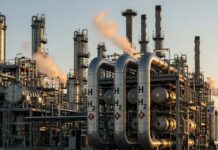
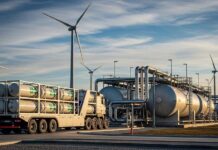








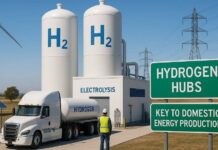



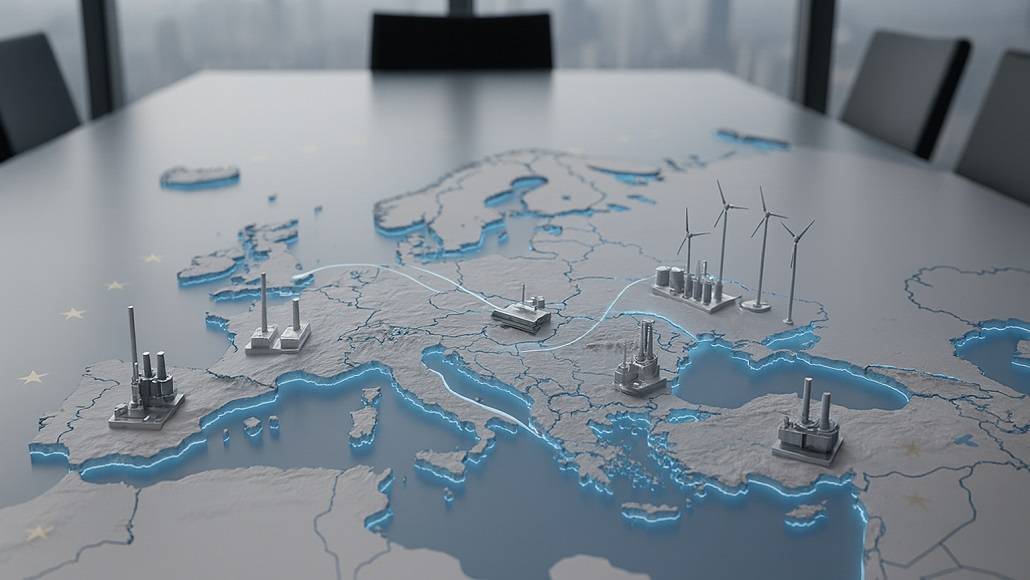

The European Commission has given formal approval to 100 cross-border hydrogen and electrolyzer initiatives, placing them within a wider group of 235 energy infrastructure developments selected as Projects of Common Interest and Projects of Mutual Interest under the updated TEN-E Regulation. With this designation, the EU hydrogen projects can now seek support through the Connecting Europe Facility and will be granted access to accelerated regulatory and permitting channels intended to speed implementation. The broader list includes electricity networks, CO₂ infrastructure and hydrogen. Together, these projects show how the Commission wants to update Europe’s energy system and reduce its dependence on fossil fuels through 2040.
This marks the second PCI/PMI list released since the TEN-E reform in 2022, and it points to the European Commission’s ongoing effort to develop cleaner energy corridors and expand digital-ready networks. The 100 hydrogen and electrolyzer initiatives are positioned to contribute to decarbonizing the region’s energy mix while supporting industrial capability within the bloc. As the Commission noted, “These cross-projects will strengthen energy connectivity across the continent, bringing nearer the completion of the Energy Union.” Collectively, the approved schemes form part of an estimated €1.5 trillion investment outlook for European energy infrastructure between 2024 and 2040, demonstrating the scale of the ongoing transition.
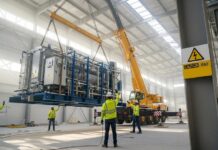
EU hydrogen projects included on the PCI/PMI list will receive coordinated political support through the Energy Union Task Force and regional decision-making groups. Their rollout aligns with forthcoming measures such as the European Grids Package and the Energy Highways initiative, both highlighted by President von der Leyen, which aim to relieve structural bottlenecks across the continent’s energy networks. The list now proceeds to a two-month examination period by the European Parliament and Council. Once endorsed, the Commission intends to work directly with member states and project developers to advance construction. Since 2014, the CEF-Energy programme has committed €8 billion to interconnection efforts, and the Commission has proposed expanding its 2028–2034 budget to €29.91 billion to maintain momentum behind these priorities.