




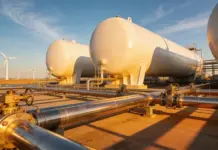



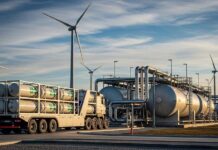

















Air Products and Chemicals, Inc. and Plug Power, Inc. will take on major supply roles under the new NASA hydrogen contracts, as the agency locks in long-term access to nearly 37 million pounds of liquid hydrogen. NASA has finalized firm-fixed-price agreements that run from December 1, 2025, through November 2030, a schedule designed to protect the fuel needs of its rocket programs and aeronautics research. In total, the commitments cover 36,952,000 pounds of liquid hydrogen at an estimated value of about $147.2 million.
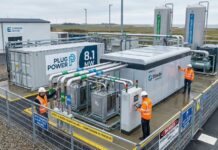
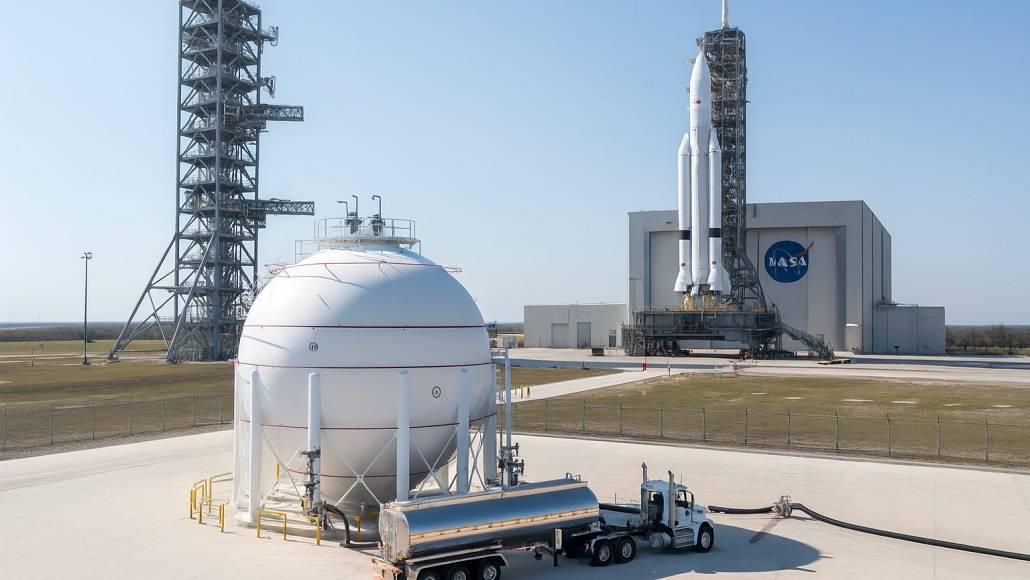
Air Products is positioned to deliver the overwhelming share of that volume. Its contract allows for as much as 36.5 million pounds of liquid hydrogen to be sent to Kennedy Space Center and Cape Canaveral Space Force Station in Florida, as well as Marshall Space Flight Center in Alabama and Stennis Space Center in Mississippi. Plug Power’s contribution, capped at up to 480,000 pounds, is earmarked for Glenn Research Center and the Neil A. Armstrong Test Facility in Ohio, at a price point of roughly $2.8 million. Together, these allocations represent the backbone of the NASA hydrogen contracts and ensure uninterrupted access to a critical cryogenic propellant.
NASA highlighted the value of the multi-year, fixed-price setup, noting how it stabilizes planning for engine testing and flight development tied to future lunar and Martian missions. The distribution between two suppliers also adds a degree of resilience to the agency’s hydrogen procurement chain. Air Products extends a relationship with NASA that reaches back to the Apollo era, while Plug Power increases its presence in aerospace fueling following its recent activity in green hydrogen production.
Liquid hydrogen has supported NASA missions for more than six decades, and the latest contracts maintain that legacy through 2030. The agency expects the secured volume to keep propulsion tests, launch operations, and aeronautics experimentation on schedule. Maintaining purity standards, managing cryogenic logistics, and scaling production will remain central challenges as NASA advances its next wave of exploration and relies on producers tied to the NASA hydrogen contracts to keep operations moving.