
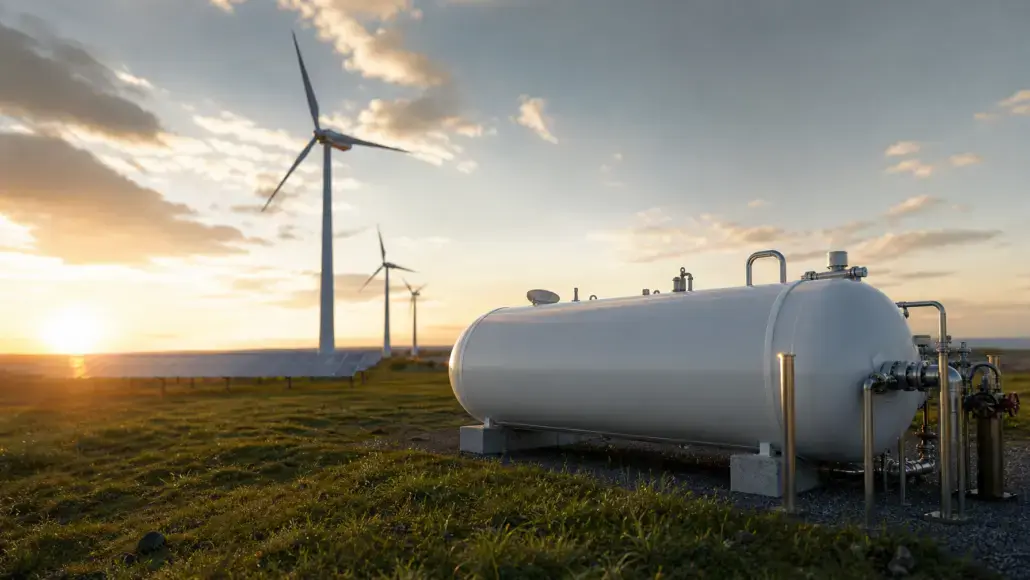

The transition to a renewable energy dominated grid creates a fundamental challenge in balancing supply and demand across different seasons. Solar and wind energy are inherently variable, often producing surpluses during periods of low demand and deficits when energy needs are highest. Large scale hydrogen storage offers a viable solution for managing these imbalances by converting excess electricity into hydrogen gas and storing it in vast underground geological formations. This approach allows for the preservation of energy over weeks or months, a feat that traditional battery systems cannot achieve economically. By utilizing the natural capacity of the earth, the energy sector can build a resilient buffer that ensures reliability even during extended periods of low renewable output. This strategic reserve is essential for maintaining the stability of a high penetration renewable grid.
Geological storage is the only method currently available that can handle the massive volumes of hydrogen required for national energy security. While surface tanks are suitable for small scale applications or short term buffering, they lack the scale needed to support entire industrial sectors. Underground facilities, such as salt caverns and depleted oil and gas reservoirs, provide a cost effective and safe environment for housing thousands of tons of compressed gas. As the global production of green hydrogen scales up, the development of these storage hubs will be essential to prevent the curtailment of renewable energy and to provide a consistent fuel source for hard to abate industries. The long term success of the hydrogen economy depends heavily on the availability of these geological assets.
Geological Suitability of Salt Caverns for High Pressure Storage
Salt caverns are widely considered the gold standard for underground hydrogen storage due to their unique physical properties. These man made voids are created through a process called solution mining, where water is injected into deep salt deposits to dissolve the mineral and create a large chamber. The resulting cavern walls are naturally impermeable to hydrogen, preventing the gas from leaking into the surrounding rock. This tight seal is crucial because hydrogen is a highly mobile molecule that can easily escape through more porous materials. In addition, salt does not react chemically with hydrogen, ensuring that the stored gas maintains its purity over long periods. The structural integrity of these salt domes allows for very high operating pressures, maximizing the amount of energy that can be stored in a given volume.
The mechanical stability of salt also allows for rapid injection and withdrawal cycles, which is necessary for responding to sudden changes in grid demand. Unlike porous rock formations, which can be damaged by frequent pressure changes, salt caverns can withstand the stress of moving large volumes of gas in and out multiple times a year. This flexibility makes them ideal for short to medium term balancing of renewable energy. However, salt deposits are not geologically available in all regions, which limits the deployment of this technology to specific geographic areas. For regions without significant salt formations, other options like depleted reservoirs or aquifers must be evaluated, though these present additional technical challenges regarding gas retention and purity. The selection of a storage site must involve rigorous geological surveys to ensure long term stability.
Thermodynamic Challenges and Operational Efficiency Limits
Injecting hydrogen into an underground cavern causes the gas to compress and heat up, while withdrawal leads to expansion and cooling. Managing these thermodynamic shifts is a critical aspect of storage operations. If the gas temperature rises too high, it can compromise the integrity of the wellhead equipment or the cavern walls. Conversely, extreme cooling during rapid withdrawal can lead to the formation of hydrates or cause thermal stress on the steel casing of the injection wells. Operators must use sophisticated thermal modeling to determine the optimal rates of gas movement to stay within safe temperature boundaries. The use of heat exchangers at the surface can help manage these fluctuations, but this adds to the complexity and cost of the facility.
Operational efficiency is also affected by the energy required for compression. Pumping hydrogen into deep caverns requires significant electrical power, especially as the pressure within the cavern increases. This round trip energy loss must be minimized to ensure the economic viability of the storage facility. One strategy involves using multistage compressors with intercooling to reduce the work required. Additionally, the design of the cavern itself, including its depth and volume, influences the compression costs. As the industry matures, the integration of waste heat recovery systems could further improve the overall efficiency of these storage hubs, capturing the heat generated during injection to be used for other industrial processes. The optimization of these energy flows is a major focus of ongoing engineering research.
Managing Cushion Gas Requirements and Reservoir Pressure
Every underground storage facility requires a certain volume of gas to remain in the formation at all times to maintain structural pressure and prevent the collapse of the cavern or the intrusion of water. This is known as cushion gas. In many cases, the cushion gas can represent more than half of the total volume of the facility, representing a significant upfront investment. For hydrogen storage, using pure hydrogen as cushion gas can be prohibitively expensive. Researchers are investigating the use of cheaper alternatives, such as nitrogen or carbon dioxide, to serve as the pressure buffer while keeping the active hydrogen layer separate. The management of this gas interface is critical for maintaining the purity of the working gas.
Using an alternative cushion gas requires careful management to prevent mixing at the interface. If nitrogen contaminates the hydrogen, it can lower the energy content of the gas and potentially damage sensitive end use equipment like fuel cells. Advanced monitoring of gas composition at various depths within the cavern is necessary to manage this risk. In depleted reservoirs, the existing residual natural gas can sometimes serve as the cushion gas, but this can lead to the presence of methane in the withdrawn hydrogen. For industrial applications, the decision regarding repurposing natural gas pipelines for hydrogen transportation often depends on the availability of high purity storage nearby, as the transportation and storage segments of the value chain are deeply interconnected. The coordination of these assets ensures that the energy system remains efficient and reliable.
Microbial Interactions and Gas Purity Preservation
Storing hydrogen in porous media, such as depleted oil fields or aquifers, introduces the risk of microbial activity. Certain underground microorganisms can consume hydrogen and convert it into methane or hydrogen sulfide. This process not only leads to the loss of valuable hydrogen but also introduces impurities that can corrode infrastructure and poison industrial catalysts. Managing these biological risks requires a thorough understanding of the deep subsurface environment, including the temperature, salinity, and nutrient availability that might support microbial growth. The presence of sulfate reducing bacteria is a particular concern, as they can generate toxic gases that compromise the safety of the facility.
Operators can mitigate these risks by selecting reservoirs with conditions that are hostile to life, such as high temperatures or extreme salinity. In some cases, specialized treatments might be used, although their environmental impact must be carefully assessed. Regular sampling and DNA sequencing of the subsurface fluids can help operators track the health of the reservoir and detect early signs of microbial blooms. Maintaining high gas purity is essential for the long term success of geological storage, as even small amounts of sulfur can render the hydrogen unusable for many green energy applications. The development of standardized biological monitoring protocols is a key priority for the global energy industry. These efforts ensure that the underground environment remains a safe and stable home for the world’s energy reserves.
Strategic Role in National Energy Independence Plans
Large scale storage facilities act as a strategic reserve, much like the petroleum reserves held by many nations today. In a future where hydrogen is a primary energy carrier, these underground hubs will protect against supply chain disruptions and geopolitical instability. By storing months worth of energy domestically, countries can reduce their reliance on imported fuels and ensure that critical infrastructure continues to function during crises. This strategic value justifies the high initial investment required to develop these geological assets. The establishment of these reserves is often seen as a matter of national security, providing a buffer against the volatility of international energy markets.
The integration of storage into the broader energy system also enables the optimization of hydrogen production facilities. Without storage, electrolyzers would need to be sized to meet peak demand, leading to low utilization rates during off peak hours. With storage, production can remain constant, with surpluses being diverted underground. This stable operating profile improves the economics of green hydrogen production and accelerates the overall decarbonization of the energy grid. As governments around the world set ambitious net zero targets, the development of these underground assets will be a fundamental pillar of their energy transition strategies, providing the reliability and scale needed to replace fossil fuels entirely. The synergy between renewable production and geological storage is the key to a truly sustainable and independent energy future.