
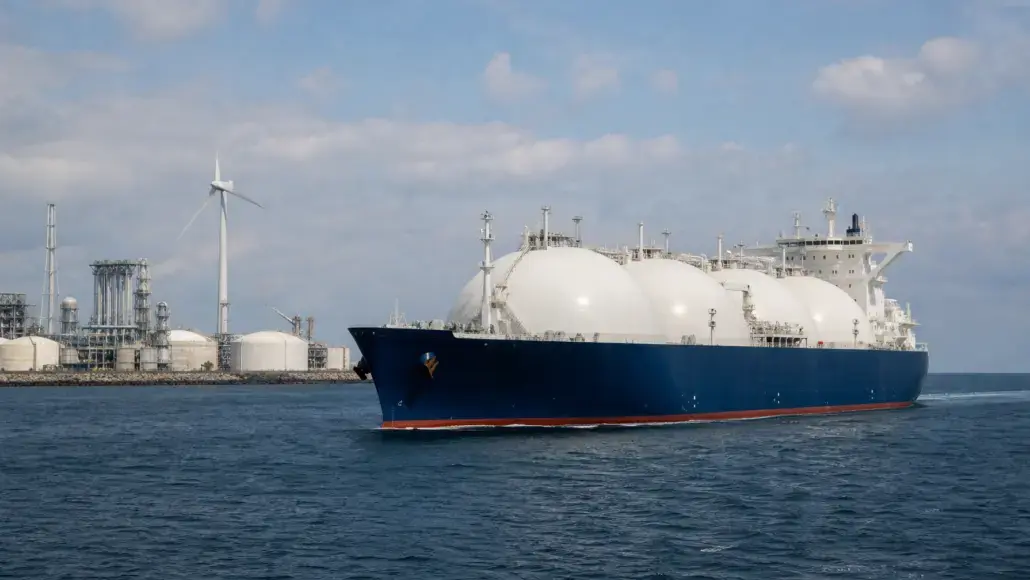

The creation of a global hydrogen market depends on the ability to transport large quantities of energy across oceans, connecting regions with abundant renewable resources to industrial demand centers. Since hydrogen gas has a very low energy density at ambient pressure, it must be converted into a more compact form for maritime transit. The two primary contenders for large scale hydrogen shipping are liquid hydrogen and ammonia. Each method presents a unique set of technical and economic trade offs, influenced by factors such as energy density, boiling points, and existing infrastructure. Choosing the right carrier is essential for optimizing the global supply chain and ensuring that hydrogen remains a cost effective tool for deep decarbonization. This decision will define the maritime energy shipping environment for decades to come.
Liquid hydrogen offers the advantage of high purity, as the gas is simply cooled to cryogenic temperatures without being chemically altered. This makes it ideal for applications that require medical or electronic grade hydrogen upon delivery. However, maintaining temperatures near absolute zero requires specialized vacuum insulated tanks and sophisticated boil off management systems. Ammonia, on the other hand, is a chemical carrier that contains one nitrogen atom and three hydrogen atoms. It can be liquefied at much higher temperatures, making it easier to handle using existing LPG infrastructure. The decision between these two options involves balancing the complexity of cryogenic cooling against the energy required for chemical conversion and cracking. The choice is often dictated by the specific needs of the end user and the distance of the shipping route.
Thermodynamic Properties and Cryogenic Storage Challenges
Transporting liquid hydrogen requires cooling the gas to approximately minus 253 degrees Celsius. At this temperature, hydrogen becomes a liquid with a much higher volumetric energy density than its gaseous state. The primary challenge in this method is the extreme temperature gradient between the cargo and the surrounding environment. Even the best insulation cannot completely prevent heat ingress, leading to the vaporization of a small portion of the cargo, known as boil off gas. On long voyages, managing this gas is critical for both safety and economic efficiency. Many modern vessels are designed to use this boil off as a fuel for the ship’s propulsion system, creating a self sustaining loop that reduces the overall carbon footprint of the voyage.
The materials used for liquid hydrogen tanks must be able to withstand these cryogenic temperatures without becoming brittle. Austenitic stainless steels and specific aluminum alloys are commonly used, but they are expensive and difficult to fabricate at the scale required for large tankers. Additionally, the low density of liquid hydrogen means that even when liquefied, it requires much larger storage volumes than traditional fossil fuels. This results in vessels that are physically large but carry a relatively small mass of energy. Engineers are continuously working on improving insulation techniques, such as multi layer vacuum insulation, to reduce boil off rates and increase the overall efficiency of hydrogen shipping for long distance routes. The development of large scale spherical tanks is one promising path toward increasing the capacity of these cryogenic vessels.
Chemical Synthesis and Cracking Efficiency of Ammonia
Ammonia is widely considered a more practical carrier for long distance transport because it can be liquefied at minus 33 degrees Celsius or under moderate pressure at ambient temperatures. This makes it significantly easier to store and transport using technology that has been mature in the fertilizer industry for decades. The volumetric energy density of liquid ammonia is nearly twice that of liquid hydrogen, allowing for more energy to be carried in a vessel of the same size. However, the process of synthesizing ammonia from hydrogen and nitrogen, known as the Haber Bosch process, is energy intensive. This initial energy penalty must be factored into the total carbon footprint of the delivered hydrogen. The use of green energy to power these synthesis plants is a prerequisite for achieving the desired climate benefits.
Upon reaching the destination, the ammonia must often be cracked back into hydrogen and nitrogen, especially if the end use is a fuel cell. This cracking process requires high temperatures and specialized catalysts, adding further cost and energy consumption to the supply chain. In some cases, ammonia can be used directly as a fuel for power plants or maritime engines, bypassing the need for cracking and improving the overall system efficiency. The work toward developing hydrogen distribution networks for industrial consumers will likely play a role in determining where ammonia is cracked or used directly, as large industrial sites may have the scale to manage their own cracking facilities. This flexibility makes ammonia a strong candidate for early global trade routes, especially for power generation applications that can tolerate the chemical nature of the fuel.
Safety Protocols and Environmental Impact Considerations
Both liquid hydrogen and ammonia present significant safety challenges that must be managed through strict maritime regulations. Hydrogen is highly flammable and has a wide range of explosive concentrations in air. Its tendency to leak through small openings necessitates advanced sensor arrays and ventilation systems to prevent the accumulation of gas in enclosed spaces. Because hydrogen is buoyant and disperses rapidly, the risk of a persistent fire at sea is lower than for traditional oils, but the invisible nature of its flame requires specialized detection equipment. Ship crews must undergo intensive training to handle these unique hazards during loading, transit, and discharge operations. The development of standardized safety protocols for hydrogen shipping is a priority for the International Maritime Organization.
Ammonia, while not as flammable as hydrogen, is highly toxic and can be fatal if inhaled in significant concentrations. A leak at sea could have devastating effects on both the crew and the local marine environment. Consequently, ammonia carriers are designed with multiple layers of containment and emergency shutdown systems. The environmental impact of a spill is a major concern, as ammonia is highly soluble in water and can cause significant harm to aquatic life. However, unlike fossil fuels, neither hydrogen nor ammonia contributes to long term carbon accumulation or ocean acidification if accidentally released. The industry is currently developing automated monitoring systems to detect leaks at parts per billion levels, ensuring that the safety of the global hydrogen shipping fleet meets the highest international standards. The use of redundant containment systems is a mandatory requirement for all new ammonia vessels.
Port Infrastructure and Loading Terminal Requirements
The successful deployment of a hydrogen fleet requires a massive investment in port infrastructure. For liquid hydrogen, this means building cryogenic storage tanks and specialized loading arms that can handle extreme temperatures without freezing or seizing. These facilities must be located near production hubs or pipeline landfalls to minimize transport losses. The transition to these new fuels will also require bunkering facilities for ships that use hydrogen or ammonia as their primary propulsion source. Many ports are already planning “Green Corridors” where the necessary infrastructure is being built to support the first generation of zero emission vessels. The creation of these hubs will drive local economic growth and support the broader energy transition.
Ammonia benefits from the fact that many ports already have experience handling it for the chemical and fertilizer industries. Expanding this existing capacity is generally faster and cheaper than building new cryogenic hydrogen terminals. However, the scale of the energy trade will far exceed the current chemical trade, requiring much larger storage farms and higher throughput loading systems. The integration of these terminals with local distribution networks is essential for moving the fuel from the waterfront to the final industrial consumer. As ports become energy hubs, they will play a central role in the global hydrogen economy, acting as the interface between international shipping routes and domestic energy grids. The physical footprint of these terminals must be managed carefully to minimize their impact on surrounding communities.
Economic Viability and Long Term Market Projections
The competition between liquid hydrogen and ammonia will ultimately be decided by the total cost of delivered energy. Currently, ammonia appears to have an edge for very long distances where the higher energy density and lower storage costs outweigh the conversion losses. For shorter routes, such as across the North Sea or between Mediterranean ports, liquid hydrogen may be more competitive because it avoids the chemical processing steps. As the technology for both carriers matures, costs are expected to fall significantly, driven by economies of scale and improvements in catalyst efficiency and insulation materials. The emergence of new chemical carriers, such as liquid organic hydrogen carriers, may also provide additional options for the market in the future.
Market projections suggest that by 2040, tens of millions of tons of hydrogen will be traded annually, requiring a fleet of hundreds of specialized vessels. This growth will be supported by international agreements and carbon pricing mechanisms that make green hydrogen more attractive than traditional fuels. The choice of carrier may also vary by region, depending on local industrial needs and existing infrastructure. In some scenarios, both liquid hydrogen and ammonia will coexist, serving different segments of the market. Regardless of which technology dominates, the rapid scaling of hydrogen shipping is a prerequisite for a global net zero future, enabling the transport of clean energy from the world’s sunniest and windiest regions to the heart of global industry. The investment made in these shipping routes today will provide the foundation for the energy security of tomorrow.