
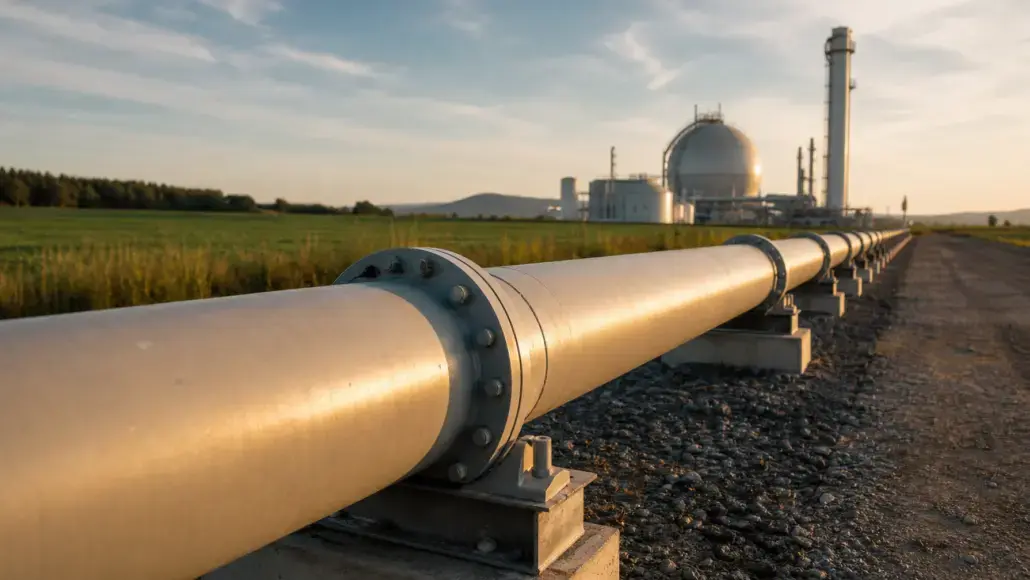

The expansion of hydrogen energy depends on the long term reliability of the physical assets used for its transport. As the industry scales, the primary threat to the longevity of these systems is the interaction between hydrogen atoms and the metal alloys that make up the pipeline infrastructure. Hydrogen embrittlement is a complex phenomenon where small hydrogen atoms diffuse into the crystal lattice of steel, leading to a significant loss in ductility and fracture toughness. This degradation can cause sudden, catastrophic failures even under stress levels that would be considered safe for natural gas. Understanding and managing this risk is a fundamental requirement for the safe operation of high pressure hydrogen networks across the globe. The industry must adopt a proactive stance on material integrity to ensure the long term success of the hydrogen transition.
Preventing material failure requires a multi disciplinary approach that combines advanced metallurgy, surface chemistry, and real time monitoring. The susceptibility of a pipeline to embrittlement depends on several factors, including the specific chemical composition of the steel, the presence of internal defects, and the operational pressure cycles of the gas. As demand for green hydrogen increases, operators must evaluate their existing assets and design new systems that are specifically tailored to resist the unique stresses of hydrogen service. By implementing rigorous safety protocols and material standards, the industry can ensure that the transition to a low carbon energy carrier does not compromise public safety or environmental integrity. The protection of these critical assets is a top priority for midstream providers.
Atomic Mechanisms of Hydrogen Permeation in Steel
Hydrogen embrittlement begins at the atomic level, where molecular hydrogen dissociates into individual atoms on the inner surface of the pipe. These atoms, due to their extremely small size, can easily penetrate the grain boundaries and interstitial sites of the steel lattice. Once inside, they tend to accumulate at areas of high stress, such as weld zones, micro cracks, or inclusions within the metal. This accumulation creates internal pressure and disrupts the atomic bonds, making the material more prone to cracking. The rate of this diffusion is influenced by the partial pressure of the hydrogen and the temperature of the gas, with higher pressures generally accelerating the process. The microscopic nature of this interaction makes it difficult to detect with traditional inspection methods.
The specific mechanism of failure can vary depending on the type of steel used. In some cases, the hydrogen atoms promote the movement of dislocations, leading to localized plastic deformation and subsequent cracking. In other scenarios, the hydrogen reduces the cohesive strength of the atomic bonds, causing the material to snap in a brittle fashion. This unpredictability makes it difficult to use traditional safety factors when designing pipeline infrastructure for hydrogen service. Engineers must instead rely on fracture mechanics and specialized testing protocols, such as slow strain rate testing in a high pressure hydrogen environment, to accurately predict how a specific batch of steel will behave over decades of operation. The use of electron microscopy and other advanced imaging techniques is essential for understanding these atomic level changes.
Influence of Pressure Cycling on Fatigue Crack Growth
Unlike natural gas pipelines, which often operate at relatively stable pressures, hydrogen systems may experience more frequent and severe pressure fluctuations. This is particularly true for networks connected to variable renewable energy sources like wind and solar, where production varies throughout the day. These cycles of loading and unloading can accelerate the growth of existing micro cracks through a process known as hydrogen assisted fatigue. When the pipe is under high pressure, hydrogen atoms are driven into the crack tip, where they weaken the material just before the next cycle of stress occurs. Over time, these microscopic defects can grow into large, dangerous fractures. The frequency of these cycles is a major factor in determining the remaining life of the asset.
Managing fatigue requires a shift in how operators manage their assets. Standard inspection intervals that were sufficient for natural gas may be inadequate for hydrogen service. High resolution inline inspection tools, such as ultrasonic or magnetic flux leakage pigs, must be used more frequently to detect crack growth at its earliest stages. Additionally, addressing hydrogen embrittlement risks in pipeline infrastructure involves implementing pressure control strategies that minimize the severity of cycles. By smoothing out the flow and maintaining a more consistent operating pressure, operators can significantly extend the fatigue life of their steel assets. This data driven approach to pressure management is essential for maintaining the integrity of the network as it becomes a critical component of the national energy grid. The use of real time sensors can provide the necessary data to optimize these operating conditions.
Advanced Coating Solutions and Surface Treatments
One of the most promising ways to mitigate embrittlement is to prevent hydrogen atoms from entering the steel in the first place. This can be achieved through the application of internal coatings that act as a permeation barrier. These coatings, which can be made from specialized polymers, ceramics, or metallic thin films, must be able to adhere to the pipe surface under high pressure and withstand the friction of passing gas. A successful barrier must be nearly flawless, as even a tiny pinhole can allow hydrogen to bypass the protection and attack the underlying metal. Research is currently focused on developing self healing coatings that can repair minor damage automatically during operation. The durability of these coatings over several decades is a key area of ongoing study.
In addition to coatings, surface treatments such as shot peening or nitriding can be used to create a layer of compressive stress on the inner surface of the pipe. This compressive layer makes it much harder for cracks to initiate and propagate, providing an extra level of protection against embrittlement. For new pipeline infrastructure, selecting the right alloy is the first line of defense. Steels with a lower carbon content and a more refined grain structure are generally more resistant to hydrogen damage. However, these high performance alloys are more expensive and may require specialized welding techniques to maintain their properties across joints. This proactive approach is particularly important when repurposing natural gas pipelines for hydrogen transportation, as legacy defects may be aggravated by hydrogen exposure. The choice between retrofitting and replacement is a complex decision involving both technical and financial factors.
Regulatory Standards and Asset Integrity Management
The unique risks of hydrogen require a dedicated set of regulatory standards that go beyond existing gas codes. Organizations like the American Society of Mechanical Engineers and the International Organization for Standardization are continuously updating their guidelines for hydrogen pipelines to reflect the latest research in material science. These standards dictate everything from the allowable chemical composition of the steel to the specific methods used for non destructive testing. Compliance with these rules is not just a legal requirement but a fundamental pillar of risk management for pipeline operators. The harmonization of these standards across international borders is essential for the growth of the global hydrogen trade.
Asset integrity management for hydrogen systems involves the creation of a digital twin for each pipeline. These digital models incorporate real time data from sensors measuring pressure, temperature, and gas composition, as well as historical data from inspections. By using machine learning algorithms to analyze this data, operators can predict the remaining useful life of each segment of the pipe and schedule maintenance before a failure occurs. This proactive approach is necessary for maintaining the high reliability levels expected by industrial customers. A stable regulatory framework ensures that all operators follow these best practices, maintaining a high level of safety across the entire national infrastructure. The use of automated reporting and monitoring systems will become the standard for the industry in the coming years.
Future Research Directions in Hydrogen Metallurgy
Despite decades of study, there is still much to learn about the long term effects of hydrogen on modern steel alloys. Current research is investigating the role of trace elements and impurities in the embrittlement process. For example, small amounts of sulfur or phosphorus can significantly increase a material’s susceptibility to hydrogen damage. Scientists are also exploring the use of hydrogen traps,deliberate inclusions in the steel that can capture hydrogen atoms and prevent them from reaching critical stress points. These advanced metallurgical techniques could lead to a new generation of steels that are virtually immune to embrittlement. The collaboration between universities and industrial partners is key to accelerating these breakthroughs.
Another area of active research is the impact of hydrogen on non metallic components, such as the seals and gaskets used in valves and compressors. While the focus is often on the steel pipes, a failure in a small seal can be just as dangerous. Understanding how hydrogen causes polymers to swell or degrade is essential for the overall safety of the pipeline infrastructure. As the industry moves toward higher pressures and larger volumes, the need for continued investment in material science research remains high. By solving these technical challenges today, the global energy sector can build a hydrogen economy that is both sustainable and exceptionally safe for the long term. The knowledge gained from these studies will benefit the entire engineering community and support the transition to a cleaner energy future.